






What's Happening?
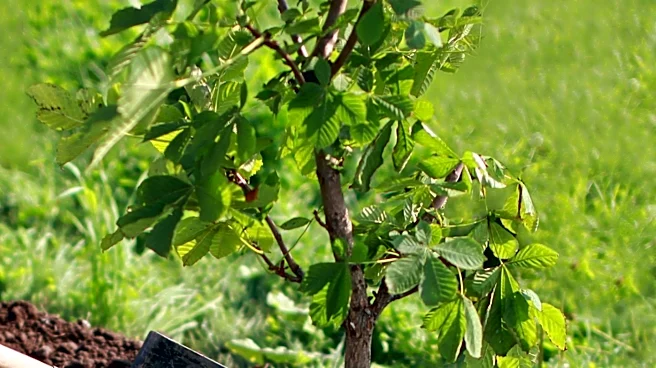
The Santa Margarita Water District (SMWD) in California is highlighting fall as the ideal season for planting water-wise and fire-wise landscapes. Cooler temperatures, shorter daylight hours, and seasonal rainfall during autumn create favorable conditions
for new plants to establish themselves, reducing heat stress and the need for excessive outdoor watering. When selecting plants, SMWD advises choosing varieties that are well-suited to the local climate and growing conditions, emphasizing the importance of considering a plant's mature size to ensure adequate growth space. Fire safety is also a critical component of landscape planning, with recommendations to avoid planting trees, woody shrubs, or hedges within five feet of a home or patio. Utilizing low-water-use drip irrigation is suggested to minimize overspray near home foundations and stucco. Additionally, pruning at the end of summer involves trimming trees at least five feet from homes and ten feet from chimneys, removing dead or diseased branches, and limiting canopy removal to no more than 20 percent.
Why It's Important?
This initiative by the Santa Margarita Water District is significant for U.S. homeowners, particularly in drought-prone regions like California, as it promotes sustainable landscaping practices that conserve water and enhance fire safety. By encouraging planting in the fall, SMWD helps residents reduce their water consumption, which is crucial for managing water resources and mitigating the impacts of climate change. The focus on fire-wise landscaping directly addresses the increasing threat of wildfires, protecting homes and communities. Adopting these practices can lead to lower utility bills for homeowners and contribute to regional environmental resilience. Furthermore, the promotion of smart irrigation timers and rebates for water-efficient equipment incentivizes the adoption of advanced technologies, fostering a more efficient and responsible approach to residential and commercial landscaping across the U.S., especially in areas facing similar environmental challenges.
What's Next?
As daylight saving time ends and outdoor daylight decreases, residents are advised to adjust their irrigation schedules accordingly. Cooler weather also presents an opportune time for general landscape maintenance and winter preparation. SMWD encourages the use of smart irrigation timers, which automatically adjust watering schedules based on local weather and landscape information, including temperature, rainfall, and soil moisture. Rebates may be available for qualifying water-efficient irrigation equipment, providing a financial incentive for adoption. The district also points to October as Water Professionals Appreciation Week, recognizing the essential work of those who deliver safe, reliable water and protect infrastructure. Residents can explore climate-friendly garden styles, design guidelines, and fire-wise templates on the SMWD website, along with information on upcoming planting and irrigation classes.
Beyond the Headlines
The emphasis on water-wise and fire-wise landscaping reflects a broader societal shift towards ecological responsibility and adaptation to changing environmental conditions in the U.S. This approach moves beyond mere aesthetics, integrating practical considerations of resource conservation and disaster preparedness into everyday homeownership. It highlights the interconnectedness of individual actions and community-wide resilience, particularly in regions vulnerable to water scarcity and wildfires. The promotion of native and climate-appropriate plants also supports local biodiversity and reduces the ecological footprint of residential areas. This trend could lead to a redefinition of desirable landscape aesthetics, favoring sustainable, low-maintenance designs over traditional, water-intensive lawns. It also underscores the role of local water districts and public agencies in educating and empowering citizens to become active participants in environmental stewardship, fostering a culture of sustainability that extends beyond individual property lines.