


What's Happening?
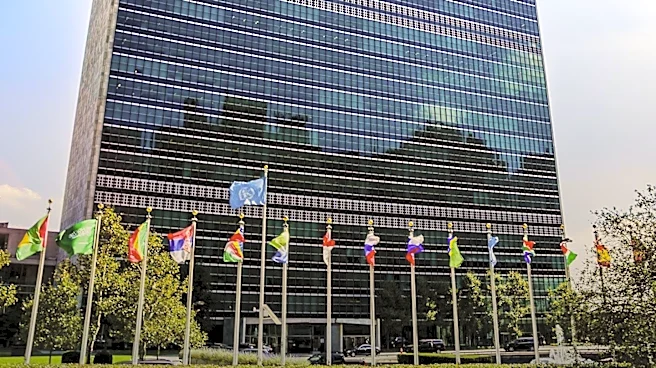
Azerbaijan and the United Nations Office of Counter-Terrorism (UNOCT) have engaged in discussions regarding the expansion of their cooperation and the potential for UNOCT to increase its presence within Azerbaijan. This development was announced following
a meeting on October 27 between Azerbaijani Foreign Minister Jeyhun Bayramov and Alexandre Zouev, the Acting Under-Secretary-General of the United Nations and Head of UNOCT. The discussions covered the current state and future prospects of their collaboration, emphasizing joint efforts against international terrorism. Both parties highlighted the significance of the 7th World Forum on Intercultural Dialogue, currently taking place in Baku, as a crucial international platform for addressing global challenges and fostering peace. The Baku Security Forum was also noted for its role in promoting cooperation against international terrorism and building trust in security matters. Plans to expand UNOCT's presence in Azerbaijan were also reviewed, with the aim of strengthening institutional cooperation and supporting global counter-terrorism initiatives.
Why It's Important?
This enhanced cooperation between Azerbaijan and UNOCT is significant for several reasons. It underscores Azerbaijan's commitment to combating international terrorism and its role as a partner in global security efforts. An expanded UNOCT presence in Azerbaijan could bolster the institutional framework for counter-terrorism initiatives in the region, potentially leading to more effective strategies and better coordination among international actors. This collaboration also highlights the importance of platforms like the World Forum on Intercultural Dialogue and the Baku Security Forum in fostering dialogue and cooperation on critical global issues. By strengthening ties with the UN's counter-terrorism arm, Azerbaijan aims to contribute more substantially to global peace and security, while also benefiting from UNOCT's expertise in coordinating international counter-terrorism efforts. This move could serve as a model for other nations seeking to enhance their capabilities and partnerships in the fight against terrorism.
What's Next?
The discussions between Azerbaijan and UNOCT are expected to lead to concrete plans for expanding cooperation and potentially increasing UNOCT's operational presence in Azerbaijan. This could involve developing new joint programs, sharing intelligence and best practices, and enhancing capacity-building initiatives within Azerbaijan's counter-terrorism framework. The ongoing 7th World Forum on Intercultural Dialogue and the Baku Security Forum will likely serve as platforms for further discussions and the solidification of these plans. Future engagements may also involve other member states and international partners, leveraging Azerbaijan's strategic location and its commitment to multilateral cooperation. The outcomes of these discussions could influence regional counter-terrorism strategies and potentially lead to new international initiatives aimed at addressing contemporary global security challenges.
Beyond the Headlines
Beyond the immediate implications of enhanced cooperation, this development reflects a broader trend of nations seeking to strengthen their partnerships with international bodies like the UN to address complex global threats. The emphasis on intercultural dialogue and security forums suggests a recognition that combating terrorism requires not only security measures but also efforts to promote mutual understanding and prevent radicalization. The potential expansion of UNOCT's presence in Azerbaijan could also signify a strategic shift in how international counter-terrorism efforts are geographically distributed, potentially increasing focus on regions where such partnerships can have a significant impact. This collaboration could also set a precedent for how UN specialized agencies engage with member states to build robust, localized capacities against global threats, fostering a more integrated and comprehensive approach to international security.