






What's Happening?
Senate Democrats are preparing to challenge a $1.8 billion fund established by President Trump, which they describe as a 'MAGA slush fund.' This fund was created as part of a resolution to a lawsuit against the Internal Revenue Service (IRS) and is intended
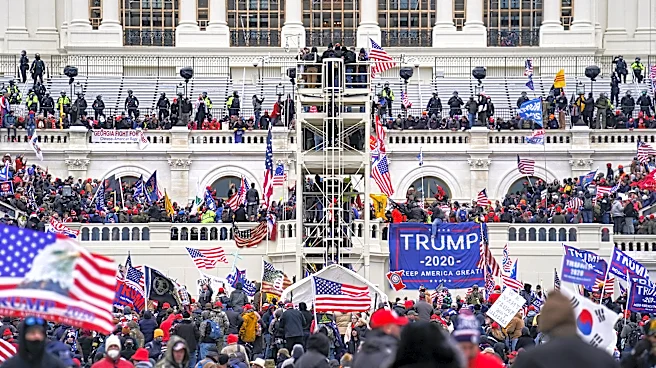
to compensate individuals allegedly targeted by politicized prosecutions. However, the fund has faced criticism for its lack of transparency and potential payouts to participants in the January 6 Capitol riot. Senate Minority Leader Chuck Schumer has labeled the fund as 'corruption in broad daylight' and has vowed to force a vote to block its payments. The fund's legality is currently under scrutiny, with a U.S. district judge temporarily blocking the administration from transferring money from it.
Why It's Important?
The controversy surrounding the fund highlights significant political and ethical concerns. If allowed to proceed, the fund could set a precedent for using government resources to compensate individuals involved in politically sensitive incidents, potentially undermining public trust in government accountability. The fund's lack of oversight and transparency raises questions about the potential misuse of taxpayer money. Additionally, the fund's association with the January 6 riot participants has sparked bipartisan criticism, indicating a rare point of agreement between Democrats and some Republicans. The outcome of this challenge could influence future government funding practices and the political landscape, particularly regarding accountability and transparency in government actions.
What's Next?
Senate Democrats plan to push for a vote to block the fund's payments and demand the preservation of records related to it. They are also calling for hearings to further investigate the fund's establishment and intended use. The legal battle over the fund is ongoing, with a temporary block in place by a federal judge. The administration may face increasing pressure from both political parties to reconsider or shut down the fund. The situation could lead to further legislative actions or legal challenges, depending on the administration's response and the outcome of the Senate's efforts.