



What's Happening?
Mian Kashif Ashfaq, Chief Executive Officer of the Pakistan Furniture Council (PFC), has emphasized the critical need for Pakistan to establish strategic oil and natural gas storage facilities. Speaking at a council meeting, Ashfaq stated that developing
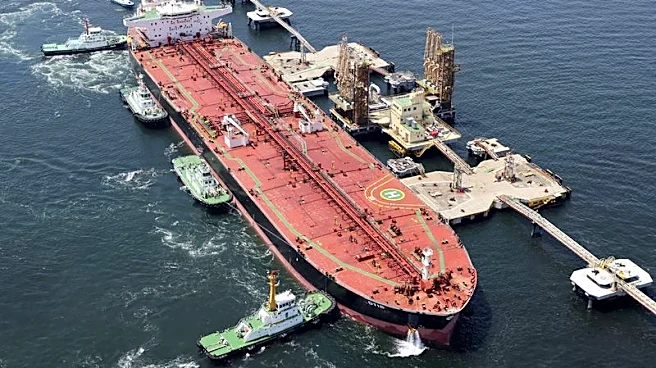
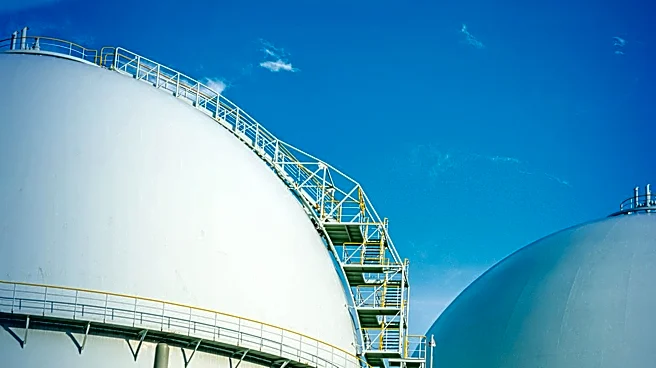
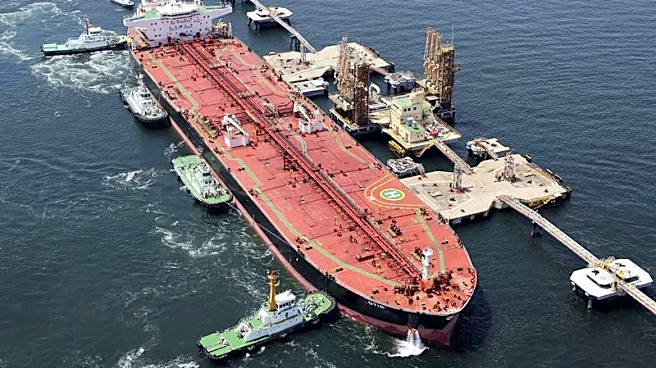
these reserves and underground gas storage infrastructure is an immediate national security requirement. He highlighted Pakistan's vulnerability, particularly after the closure of the Strait of Hormuz and QatarEnergy's declaration of force majeure, as the country relies almost entirely on Qatar for its LNG supply. Ashfaq noted that Pakistan had to seek Saudi Arabia's assistance for rerouting crude oil supplies through the Red Sea and had to release gas reserves due to inadequate storage. He suggested that the government should create clear regulatory frameworks and ensure commitments to encourage private-sector investment in these facilities, rather than solely relying on public funds. Establishing bonded storage hubs and expanding terminal capacity would allow Pakistan to maintain energy reserves for several months, absorb international market shocks, and ensure economic continuity.
Why It's Important?
The establishment of strategic oil and gas reserves is crucial for Pakistan's energy security and economic stability. The country's heavy reliance on imported LNG, primarily from Qatar, and its geographical proximity to volatile regions like the Middle East, expose it to significant supply chain risks. Disruptions, such as the closure of the Strait of Hormuz, can severely impact industrial operations and overall economic activity. By building substantial storage capacity, Pakistan can mitigate the effects of international market shocks, geopolitical tensions, and supply interruptions. This move would reduce the country's vulnerability to external energy price fluctuations and ensure a more stable energy supply for its industries, which are vital for economic growth and employment. Furthermore, attracting private investment through clear regulatory frameworks could stimulate economic activity and create new infrastructure development opportunities.
What's Next?
Following the PFC CEO's call, the Pakistani government may consider developing policies and incentives to encourage investment in strategic oil and gas storage. This could involve creating a dedicated task force to assess the feasibility and requirements for such infrastructure. Potential next steps include drafting regulatory frameworks, offering tax incentives, and streamlining licensing processes to attract both domestic and international private sector players. The government might also engage in diplomatic efforts to secure long-term energy supply agreements and diversify its energy sources. Additionally, there could be increased collaboration between government bodies, industry stakeholders, and international partners to fund and implement these large-scale infrastructure projects, aiming to build resilience against future energy crises and geopolitical uncertainties.
Beyond the Headlines
The push for strategic energy reserves in Pakistan reflects a broader global trend among nations to enhance energy security in an increasingly unpredictable geopolitical landscape. Beyond immediate economic benefits, such infrastructure can serve as a strategic asset, bolstering national resilience and reducing foreign policy vulnerabilities tied to energy dependence. The emphasis on private sector involvement also signals a potential shift in how large-scale national infrastructure projects are financed and managed, moving towards public-private partnerships. This approach could foster innovation and efficiency but also requires robust oversight to ensure transparency and equitable benefits. The long-term implications include a more stable industrial base, reduced inflationary pressures from energy price volatility, and enhanced national security, allowing Pakistan greater autonomy in its foreign relations.