
What's Happening?
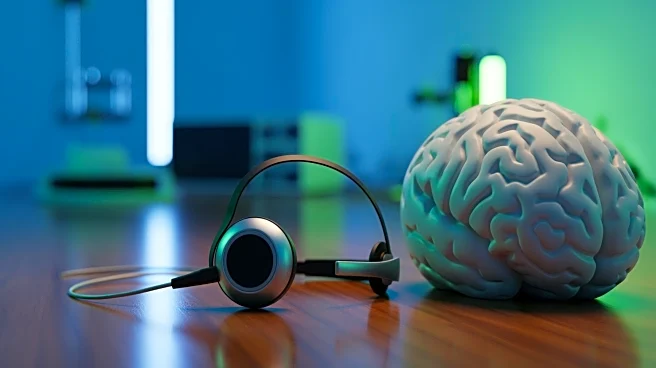
A recent study published in Nature explores the use of resting-state EEG as a dual biomarker for assessing motor-cognitive function in elderly individuals. The research involved 104 participants aged between
57 and 84, who were evaluated for cognitive decline and physical impairment. The study aimed to identify EEG differences based on motor-cognitive performance, classifying participants into four groups: cognitively and physically normal, cognitively impaired but physically normal, cognitively normal but physically impaired, and both cognitively and physically impaired. EEG data were recorded and analyzed to assess spectral features and functional connectivity across different frequency bands. The study found significant differences in EEG features related to motor and cognitive performance, suggesting potential applications in monitoring and diagnosing age-related cognitive and motor decline.
Why It's Important?
This study is significant as it provides insights into non-invasive methods for assessing cognitive and motor functions in the elderly, a growing demographic in the U.S. The use of EEG biomarkers could lead to earlier detection and intervention for cognitive and motor impairments, potentially improving quality of life and reducing healthcare costs. The findings could influence public health strategies and policies aimed at addressing the needs of an aging population. Additionally, the research highlights the importance of integrating cognitive and motor assessments in clinical settings, which could enhance personalized treatment plans and improve patient outcomes.
What's Next?
Future research may focus on refining EEG-based diagnostic tools and exploring their integration into routine clinical practice. There is potential for developing targeted interventions based on EEG findings to slow or reverse cognitive and motor decline. Collaboration between researchers, healthcare providers, and policymakers will be crucial in translating these findings into practical applications. Further studies could also explore the use of EEG biomarkers in other populations, such as those with neurological disorders, to expand the scope of this research.