




What's Happening?
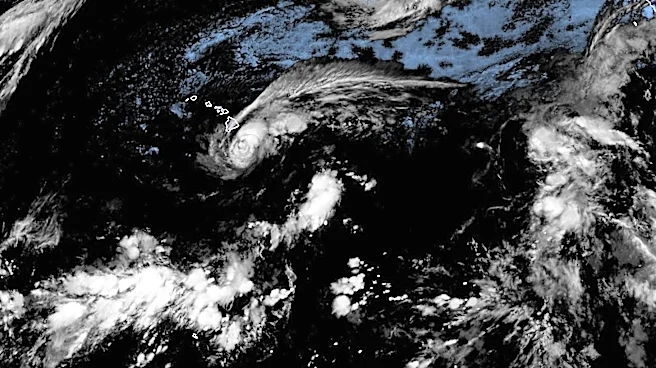
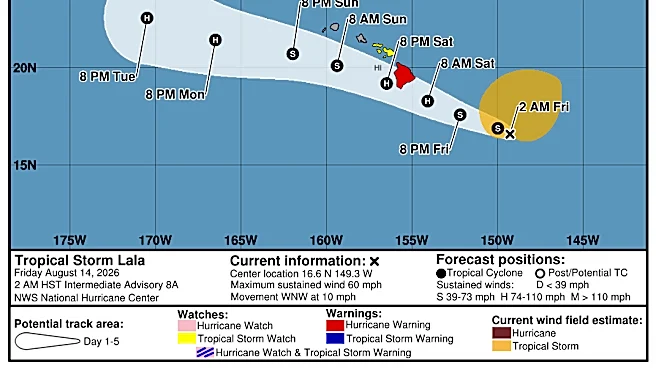
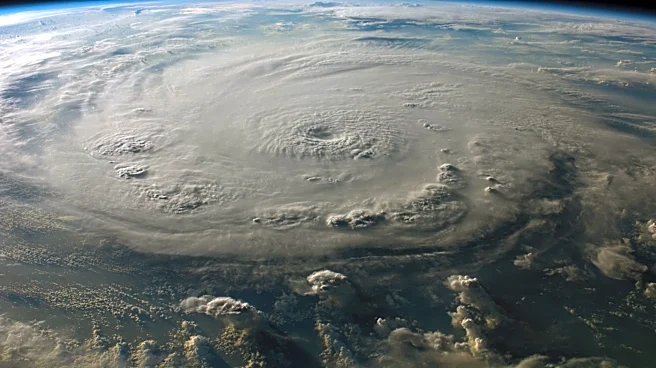
The City and County of Honolulu is implementing extensive emergency measures in anticipation of severe weather from Tropical Storm Lala. On Saturday, August 15, 2026, at 8 a.m., eight hurricane refuge areas will be opened across the island. These designated
safe zones include Blanche Pope Elementary School, Castle High School, Kahuku Elementary School, Kapolei High School, Mililani High School, Moanalua High School, Nānākuli Elementary, and Roosevelt High School. These facilities are intended to provide temporary protection for residents and visitors requiring shelter during the storm. Officials have advised individuals utilizing these refuges to bring essential supplies such as food, water, and medications. All refuge locations are pet-friendly, with the stipulation that pets must be leashed or secured in carriers, and owners are responsible for their animals' care and supplies. The operation of these refuge areas is a collaborative effort between the City and County of Honolulu departments and the American Red Cross. Furthermore, TheBus will offer free evacuation services from affected areas where conditions permit, with buses clearly marked for evacuation and no fare required. Animals are allowed on these buses if they can be safely secured. In a specific measure, 63 residents of the Homeless Outreach and Navigation for the Unsheltered (H.O.N.U.) program are being temporarily relocated to the Kapolei High School gymnasium to ensure their safety. Following their relocation, tents and equipment at the H.O.N.U. site will be dismantled and secured until weather conditions improve. City officials are urging the public to continuously monitor weather updates and official advisories throughout the weekend, and to sign up for HNL Alert for urgent notifications.
Why It's Important?
The proactive and comprehensive emergency response by the City and County of Honolulu underscores the critical importance of robust disaster preparedness in regions vulnerable to tropical storms. By opening eight hurricane refuge areas, the city aims to provide widespread access to safety, mitigating potential risks to life and property. This multi-location strategy ensures that a broad segment of the population, including those in various communities, can find secure shelter. The explicit inclusion of pet-friendly policies in these refuges is a significant development, acknowledging the strong bond between people and their animals and addressing a common barrier to evacuation compliance. Many individuals are reluctant to leave their homes if they cannot bring their pets, and this policy helps ensure more widespread adherence to safety directives. The provision of free bus evacuation services is equally vital, removing transportation as a potential obstacle for residents who may not have personal vehicles or other means to reach a safe location. This measure promotes equitable access to emergency services, ensuring that vulnerable populations are not left behind. The specific relocation of the 63 H.O.N.U. program residents highlights a crucial aspect of modern disaster planning: protecting the most vulnerable members of society. Homeless individuals often lack the resources and infrastructure to withstand severe weather, making targeted interventions like this essential for their safety and well-being. These combined efforts demonstrate a commitment to community resilience and a coordinated approach to managing the impacts of natural disasters, reflecting a learned response to the increasing frequency and intensity of such events.
What's Next?
As Tropical Storm Lala approaches, the immediate next steps involve the full activation and operation of the eight hurricane refuge areas across Honolulu, which commenced at 8 a.m. on Saturday, August 15. These shelters will remain open for the duration of the severe weather event, with officials continuously assessing conditions to determine when it is safe for residents to return home. The 63 individuals from the Homeless Outreach and Navigation for the Unsheltered (H.O.N.U.) program are scheduled to be transported to the Kapolei High School gymnasium on Saturday morning, where they will be provided a safe indoor environment. Concurrently, their temporary living site will be secured, with tents and equipment taken down to prevent damage from the storm. TheBus will continue to provide free evacuation services as long as conditions allow, prioritizing the safe transport of individuals from affected areas to the designated shelters. City officials will maintain a vigilant watch on the storm's trajectory and intensity, disseminating real-time updates and instructions through official channels, including the HNL Alert system. Residents and visitors are strongly advised to heed these advisories, remain sheltered, and avoid unnecessary travel until the all-clear is given. Following the storm's passage and once conditions are deemed safe, efforts will shift towards assessing any damage, restoring services, and facilitating the return of evacuees, including the re-establishment of the H.O.N.U. site. The partnership between the City and County of Honolulu and the American Red Cross will be crucial in managing the ongoing needs within the refuge areas and coordinating post-storm recovery efforts.
Beyond the Headlines
The extensive preparations undertaken by the City and County of Honolulu for Tropical Storm Lala extend beyond immediate safety measures, reflecting deeper societal and environmental implications. This level of coordinated response, involving multiple government agencies and non-profit organizations like the American Red Cross, underscores a growing recognition of the need for robust, multi-faceted disaster management strategies in an era of increasing climate volatility. The emphasis on pet-friendly shelters and free public transportation for evacuations highlights an evolving understanding of public needs during crises. These policies address practical barriers and emotional attachments that often complicate evacuation efforts, demonstrating a more empathetic and inclusive approach to emergency planning. Furthermore, the specific attention given to the H.O.N.U. program residents brings to light the disproportionate impact of natural disasters on vulnerable populations. It prompts a broader discussion about long-term solutions for homelessness and how to integrate these populations more effectively into community-wide disaster preparedness frameworks, ensuring no one is left behind. The use of public schools as primary refuge centers also reinforces their role as essential community infrastructure, capable of serving critical functions beyond education during emergencies. This dual-purpose utility requires ongoing investment and planning to ensure these facilities are adequately equipped and maintained for both daily operations and crisis response. Ultimately, Honolulu's actions serve as a case study in urban resilience, showcasing how a community can mobilize its resources to protect its citizens and adapt to the challenges posed by a changing climate, fostering a culture of preparedness and collective responsibility.