


What's Happening?
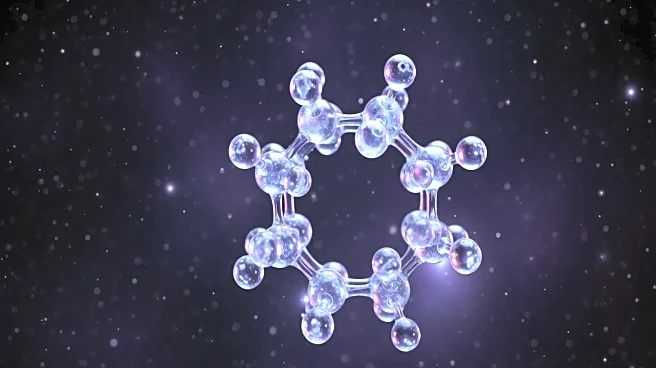
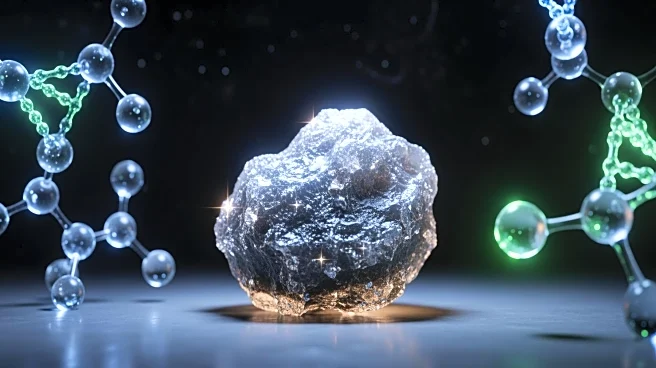
Scientists have identified all five canonical nucleobases—adenine, cytosine, guanine, thymine, and uracil—in samples from the asteroid Ryugu. These nucleobases are essential components of DNA and RNA, which encode and transmit biological information.
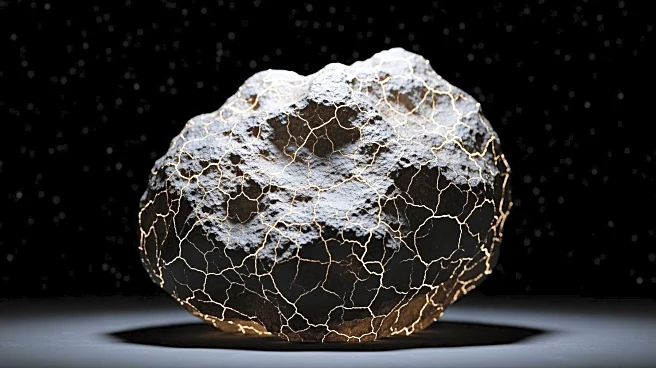
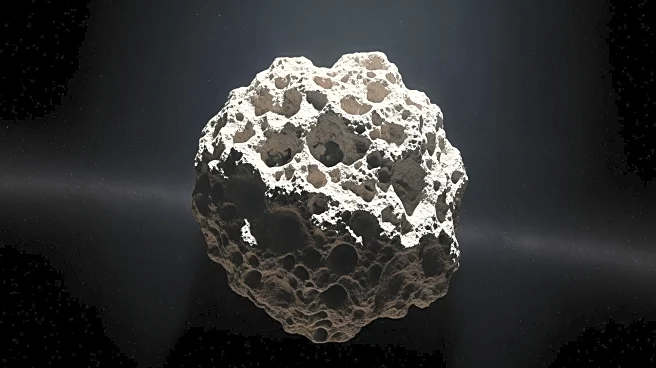
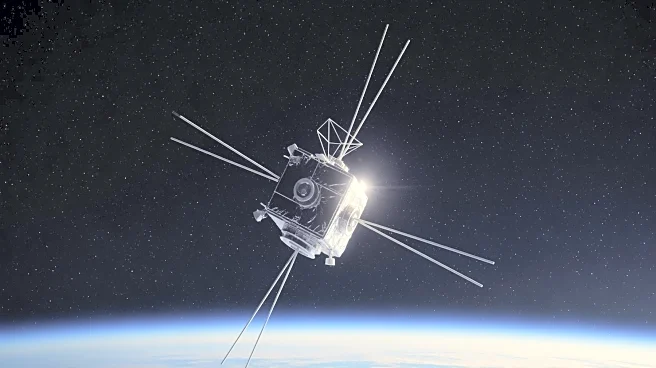
The samples were collected by the Japan Aerospace Exploration Agency's Hayabusa2 mission, which retrieved material from Ryugu in 2020. This discovery marks the most comprehensive detection of these compounds in extraterrestrial samples to date. The presence of these nucleobases in Ryugu, as well as in samples from asteroid Bennu collected by NASA's OSIRIS-REx mission, suggests that such biologically relevant molecules are not unique to Earth. The findings indicate that carbonaceous asteroids may have contributed to the prebiotic chemical inventory of early Earth, potentially enriching it with molecular precursors relevant to the emergence of life.
Why It's Important?
The discovery of all five nucleobases in asteroid samples supports the hypothesis that essential components of life are widespread in the universe. This finding has significant implications for our understanding of the origins of life on Earth, suggesting that organic molecules necessary for life could have been delivered to Earth via asteroid impacts. The presence of these compounds in multiple asteroids also highlights the potential for similar processes to occur elsewhere in the universe, raising the possibility of life beyond Earth. This research contributes to the broader scientific effort to trace the chemical evolution of the solar system and understand the conditions that may lead to the emergence of life.