




What's Happening?
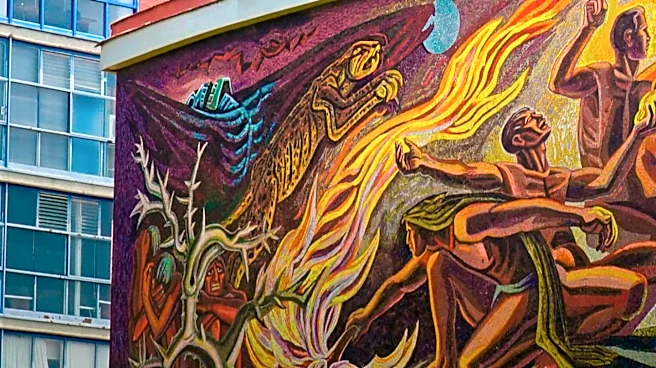
U.S. Congresswoman Dina Titus, alongside Congressman Lloyd Doggett, has introduced the Protecting Resources and Ensuring Stewardship of Enduring Records of Visual Expression (PRESERVE) Act. This legislation aims to safeguard publicly commissioned art
in federal buildings from being lost during demolitions. The bill responds to the Trump Administration's plans to demolish four historic federal buildings in Washington, D.C., which house significant New Deal-era murals and frescoes. Representative Titus emphasized the importance of preserving these artworks as part of the national heritage, ensuring public access to the 26,000 works of art displayed in federal buildings and museums across the country. The legislation must pass several committees before it can be voted on in Congress.
Why It's Important?
The introduction of the PRESERVE Act highlights the ongoing debate over the preservation of cultural heritage versus urban development. The potential demolition of historic buildings poses a threat to the preservation of significant artworks, which are considered vital parts of American history and culture. By protecting these artworks, the legislation seeks to maintain public access to national treasures, ensuring they are preserved for future generations. This move could set a precedent for how federal properties and their contents are managed, potentially influencing future policies on cultural preservation and urban development.
What's Next?
The PRESERVE Act will need to navigate through several congressional committees before it can be brought to a vote. If passed, it could lead to the establishment of formal processes for protecting public art in federal buildings. The outcome of this legislation may also influence future decisions regarding the management and preservation of federal properties. Stakeholders, including cultural preservationists and urban developers, will likely continue to engage in discussions about the balance between development and heritage conservation.