






What's Happening?
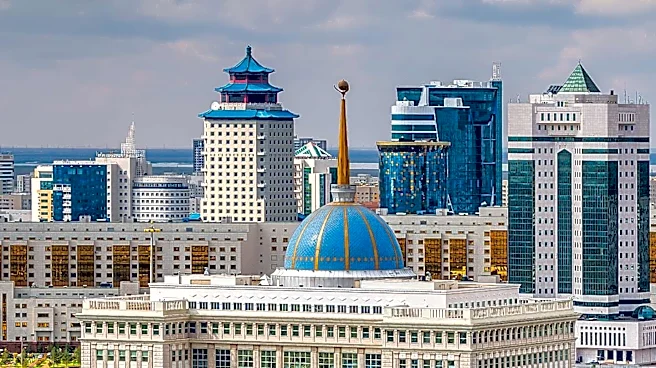
Kazakhstan has implemented significant updates to its remote work regulations and digital nomad pathways, aiming to position itself as an entrepreneur-friendly destination in Eurasia. These reforms, accelerated in 2025-2026, provide clear legal frameworks
for remote work and offer long-term residency options for foreign talent and remote-first companies. The country's Labor Code now formally recognizes remote work, requiring written contracts, defined working hours, equipment rules, and right-to-disconnect protections. Additionally, Kazakhstan offers two main digital nomad pathways: the Neo Nomad Visa (B12-1) for remote entrepreneurs earning foreign income, allowing a one-year stay renewable up to four years, and the Digital Nomad Residency (DNR) for IT professionals and tech entrepreneurs, offering up to 10 years of residency with no income requirement, approved via Astana Hub. These policies are designed to help entrepreneurs build compliant teams and scale long-term business growth.
Why It's Important?
These new policies are important because they provide a stable and legally clear environment for international entrepreneurs and remote workers, contrasting with many countries where digital nomad visas are often ad-hoc or temporary. By formalizing remote work in its Labor Code and offering long-term residency, Kazakhstan reduces legal risks for businesses looking to hire remote employees within the country. This move could attract a significant influx of tech talent and entrepreneurial ventures, fostering a more dynamic and innovative economy. For U.S. entrepreneurs and remote workers, Kazakhstan presents an attractive alternative for establishing a base with lower operational costs and a growing tech ecosystem, potentially influencing global talent migration patterns and business location strategies. The clarity in regulations also sets a precedent for other nations considering similar initiatives to attract digital nomads and remote-first companies.
What's Next?
Entrepreneurs and remote-first companies interested in Kazakhstan will need to choose the appropriate visa pathway based on their income, professional background, and long-term goals. They will also need to ensure their employment contracts comply with Kazakhstan's updated Labor Code requirements, including defined working hours, equipment compensation, and right-to-disconnect policies. The country's digital government systems, such as egov.kz and Astana Hub's online portals, are expected to streamline application and business setup processes. Kazakhstan's proactive approach may encourage other countries to develop more robust and long-term remote work and digital nomad policies, intensifying global competition for skilled talent and innovative businesses. The success of these policies will likely be monitored as a model for economic diversification and growth through attracting a global remote workforce.
Beyond the Headlines
Beyond the immediate economic benefits, Kazakhstan's embrace of remote work and digital nomads signifies a strategic shift towards a knowledge-based economy and greater integration into the global digital landscape. This move could lead to significant cultural and social changes within Kazakhstan, as a more diverse international population settles in the country. The emphasis on legal clarity and long-term residency also addresses a common concern among digital nomads about the transient nature of many visa programs, offering a sense of stability and belonging. This could foster deeper community engagement and investment from foreign residents. Furthermore, by creating a robust legal framework, Kazakhstan is setting a standard that could influence international labor laws and digital governance, potentially leading to a more harmonized global approach to remote work and cross-border employment.