





What's Happening?
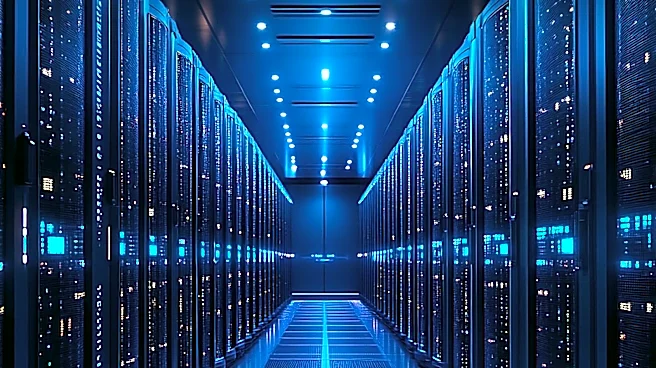
U.S. data centers are drawing increasing attention due to their significant and growing consumption of electricity and water. In 2024, these facilities accounted for approximately 4.7% of the nation’s electricity usage, a figure projected to rise to nearly
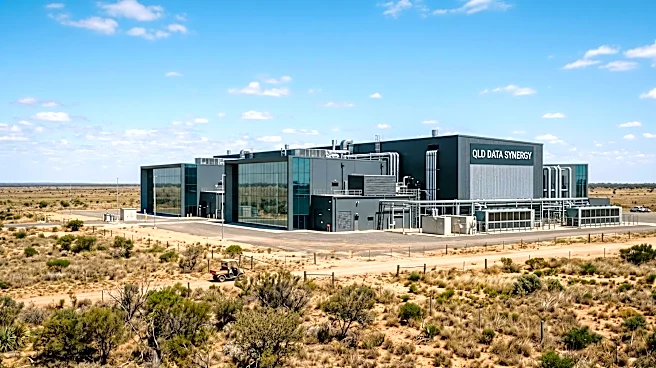
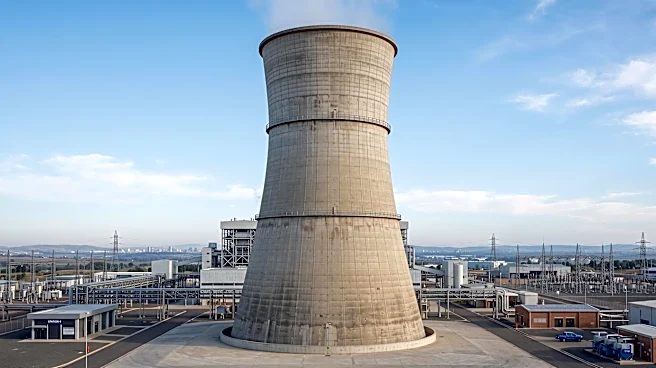
12% by 2030, according to the Lawrence Berkeley National Laboratory. This surge is largely driven by the rapid expansion of artificial intelligence technologies. Beyond electricity, data centers also demand substantial water resources, primarily for cooling purposes. In 2023, American data centers directly consumed an estimated 17 billion gallons of water, a threefold increase from 2014. While some modern facilities, like a proposed QTS data center in Clinton, Iowa, are adopting closed-loop cooling systems to minimize water consumption, the overall trend indicates a significant environmental footprint. The generation of electricity for these centers also contributes to water usage, often at power plants located far from the data centers themselves. Communities are beginning to weigh the economic benefits of these facilities against their environmental costs, leading to discussions about new zoning regulations and environmental standards.
Why It's Important?
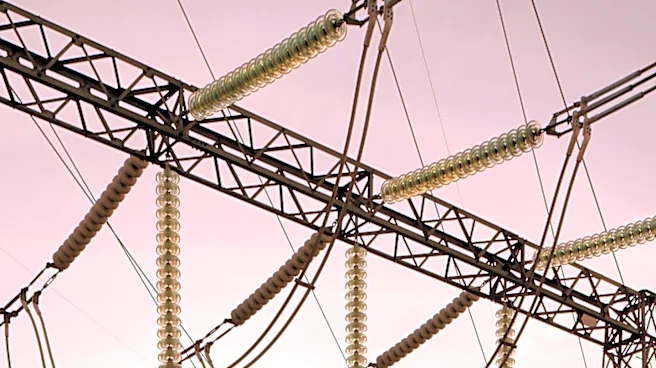
The escalating energy and water demands of U.S. data centers have significant implications for national infrastructure, environmental sustainability, and local communities. The projected increase in electricity consumption to nearly 12% by 2030 could strain existing power grids, potentially necessitating the construction of new power plants and transmission infrastructure. If this additional electricity is sourced from fossil fuels, it would lead to a substantial increase in carbon emissions, hindering climate change mitigation efforts. The massive water consumption, particularly for evaporative cooling, raises concerns about water scarcity and availability for local communities, especially in regions already facing water stress. The environmental impact extends beyond direct consumption to include wastewater from certain cooling systems, pollution from backup generators, and the ecological cost of manufacturing computer equipment. This situation creates a critical challenge for policymakers and industry leaders to balance technological advancement with responsible resource management, impacting energy policy, water conservation strategies, and urban planning across the nation.
What's Next?
Communities across the U.S. are beginning to address the environmental impact of data centers through policy and regulatory changes. For instance, Clinton, Iowa, is considering new zoning regulations that would include environmental standards for data centers. This trend suggests that more localities may implement stricter requirements regarding energy efficiency, water conservation, and emissions for new and existing data center developments. The industry itself is also exploring technological solutions, such as closed-loop cooling systems, to mitigate environmental impacts. However, these solutions do not eliminate all concerns, as the electricity generation for these facilities still carries a water footprint. Future developments will likely involve a continued push for more sustainable data center designs, increased investment in renewable energy sources to power these facilities, and ongoing dialogue between technology companies, local governments, and environmental groups to find a balance between economic growth and ecological preservation. The debate will likely intensify as AI continues to drive demand for data processing, making the responsible siting and operation of data centers a critical issue.
Beyond the Headlines
The rapid growth of data centers, fueled by the artificial intelligence boom, highlights a deeper societal challenge: the hidden environmental costs of our increasingly digital world. While AI offers transformative benefits, its infrastructure demands expose vulnerabilities in our energy and water systems. This situation raises ethical questions about equitable resource distribution, particularly water, as communities grapple with the trade-offs between economic development and environmental preservation. The reliance on data centers also underscores the need for a holistic approach to sustainability, where technological innovation is coupled with robust environmental stewardship. It challenges the notion that digital services are inherently 'green,' revealing a complex web of resource dependencies. Furthermore, the debate could accelerate the development of more energy-efficient computing paradigms and advanced cooling technologies, pushing the boundaries of sustainable engineering. Ultimately, how the U.S. addresses the environmental footprint of its data centers will set a precedent for managing the ecological impact of future technological advancements.