





What's Happening?
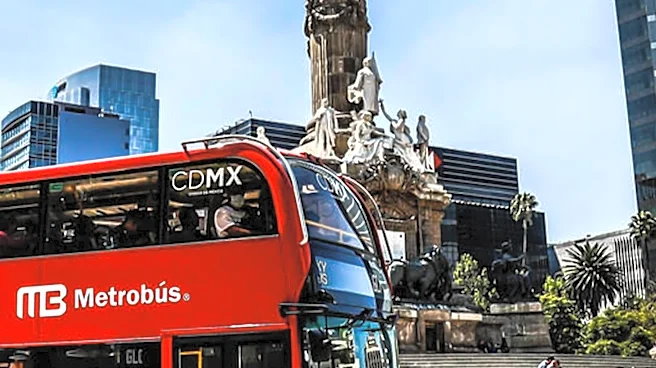
Mexico City is currently experiencing a significant tourism boom, particularly during its Día de Muertos celebrations. The city has also secured major international events, including hosting the 2026 World Cup and maintaining a contract for the Mexico City Grand
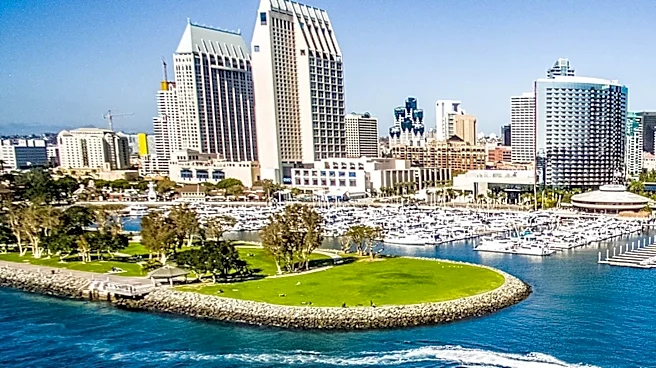
Prix until at least 2028. This influx of tourism and high-profile events is contributing to the city's global recognition and economic activity. Furthermore, a 20-year delegation from San Diego has been actively engaged with Mexico City, focusing on addressing pollution and expanding trade relations, indicating a sustained effort towards bilateral cooperation and urban development.
Why It's Important?
The sustained tourism boom and the hosting of major international events like the World Cup and Grand Prix signify Mexico City's growing prominence on the global stage. For the U.S., this increased activity in a neighboring capital can have several implications. Enhanced trade relations, fostered by initiatives like the San Diego delegation, could lead to economic benefits for both countries, potentially increasing cross-border business opportunities and investment. The focus on addressing pollution also highlights a shared environmental concern that could lead to collaborative efforts and the exchange of sustainable practices. The success of Mexico City as a tourist destination and event host could also influence travel patterns and cultural exchange between the U.S. and Mexico, strengthening bilateral ties.
What's Next?
Looking ahead, Mexico City is poised to continue its trajectory as a major international hub. The upcoming 2026 World Cup will undoubtedly bring a massive influx of visitors and global attention, further boosting its tourism sector and infrastructure development. The ongoing commitment to the Mexico City Grand Prix until at least 2028 ensures a consistent stream of high-profile sporting events. The continued engagement of the San Diego delegation suggests that efforts to address pollution and expand trade will persist, potentially leading to new joint projects and policy initiatives. These developments indicate a sustained period of growth and international engagement for Mexico City, with potential for increased economic and cultural exchange with the U.S.
Beyond the Headlines
Beyond the immediate economic and event-related impacts, Mexico City's rise as a global destination carries deeper implications. The city's ability to attract and successfully host events of this magnitude reflects its evolving infrastructure, cultural richness, and capacity for large-scale organization. This transformation could inspire other major urban centers in Latin America and beyond to invest in similar strategies for urban development and international engagement. The focus on addressing pollution, particularly through international collaborations, underscores a growing global awareness of environmental challenges and the need for cross-border solutions. This sustained growth and international collaboration could also foster a more nuanced understanding of Mexico City's cultural and societal dynamics, moving beyond traditional perceptions and highlighting its modernity and dynamism.