


What's Happening?
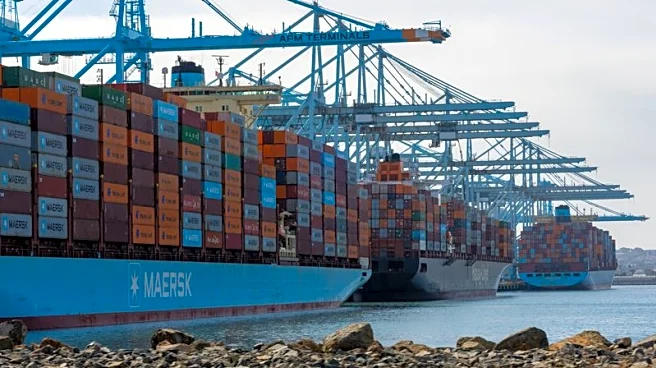
A coalition of two dozen state attorneys general has filed a lawsuit against President Trump, aiming to block the implementation of a new 10 percent global tax on imports. This legal action is part of a broader response to the president's recent decision
to revive steep tariffs, which he argues are necessary to protect American industries. The lawsuit contends that these tariffs are unlawful and could have detrimental effects on the economy. The attorneys general argue that the tariffs could lead to increased costs for consumers and businesses, potentially harming economic growth. This legal challenge is one of several issues highlighted in a recent roundup of appellate litigation news.
Why It's Important?
The lawsuit against President Trump's tariffs is significant as it underscores the ongoing tension between state governments and the federal administration over trade policies. The outcome of this legal battle could have far-reaching implications for U.S. trade relations and economic policy. If the courts side with the states, it could limit the president's ability to unilaterally impose tariffs, potentially leading to a shift in how trade policies are enacted. This case also highlights the broader debate over the balance of power between state and federal governments, particularly in areas affecting the national economy.
What's Next?
The legal proceedings will likely involve extensive arguments from both sides, with the potential for appeals that could reach the Supreme Court. The decision could set a precedent for future trade policy disputes. Meanwhile, businesses and consumers may face uncertainty as they await the outcome, which could influence market conditions and economic forecasts. Stakeholders, including industry groups and trade organizations, are expected to closely monitor the case, potentially lobbying for legislative changes depending on the court's ruling.