


What's Happening?
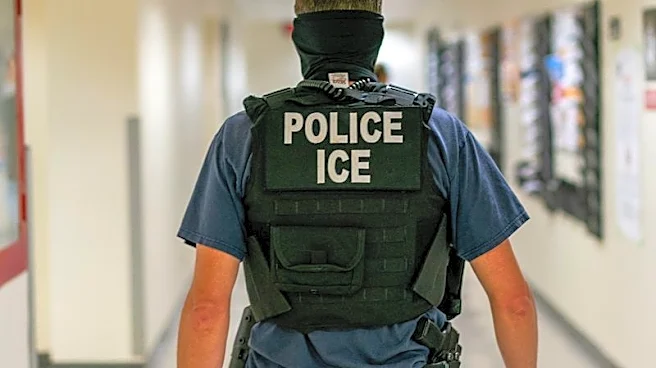
A group of Pennsylvania representatives, led by Congressman Chris Deluzio (PA-17), has introduced the 'Oversight Access Act of 2026'. This proposed legislation aims to enhance congressional oversight at U.S. Immigration and Customs Enforcement (ICE) facilities
nationwide. The bill would permit members of Congress to bring one staff member, such as an interpreter, legal advisor, or policy expert, into ICE facilities during unannounced oversight visits without requiring prior approval. Currently, while members of Congress can enter these facilities without warning, their staff members must obtain prior authorization. The impetus for this bill arose after Congressman Deluzio and Congresswoman Summer Lee (PA-12) were prevented from bringing their staff, who were immigration policy experts and translators, into the Moshannon Valley Detention Center during an unannounced visit in May. This restriction, according to Deluzio, limited their ability to communicate effectively with detainees. The bill also seeks to prohibit any modification of Department of Homeland Security facilities that would alter what is observed by a Member of Congress during oversight activities. Co-sponsors of the bill include Congresswoman Madeleine Dean (PA-04), Congresswoman Mary Gay Scanlon (PA-05), Congresswoman Summer Lee (PA-12), and Congressman Dwight Evans (PA-03).
Why It's Important?
This legislation is important because it addresses a perceived barrier to effective congressional oversight of federal facilities, particularly those housing vulnerable populations. By allowing staff members, including interpreters, to accompany members of Congress on unannounced visits, the bill aims to ensure more thorough and accurate assessments of conditions within ICE facilities. This could lead to increased transparency and accountability for the treatment of detainees and the overall operations of these centers. The current rule, which requires prior approval for staff, has been criticized for undermining the purpose of unannounced inspections, as it can limit communication and the ability to gather comprehensive information. The bill's provision to prevent facility modifications during oversight visits further strengthens the intent to observe conditions as they truly are, without potential alterations made in anticipation of a visit. This initiative reflects a broader concern among some lawmakers about human rights and the standards of care in detention facilities, potentially influencing future policy decisions regarding immigration enforcement and oversight mechanisms.
What's Next?
The 'Oversight Access Act of 2026' will now proceed through the legislative process in the U.S. House of Representatives. It will likely be referred to relevant committees for review, debate, and potential amendments. Supporters of the bill will advocate for its passage, emphasizing the need for greater transparency and accountability at ICE facilities. Opponents, if any, might raise concerns about security protocols, operational disruptions, or the scope of congressional access. The bill's progression will depend on gaining sufficient bipartisan support and navigating the legislative calendar. If passed by the House, it would then move to the Senate for consideration. The outcome could influence how future oversight visits are conducted at all Department of Homeland Security facilities, potentially setting a new standard for congressional access and the role of staff in such inspections. The debate surrounding this bill may also bring increased public attention to the conditions within ICE detention centers.
Beyond the Headlines
The introduction of the 'Oversight Access Act of 2026' highlights a fundamental tension between government agency autonomy and congressional oversight responsibilities. Beyond the immediate goal of improving conditions at ICE facilities, this bill touches upon the broader principle of checks and balances within the U.S. government. The ability of Congress to conduct unhindered oversight, supported by expert staff, is crucial for ensuring that executive agencies operate within legal and ethical boundaries. The specific mention of a 'Trump Administration rule' as the basis for current restrictions suggests a political dimension to the debate, reflecting ongoing discussions about executive power and congressional authority. If enacted, this legislation could set a precedent for how congressional oversight is conducted across various federal agencies, potentially empowering lawmakers to more effectively scrutinize government operations. It also underscores the critical role of interpreters and specialized staff in facilitating meaningful engagement with detained individuals, particularly in diverse populations, thereby addressing potential language barriers and ensuring that voices are heard during oversight visits.