




What's Happening?
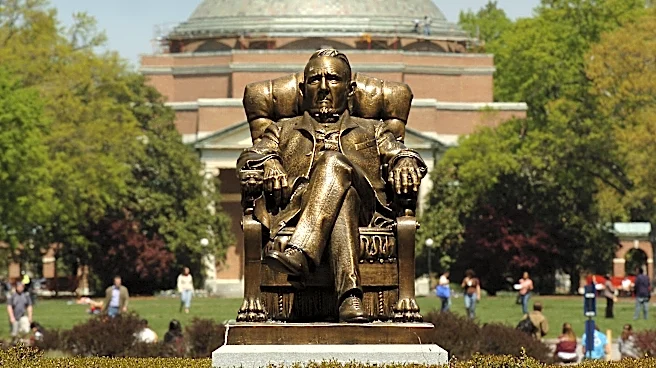
Angel Victoria Murdock, a former star of 'Temptation Island,' is facing viral accusations of falsely claiming to be a student in Duke University's Physician Assistant (PA) program for approximately two years. Murdock posted graduation photos outside Duke Chapel,
celebrating her supposed achievement, which prompted actual 2026 PA graduates to investigate. The class of 91 students, who knew each other well, did not recognize Murdock. Kiera Brown, a 2026 graduate and class historian, created an eight-minute video detailing her findings, noting Murdock's absence from official group photos and suspicious timing of her 'Get Ready with Me for psych rotation' posts. Duke Health has confirmed they have no record of Murdock applying to or attending the program. Murdock's Instagram and TikTok accounts, where she documented her alleged PA school journey, have since gone dark. She also allegedly misrepresented herself as a licensed real estate agent in North Carolina and Georgia, with no record of her in either state's database or employment by the brokerage she named.
Why It's Important?
This incident highlights significant issues regarding online authenticity, academic integrity, and professional misrepresentation. For educational institutions like Duke University, such hoaxes can damage their reputation and create distrust in their programs. For the public, it underscores the need for critical evaluation of information shared on social media, especially from influencers. The alleged misrepresentation as a licensed real estate agent carries legal implications, as impersonating a broker is a misdemeanor in both North Carolina and Georgia. This case also brings to light the pressures individuals may face to maintain a certain image online, potentially leading to fraudulent behavior. The swift action by actual Duke PA graduates to expose the deception demonstrates the power of community and peer review in verifying claims, particularly in specialized fields.
What's Next?
As of now, no criminal charges have been filed against Angel Victoria Murdock. However, the legal implications of impersonating a licensed real estate broker could lead to future charges. The incident will likely continue to be discussed online, serving as a cautionary tale about social media authenticity. Educational institutions and professional licensing boards may review their verification processes in light of such public deceptions. Murdock's online presence remains dark, and it is unclear if she will publicly address the accusations. The case may also prompt further scrutiny of reality TV personalities and their online personas, encouraging greater transparency and accountability.
Beyond the Headlines
This story delves into the deeper societal implications of identity construction in the digital age. The allure of influencer culture and the pressure to project an image of success can lead individuals to fabricate credentials and experiences. This phenomenon raises ethical questions about the responsibility of social media platforms in verifying user claims and the psychological motivations behind such elaborate deceptions. The incident also touches upon the value placed on prestigious academic achievements and professional titles, and how these can be exploited for personal gain or social validation. The collective effort of the Duke PA graduates to uncover the truth underscores the importance of community vigilance and the potential for digital communities to self-regulate against misinformation and fraud. It serves as a stark reminder that online personas can be meticulously crafted and may not always reflect reality, prompting a broader conversation about trust and verification in an increasingly digital world.