






What's Happening?
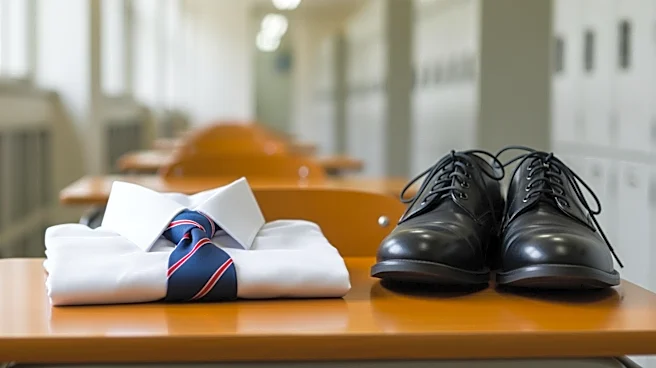
Students at the Philadelphia High School for Creative and Performing Arts (CAPA) organized a protest outside the district headquarters. The protest was in response to what they claim is unfair punishment of female students for dress code violations. The students argue
that the enforcement of the dress code is biased and disproportionately targets female students. This protest highlights ongoing debates about dress codes in schools and their impact on students' rights and gender equality.
Why It's Important?
The protest at CAPA underscores a broader national conversation about school dress codes and their implications for gender equality and student rights. Dress codes have been criticized for being discriminatory, particularly against female students, by enforcing standards that are seen as outdated or sexist. This event could prompt school districts to reevaluate their dress code policies to ensure they are applied fairly and do not disproportionately affect any group of students. The outcome of this protest could influence policy changes not only in Philadelphia but potentially in other school districts across the country.
What's Next?
Following the protest, it is likely that the school district will need to address the students' concerns. This could involve reviewing the current dress code policy and its enforcement to ensure fairness and equality. Stakeholders such as parents, teachers, and school administrators may engage in discussions to find a resolution that respects students' rights while maintaining school standards. The outcome of these discussions could lead to policy changes or adjustments in how dress codes are enforced.