





What's Happening?
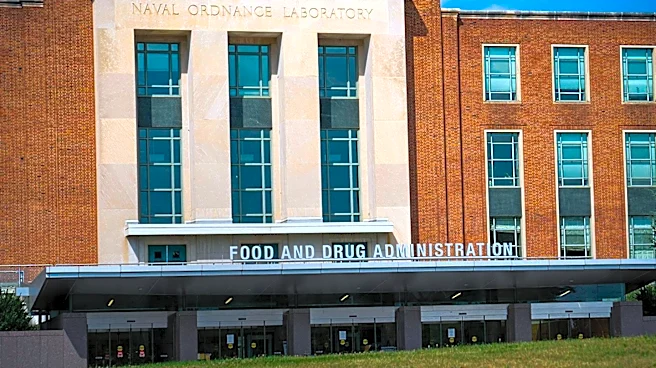
The U.S. Food and Drug Administration (FDA) and the U.S. Department of Agriculture (USDA) are jointly investigating an E. coli O157:H7 outbreak, with the Centers for Disease Control and Prevention (CDC) also involved. The specific food source causing
the illnesses remains unknown to the public. The USDA's Food Safety and Inspection Service (FSIS) has added this investigation to its outbreak table, referencing the FDA's investigation. Traceback efforts have been initiated by the FDA. While the number of cases, hospitalizations, and deaths has not yet been reported, E. coli O157:H7 is a Shiga toxin-producing bacteria that can lead to severe illness, including hemolytic uremic syndrome (HUS), a serious condition that can cause kidney failure. The FDA oversees approximately 80% of the U.S. food supply, including fresh and frozen vegetables, while the USDA regulates meat, poultry, and processed egg products. The agencies often collaborate on investigations involving multi-ingredient foods or imports where their jurisdictions overlap.
Why It's Important?
This joint investigation highlights the complex nature of food safety oversight in the U.S., where multiple federal agencies share jurisdiction over different food categories. The lack of a publicly identified food source for the E. coli outbreak poses a significant public health concern, as consumers are left without specific guidance on how to avoid potential contamination beyond general food safety practices. E. coli O157:H7 infections can be particularly dangerous, especially for vulnerable populations such as young children, the elderly, and those with weakened immune systems, due to the risk of HUS. The ongoing investigation underscores the critical role of inter-agency cooperation in identifying and mitigating foodborne illness risks, and the challenges involved in tracing the origin of pathogens in a vast and intricate food supply chain. The potential for severe health outcomes from E. coli emphasizes the importance of rapid identification and public communication regarding contaminated products.
What's Next?
As the investigation progresses, the FDA and USDA will continue their traceback efforts, which involve interviewing sick individuals to identify common food exposures and conducting sampling activities to pinpoint the source of the outbreak. Public health officials will be monitoring for new cases and working to gather more information to inform consumers. Once a specific food source is identified, a recall or public health alert is likely to be issued to prevent further illnesses. Consumers are advised to practice basic food safety measures, such as cooking food to appropriate internal temperatures, separating raw and ready-to-eat foods, and thorough handwashing. Individuals experiencing symptoms consistent with E. coli infection are encouraged to seek medical attention and report their illness to health authorities, as this information can aid in the investigation and help prevent the spread of the pathogen.
Beyond the Headlines
The ongoing E. coli investigation, without a disclosed food source, brings to light the broader implications of transparency and public trust in food safety systems. The delay in identifying the contaminated product can lead to widespread anxiety among consumers and potentially impact various sectors of the food industry. This situation also underscores the continuous need for robust surveillance and rapid response mechanisms to foodborne outbreaks. The collaboration between the FDA, USDA, and CDC, while essential, also points to the inherent complexities and potential inefficiencies in a system with overlapping jurisdictions. The long-term impact could include increased scrutiny on food processing and distribution practices, and potentially lead to calls for more streamlined communication protocols during public health crises. The incident serves as a reminder of the constant vigilance required to safeguard public health against foodborne pathogens.