



What's Happening?
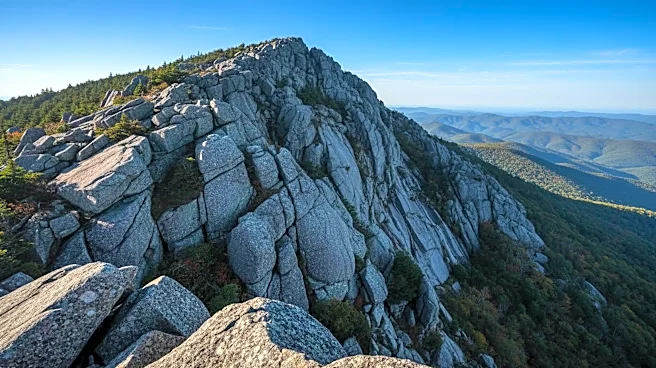
A specialized team, including two Raleigh firefighters, successfully rescued a 21-year-old hiker who fell 50 feet on Grandfather Mountain in North Carolina. The dramatic rescue, which occurred on Saturday, involved a North Carolina State Highway Patrol
helicopter hovering near the rocky summit. Captain Daniel Richardson of the Raleigh Fire Department and firefighter Jason Ceisner were lowered from the helicopter to the injured hiker. They navigated thick, slippery brush to reach the individual, loaded him onto a stretcher, and then airlifted him to safety. The team is part of NCHART, a network of search and rescue crews comprising the North Carolina National Guard, the North Carolina State Highway Patrol, and firefighters from approximately 10 agencies. This network specializes in air extractions when ground rescues are too dangerous or impossible. The hiker was subsequently transported to a hospital in Tennessee.
Why It's Important?
This rescue highlights the critical role and advanced capabilities of specialized search and rescue teams like NCHART in the United States. Their ability to perform complex air extractions in challenging terrains, such as Grandfather Mountain, is vital for public safety, particularly as outdoor recreational activities continue to grow in popularity. The incident underscores the inherent risks associated with hiking in mountainous regions and the necessity of well-trained and equipped emergency services. The collaboration between multiple state agencies, including fire departments, the National Guard, and the State Highway Patrol, demonstrates an effective model for inter-agency cooperation in emergency response. This coordinated effort ensures that individuals in distress, even in remote or difficult-to-access locations, can receive timely and life-saving assistance, thereby enhancing overall public safety and emergency preparedness across the state.
What's Next?
Following this successful operation, NCHART and its member agencies will likely continue their training and readiness exercises to maintain their high level of preparedness for future emergencies. There may be ongoing evaluations of the rescue operation to identify any areas for improvement in protocols or equipment. Public safety campaigns might be reinforced to educate hikers about mountain safety, including proper gear, route planning, and emergency communication. The incident could also prompt discussions among park management and local authorities regarding trail maintenance, signage, and emergency access points on Grandfather Mountain and similar challenging terrains. The continued funding and support for specialized rescue teams will remain crucial to ensure their capacity to respond effectively to such critical situations.
Beyond the Headlines
The dramatic nature of this rescue operation, captured in video, serves as a powerful reminder of the dedication and bravery of first responders. Beyond the technical aspects of the rescue, it highlights the human element of emergency services—the commitment to saving lives under extreme pressure. The emotional accounts from the rescuers, such as Captain Richardson and firefighter Ceisner, underscore the personal investment and psychological demands of their work. This event also subtly points to the broader societal value placed on human life and the collective effort to protect it, even in the face of significant danger and logistical challenges. It reinforces the importance of investing in specialized training and equipment for emergency personnel, recognizing that their expertise is indispensable in situations where 'time was of the essence.'