





What's Happening?
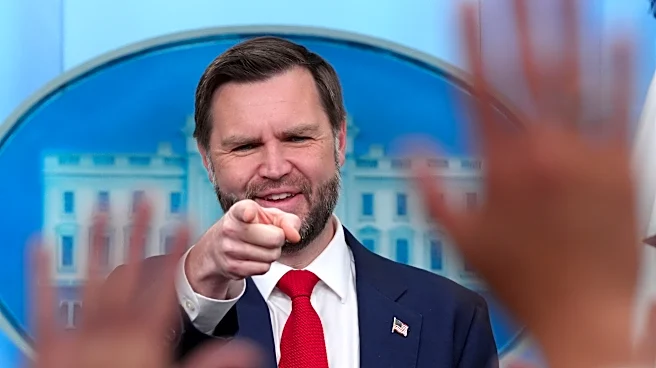
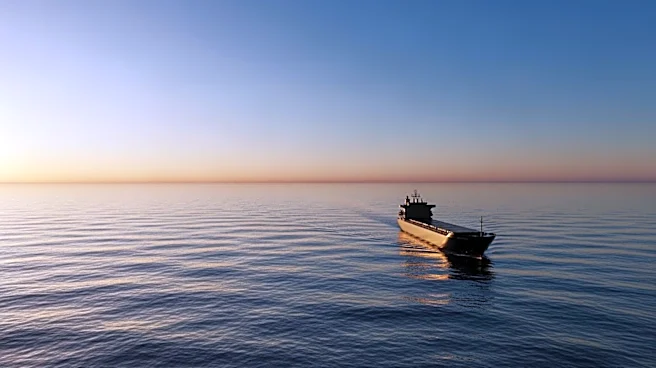
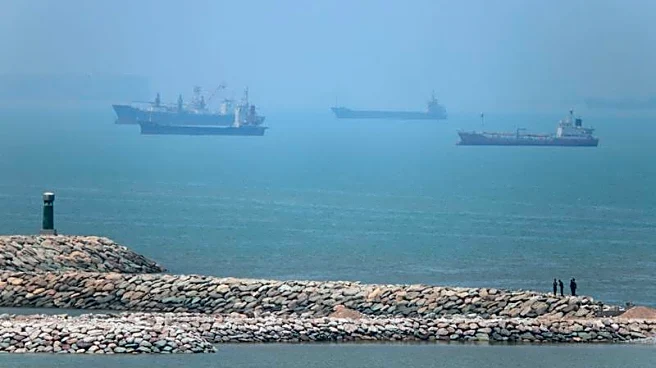
President Donald Trump has announced that maritime traffic is resuming in the Strait of Hormuz following a ceasefire agreement between the United States and Iran. This development marks a significant shift in the previously tense situation that had disrupted
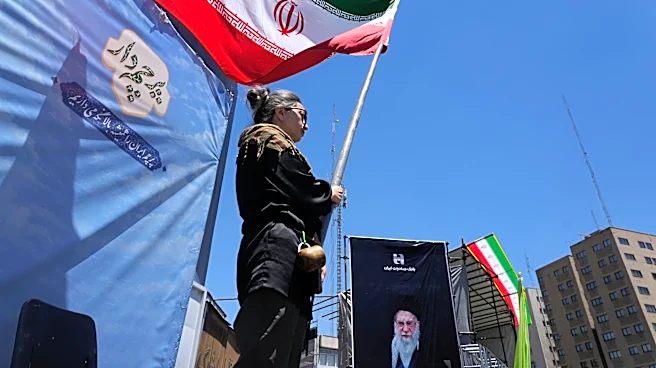
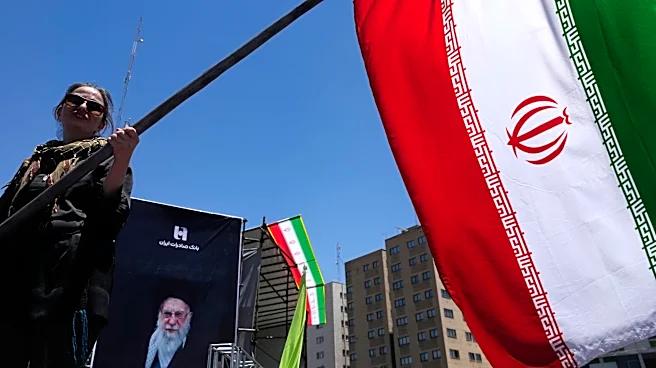
one of the world's most vital oil transit chokepoints. The ceasefire agreement, which aims to de-escalate tensions in the region, remains fragile as ongoing negotiations continue regarding nuclear and implementation issues. President Trump has warned that the U.S. will take action if Iran fails to uphold its commitments under the ceasefire. The announcement suggests a potential de-escalation in the region, although the situation remains delicate with continued diplomatic efforts.
Why It's Important?
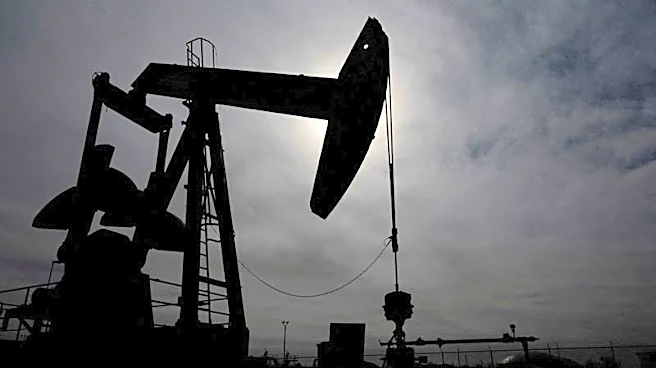
The resumption of maritime traffic in the Strait of Hormuz is crucial as it is one of the world's most important oil transit routes. The ceasefire agreement between the U.S. and Iran could lead to a decrease in the likelihood of the UK or other countries deploying warships to the area, which would further stabilize the region. The normalization of shipping activity is expected to influence market perceptions positively, potentially reducing war-risk premiums and increasing confidence in the Strait's security. However, the ceasefire is conditional, and any renewed military actions or diplomatic strains could impact market expectations and the overall stability of the region.
What's Next?
Observers are advised to monitor statements from key actors such as President Trump and Iranian officials, as well as reports from maritime and security agencies. Updates on the ceasefire negotiations, particularly concerning nuclear and security terms, will be critical in assessing the long-term stability of the region. The behavior of shipping insurers and changes in war-risk premiums will also serve as indicators of confidence in the Strait's security. Any developments in the diplomatic negotiations or military actions could significantly affect the normalization of traffic and the potential deployment of warships.