



What's Happening?
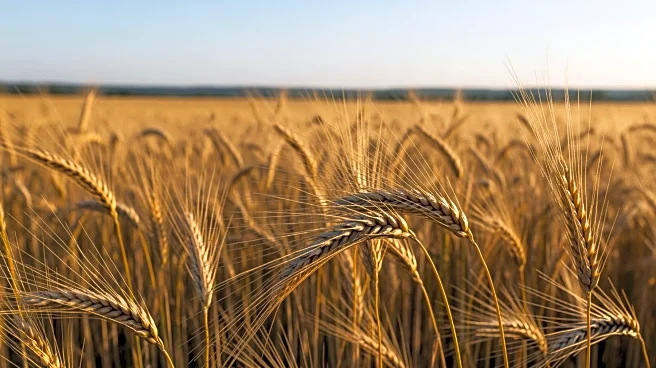
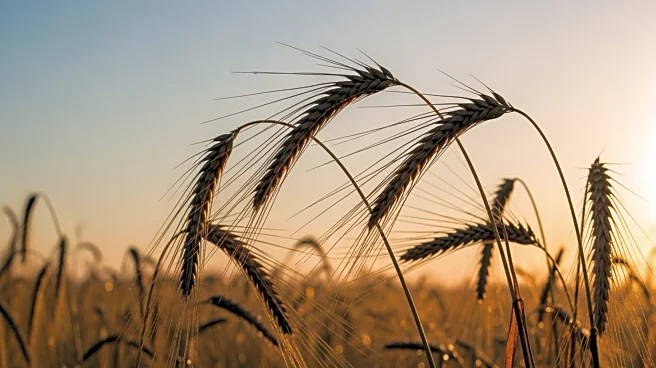
The International Maize and Wheat Improvement Center (CIMMYT) is advancing the adoption of heat- and rust-resilient wheat varieties in Central India through its Accelerated Genetic Gains in Wheat (AGG) project. This initiative, funded by the Gates Foundation
and the UK Foreign, Commonwealth & Development Office, aims to enhance climate resilience, productivity, and nutrition in major wheat-growing regions. Between 2019 and 2025, the project achieved a 7.5% increase in yield potential and a 10% increase in grain zinc concentration, potentially adding 5 million tons of wheat if adopted on 50% of India's wheat-growing area. This could translate into approximately USD 1.25 billion in additional farmer income.
Why It's Important?
The development of climate-resilient wheat varieties is crucial for enhancing food security and farmer income in India, a major wheat-producing country. By improving yield potential and nutritional quality, these innovations can significantly impact the agricultural economy and help farmers adapt to climate change. The project's success demonstrates the value of modernizing breeding pipelines and integrating advanced genomic tools, which can serve as a model for other regions facing similar challenges.
What's Next?
CIMMYT and the Shri Vaishnav Institute of Agriculture in Indore have signed a Memorandum of Understanding to test and commercialize new wheat lines. This partnership will also focus on capacity development programs and joint research on wheat improvement. The ongoing collaboration aims to further scale the adoption of improved wheat varieties and enhance farmer-scientist interactions to optimize crop management practices.