







What's Happening?
Construction has commenced in Fayetteville's flood-prone Locks Creek neighborhood on a significant drainage project aimed at providing flood relief and improving emergency access. This eight-month endeavor is partially funded by a $999,135 Disaster Mitigation
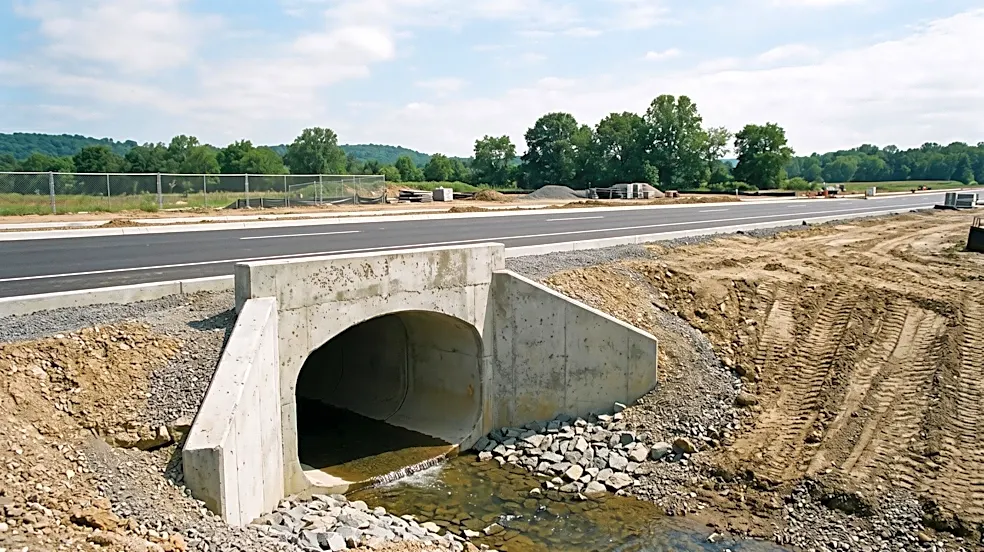
Grant from the North Carolina Department of Public Safety. The project's scope includes replacing the existing drainage culvert with a stronger concrete structure, raising the road at the neighborhood's entrance, installing new water and sewer lines, and resurfacing Locks Creek Road and portions of Carriage Street. City officials have clarified that while the project will improve access and reduce flooding at the entrance, it is not designed to eliminate flooding from Locks Creek itself or remove homes from flood hazard areas. During construction, portions of Locks Creek Road will be closed, with residents advised to use Carriage Street to L.A. Dunham Road as an alternative route.
Why It's Important?
This flood relief project is crucial for the Locks Creek neighborhood, which has experienced long-standing issues with stormwater and emergency access during severe weather. The investment of nearly a million dollars in federal and state grants underscores the severity of the flooding problem and the commitment to mitigate its impact. Improved drainage and road elevation will enhance safety for residents and facilitate quicker response times for first responders, which is vital in emergency situations. However, the skepticism from some long-term residents, who recall past unfulfilled promises, highlights the importance of delivering tangible and lasting results. The project's limitations, specifically its inability to eliminate all flooding from Locks Creek or remove homes from flood hazard areas, indicate that while a significant step, it may not fully resolve all flood-related challenges for the community.
What's Next?
Construction will continue for the next eight months, during which residents of the Locks Creek neighborhood will need to navigate road closures and plan for additional travel time. City officials will maintain emergency access throughout the construction period. Upon completion, the project is expected to reduce flooding at the neighborhood's entrance, improve utility infrastructure, and enhance overall emergency access. Councilman Malik Davis has indicated ongoing efforts to secure additional financing to address flood concerns in other parts of the community, suggesting that this project is part of a broader, phased approach to flood mitigation in Fayetteville. The success of this initial phase will likely influence future funding and project decisions for other flood-prone areas.
Beyond the Headlines
The Locks Creek flood relief project reflects a broader challenge faced by many communities across the U.S. in adapting to changing weather patterns and mitigating the impacts of natural disasters. The reliance on disaster mitigation grants highlights the critical role of federal and state funding in addressing local infrastructure vulnerabilities. The skepticism expressed by long-term residents underscores the importance of trust-building between local governments and their constituents, especially in areas with a history of unaddressed issues. While this project focuses on immediate relief and access, the underlying issue of homes remaining in flood hazard areas points to the long-term policy debates around land use, zoning, and the potential need for more comprehensive, and often more costly, solutions like managed retreat or large-scale infrastructure overhauls. This project serves as a microcosm of the complex and ongoing efforts required to build resilient communities in the face of environmental challenges.