





What's Happening?
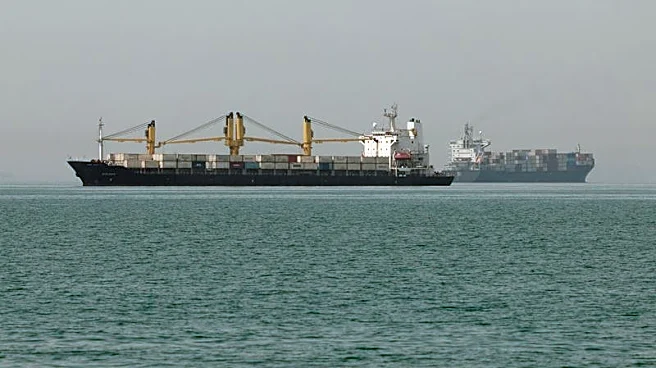
The U.S. dollar has risen to its highest level since early April, driven by geopolitical tensions with Iran and speculation about potential interest rate hikes by the Federal Reserve. Iran's Revolutionary Guard reportedly targeted a U.S. airbase, escalating
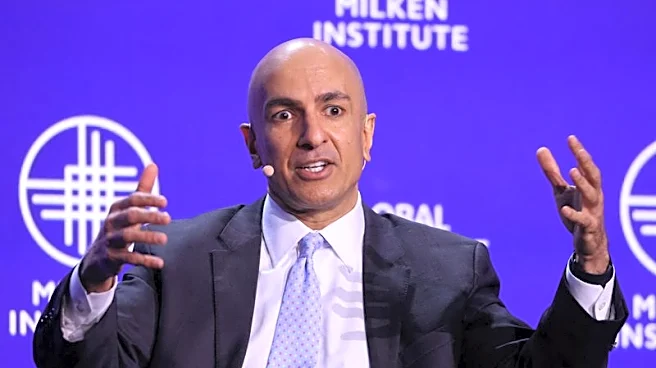
tensions and boosting demand for the dollar as a safe-haven asset. Meanwhile, the Federal Reserve's hawkish stance, as indicated by recent statements from FOMC members, is contributing to expectations of future rate hikes, further supporting the dollar's strength.
Why It's Important?
The strengthening of the U.S. dollar has significant implications for global markets, particularly for countries and regions heavily reliant on imports. A stronger dollar can increase the cost of imports, impacting inflation and economic growth. Additionally, the potential for U.S. interest rate hikes could influence global financial conditions, affecting capital flows and investment decisions. The geopolitical situation with Iran adds another layer of complexity, with potential repercussions for global energy markets and economic stability.
What's Next?
Investors and analysts will be closely monitoring developments in the Iran conflict and the Federal Reserve's policy decisions. The outcome of these events could have far-reaching effects on currency markets, interest rates, and global economic conditions. The potential for further escalation in geopolitical tensions or shifts in monetary policy will be key factors to watch in the coming weeks.
Beyond the Headlines
The interplay between geopolitical events and monetary policy underscores the interconnectedness of global financial systems. The current situation highlights the challenges of navigating economic policy in a complex and volatile environment. As central banks and governments respond to these dynamics, the implications for international trade, investment, and economic growth will be closely scrutinized.