







What's Happening?
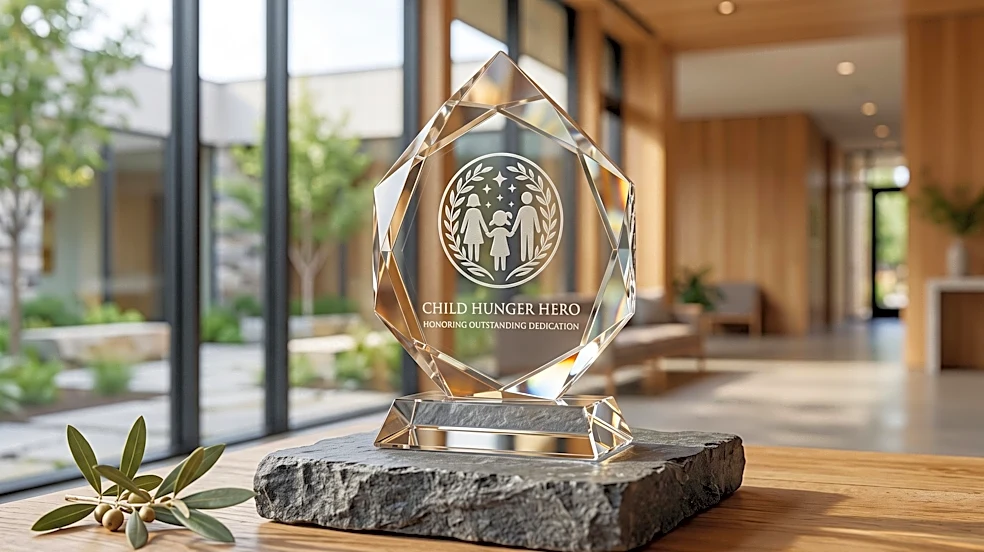
The Greater Pittsburgh Community Food Bank has honored 50 schools and community organizations with the Child Hunger Hero Award for their significant contributions to combating childhood hunger in southwestern Pennsylvania. This recognition highlights
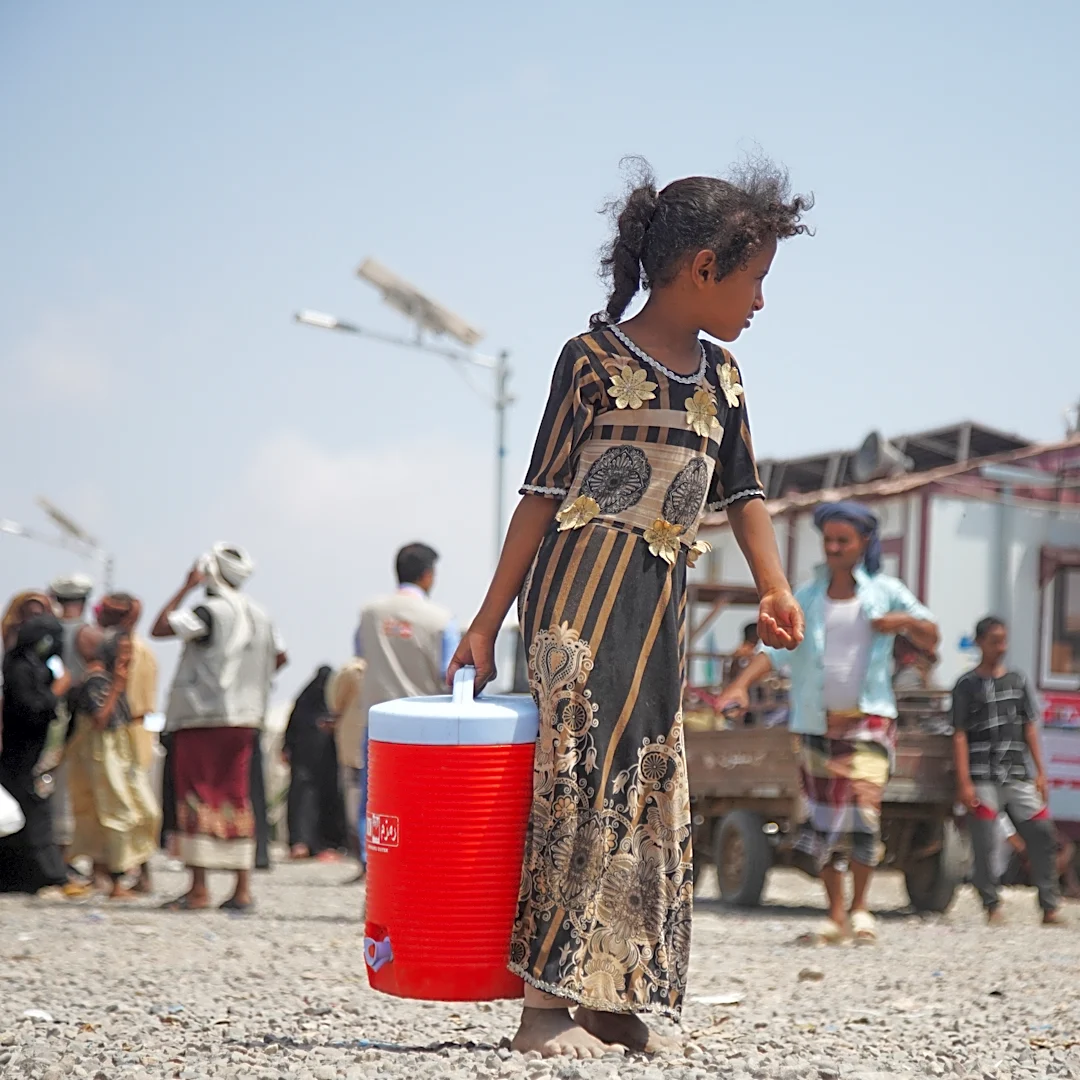
efforts across 11 counties, including Pittsburgh Public Schools, Beaver County YMCA, and California Area School District. Data indicates that one in five children in southwestern Pennsylvania lives in a household facing food insecurity. The award program evaluates participants based on their involvement in various child nutrition initiatives, such as school meals, summer food services, after-school meal sponsorships, weekend backpack programs, and school pantry operations. A major focus of the recognized organizations is providing food outside of standard school hours, with 82% offering weekend backpack programs and 72% providing summer meals. Additionally, 86% of award-winning school districts offer grab-and-go breakfast options, and 79% participate in the Community Eligibility Provision, which provides free breakfast and lunch to all enrolled students.
Why It's Important?
The recognition of these organizations underscores the persistent challenge of child food insecurity in the U.S., particularly in regions like southwestern Pennsylvania. The initiatives highlighted demonstrate effective strategies for addressing this issue, which can serve as models for other communities. By ensuring children have access to nutritious food, these programs contribute to better health outcomes, improved academic performance, and overall well-being, thereby fostering a more productive future workforce. The involvement of schools and community groups also illustrates the critical role of local partnerships in creating comprehensive support systems. Furthermore, the emphasis on providing food during weekends and summers addresses gaps in federal programs, which primarily focus on in-school meals, ensuring continuous access to food for vulnerable children.
What's Next?
The continued success and expansion of programs like those recognized by the Child Hunger Hero Award will likely depend on sustained funding, community engagement, and policy support. Organizations may seek to replicate successful models in other areas facing similar challenges. There could be increased advocacy for policies that strengthen child nutrition initiatives, such as expanding eligibility for free meal programs or increasing funding for summer and after-school food services. The data collected from these programs could also inform future strategies for addressing food insecurity at both local and national levels, potentially leading to more targeted interventions and greater collaboration among stakeholders. The ongoing efforts will aim to reduce the one-in-five child food insecurity rate in the region.
Beyond the Headlines
Beyond the immediate impact of providing meals, these initiatives address deeper societal issues related to poverty, educational equity, and public health. Food insecurity can have long-term consequences on a child's physical and cognitive development, perpetuating cycles of disadvantage. By intervening early, these programs not only alleviate immediate hunger but also contribute to breaking these cycles, offering children a better chance at success. The community-led nature of many of these efforts also strengthens social cohesion and fosters a sense of collective responsibility for vulnerable populations. This holistic approach to child welfare highlights the interconnectedness of food access with broader social and economic determinants of health and opportunity.