






What's Happening?
Senator Tammy Baldwin (D-Wisc.) introduced a bill in April aimed at addressing issues faced by sports fans regarding access to professional sports games. The proposed legislation seeks to eliminate blackouts of professional sports games, simplify the
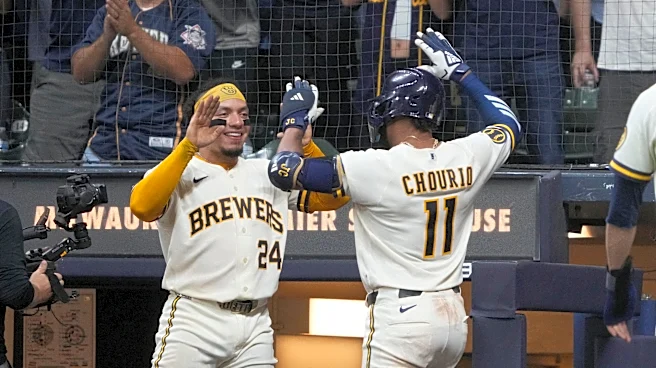
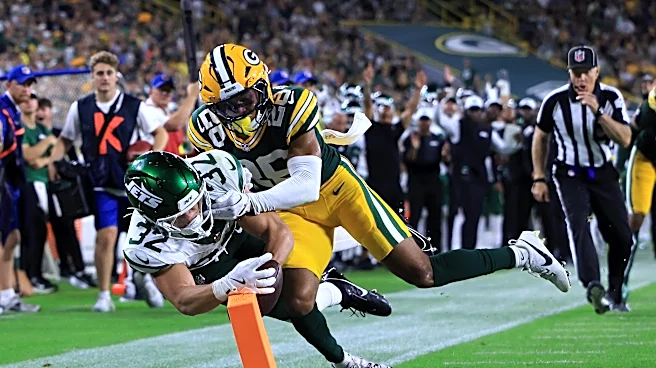
complex landscape of streaming services, and ultimately reduce costs for viewers across the United States. A core component of the bill mandates that sports leagues provide local fans with free access to all of their teams’ games in a single, consolidated location, whether through streaming platforms or traditional television networks. Senator Baldwin cited concerns from her Wisconsin constituents, who, according to her office, would need to spend over $1,500 annually across multiple channels and streaming services to watch all games involving the Packers, Brewers, and Bucks. This issue was highlighted by a January playoff game where the Packers' game against the Bears was exclusively available on Amazon Prime in five of Wisconsin's seven media markets. Additionally, over 400,000 Green Bay Packers fans in 13 Wisconsin counties are assigned to out-of-state local TV markets, leading to them receiving games from other teams like the Minnesota Vikings or Detroit Lions instead of their local Packers games when played concurrently.
Why It's Important?
This bill is significant because it directly addresses growing consumer frustration with the increasing fragmentation and cost of accessing live professional sports. The rise of exclusive streaming deals by major tech companies like YouTube, Netflix, and Amazon has led to a situation where fans often need to subscribe to multiple services to follow their favorite teams, driving up expenses and creating a convoluted viewing experience. The legislation aims to re-establish a more accessible and affordable model for sports consumption, potentially impacting the business strategies of sports leagues and streaming platforms. If passed, it could force leagues to reconsider their exclusive rights agreements and potentially lead to a more unified distribution model. For consumers, it promises relief from escalating costs and the inconvenience of navigating numerous platforms. The bill also highlights the broader debate around antitrust exemptions for sports leagues, as the House Judiciary Committee has also begun probing the Sports Broadcasting Act of 1961, which grants these exemptions, suggesting a growing bipartisan concern over the current state of sports media rights.
What's Next?
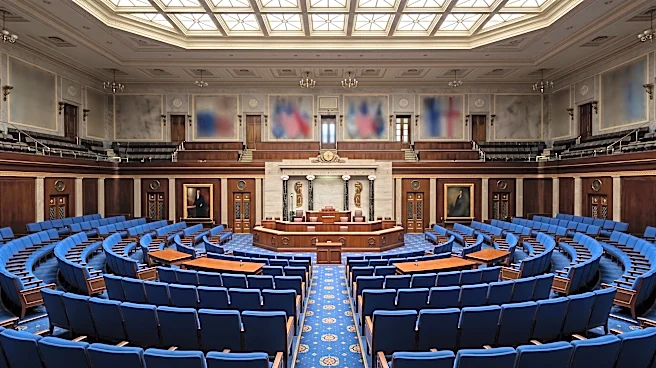
The bill introduced by Senator Baldwin will proceed through the legislative process, where it will likely undergo committee review and potential amendments. The Streaming Access and Choice Alliance (SACA), a lobbying group formed by YouTube, Netflix, Amazon, and TechNet, is actively engaging with Capitol Hill to advocate for the rights of streaming services to secure exclusive deals. This indicates a potential legislative battle between consumer advocacy, represented by Senator Baldwin's bill, and the interests of major tech and streaming companies. The ongoing probe by the Republican-led House Judiciary Committee into the Sports Broadcasting Act of 1961 could also influence the trajectory of Baldwin's bill, as both initiatives aim to address the impact of current sports media rights on consumers. The outcome will depend on the ability of lawmakers to navigate the complex interests of sports leagues, broadcasters, streaming services, and the demands of the viewing public. Further discussions and potential hearings are expected as the bill gains traction.
Beyond the Headlines
Beyond the immediate concerns of sports blackouts and streaming costs, this legislative effort touches upon fundamental questions about media access, consumer rights in the digital age, and the evolving landscape of entertainment consumption. The shift towards exclusive streaming deals for live sports reflects a broader trend where content, once widely available, is increasingly siloed behind various paywalls. This not only creates financial burdens for consumers but also raises questions about equitable access to cultural phenomena like professional sports. The debate also highlights the power dynamics between traditional sports leagues, emerging tech giants, and the public interest. If successful, this bill could set a precedent for how digital content is regulated, potentially influencing other sectors beyond sports. It underscores a growing recognition among policymakers that while technological advancements offer new ways to consume media, they must also ensure that these innovations do not inadvertently create barriers or exploit consumer loyalty.