



What's Happening?
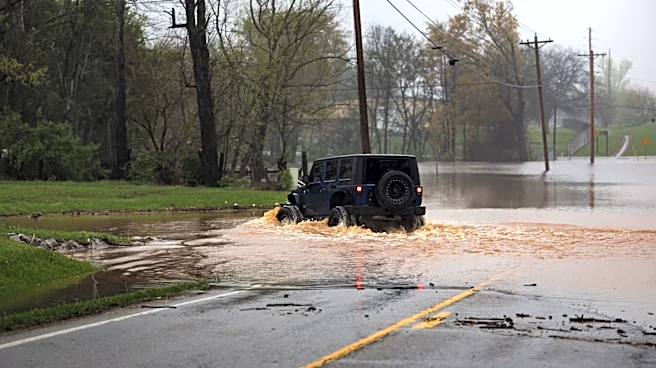
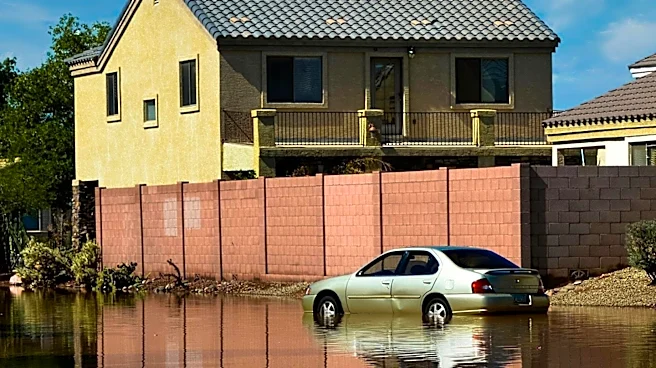
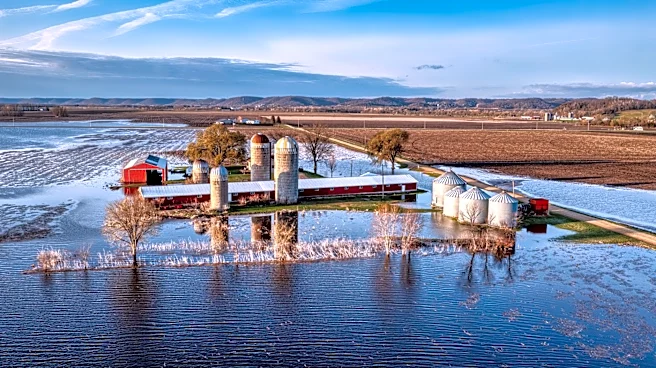
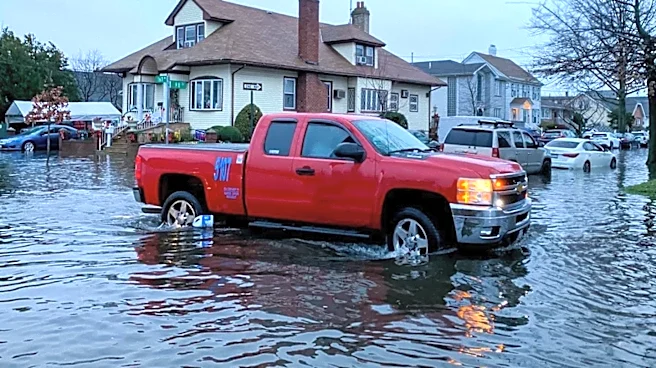
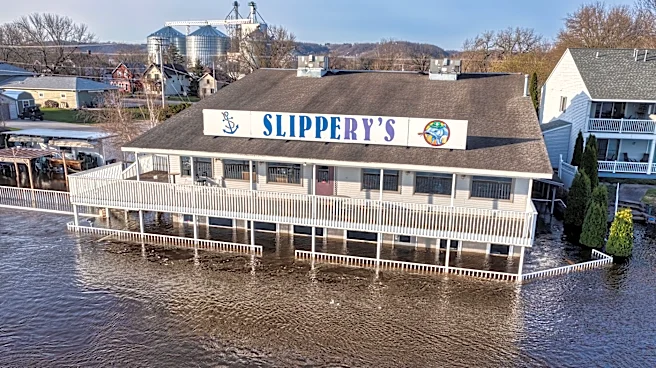
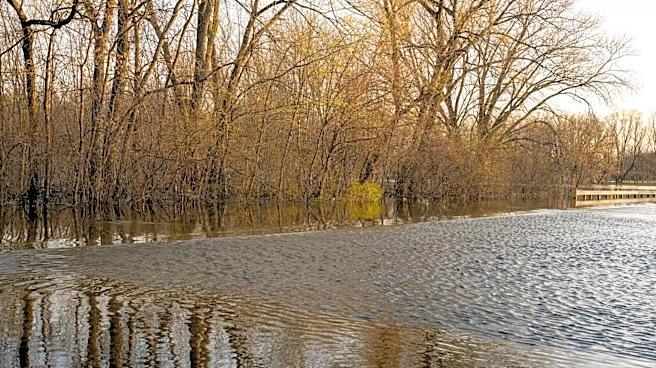
Indiana has been hit by historic rainstorms and flooding over the past several days, leading to at least seven deaths. Hamilton County officials reported that floodwaters are beginning to recede after the White River reached its highest level ever, cresting
at 24.6 feet, surpassing a 1913 record. The Indiana State Emergency Operations Center confirmed the fatalities, which include a 4-year-old boy, a 19-year-old man, and a 58-year-old woman, among others, across Jennings, Delaware, Porter, Lake, and Henry counties. In Hamilton County alone, 215 properties were affected, and 40 residents were evacuated in Carmel, while Noblesville saw 170 residents evacuated and 552 residential units impacted. Indiana Governor Mike Braun declared a state of emergency, and President Trump has agreed to provide federal assistance.
Why It's Important?
This severe flooding event has had a devastating impact on Indiana communities, resulting in loss of life, extensive property damage, and widespread displacement. The record-breaking river levels highlight the increasing vulnerability of infrastructure and populations to extreme weather events, which can strain emergency services and local resources. The declaration of a state of emergency and the promise of federal assistance underscore the significant economic and social burden placed on the state. Businesses and residents face substantial recovery costs, and the disruption to daily life can have long-lasting effects on local economies and community well-being. The event also brings into focus the need for robust flood mitigation strategies and emergency preparedness in regions prone to such natural disasters.
What's Next?
As floodwaters recede, the immediate focus will shift to recovery efforts, including assessing the full extent of damage, providing aid to affected residents, and repairing critical infrastructure. Hamilton County remains under a flood watch, indicating that further rainfall could exacerbate the situation. Emergency crews will continue to conduct water rescues and ensure public safety. The federal assistance promised by President Trump will be crucial for supporting these recovery operations. Long-term, communities will likely evaluate and potentially upgrade their flood defenses and emergency response protocols to better prepare for future extreme weather events. The event may also prompt discussions about climate resilience and urban planning in flood-prone areas.
Beyond the Headlines
The historic nature of this flooding event in Indiana, breaking a 113-year-old record, points to broader environmental trends and the potential impact of climate change on weather patterns. The saturation of the ground and the rapid cresting of rivers suggest a systemic vulnerability that extends beyond individual communities. The human toll, particularly the loss of life, underscores the critical importance of early warning systems and effective evacuation procedures. This event serves as a stark reminder of the interconnectedness of environmental factors, infrastructure, and human safety, prompting deeper consideration of sustainable development and proactive measures to protect populations from increasingly severe natural disasters.