



What's Happening?
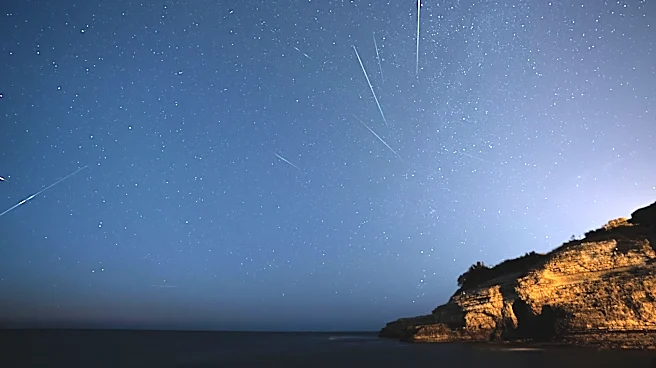
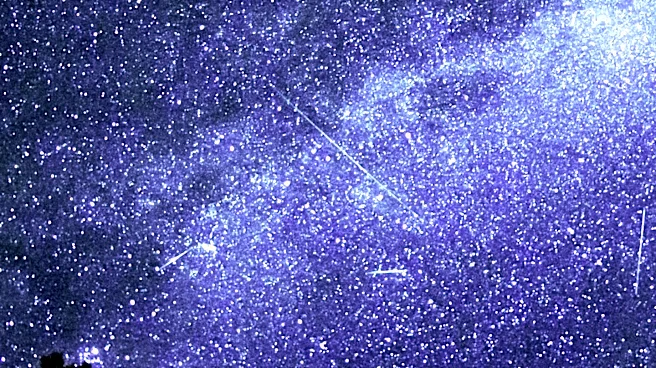
The Perseids meteor shower, one of the most anticipated astronomical events of the summer, is set to peak on the nights of August 12-13. This annual meteor shower is known for its high meteor count, with NASA estimating between 50 to 100 meteors per hour
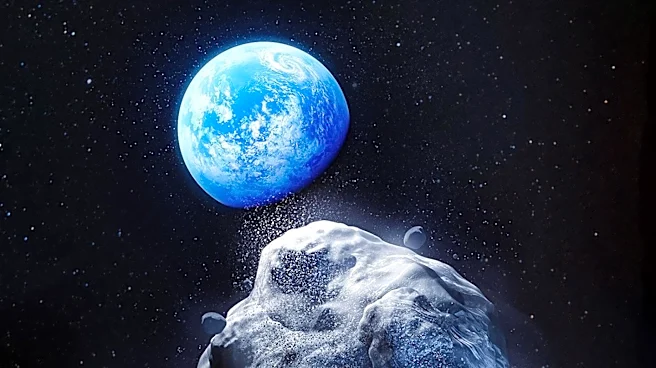
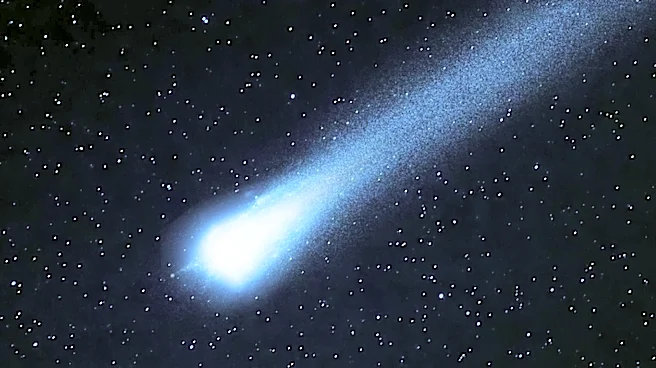
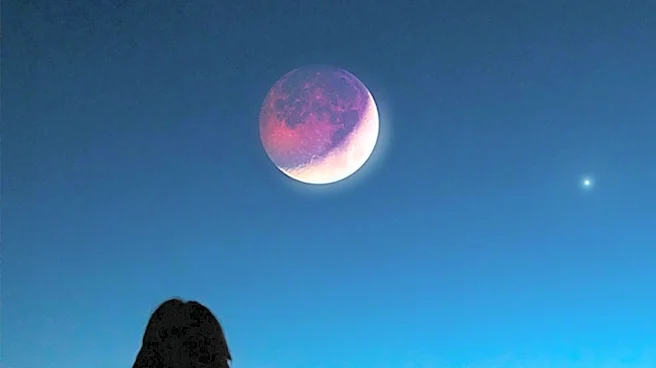
under ideal conditions. The Perseids are caused by debris from the 109P/Swift-Tuttle comet, which Earth passes through each year. This year, the viewing conditions are expected to be particularly favorable due to the new moon on August 12, which will minimize lunar light pollution. The Perseids are named after the Perseus constellation, from which the meteors appear to originate. Stargazers are advised to find a dark location away from city lights to maximize their viewing experience.
Why It's Important?
The Perseids meteor shower is significant not only for its visual spectacle but also for its accessibility to the general public. Unlike many astronomical events that require specialized equipment, the Perseids can be enjoyed with the naked eye, making it an inclusive event for amateur astronomers and families alike. The timing during the warm summer months encourages outdoor gatherings and educational opportunities about astronomy. Additionally, the event highlights the importance of preserving dark skies, as light pollution can significantly reduce the number of visible meteors, impacting both scientific observations and public enjoyment.
What's Next?
As the peak of the Perseids approaches, astronomy enthusiasts and casual observers alike are preparing for the event. Many will travel to rural areas or designated dark sky parks to escape urban light pollution. Organizations and astronomy clubs may host viewing parties or educational events to engage the public. The Perseids will continue to be visible until August 24, providing multiple opportunities for observation. The event also serves as a reminder of the ongoing need to address light pollution, which affects not only stargazing but also wildlife and human health.