


What's Happening?
Senator Ted Cruz and Ben Ferguson, a podcast host, discussed the ongoing efforts to pass the Protect College Sports Act in a recent episode of 'Verdict with Ted Cruz'. The conversation focused on the bill's momentum in the Senate and its potential path
to House consideration. They examined proposed national standards for Name, Image, and Likeness (NIL) rights, athlete benefits, and college sports governance. The discussion also touched upon coaching recruitment rules, with specific mention of Lane Kiffin's role in shaping proposed reforms. Support for the legislation from various stakeholders, including the NCAA, major conferences, universities, and prominent figures like Matthew McConaughey and Deion Sanders, was highlighted. Beyond college sports, the episode delved into broader political topics, including Democratic Party politics, media coverage, and ideological shifts within higher education, specifically discussing faculty political donations at Princeton University and the perceived lack of ideological diversity.
Why It's Important?
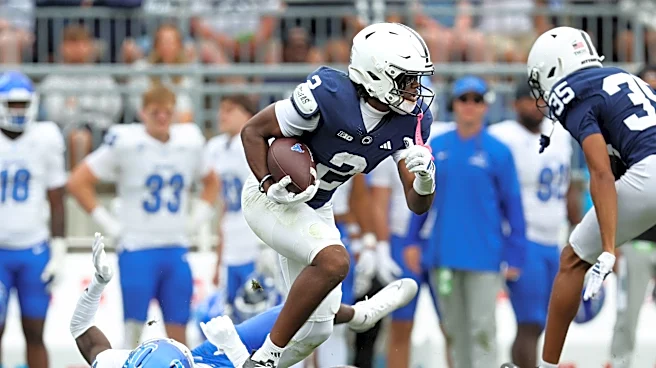
The Protect College Sports Act represents a significant legislative effort to standardize the landscape of college athletics, which has undergone substantial changes with the introduction of NIL rights. The establishment of national standards could bring uniformity and clarity to a system currently governed by a patchwork of state laws and NCAA regulations, potentially benefiting athletes through consistent benefits and recruitment rules. For universities and athletic programs, federal intervention could alleviate some of the complexities and competitive imbalances that have emerged. The involvement of high-profile figures like Matthew McConaughey and Deion Sanders underscores the widespread interest and perceived necessity of this legislation. Furthermore, the discussion on ideological shifts in higher education and political donations among university faculty points to a broader concern about the political leanings within academic institutions and their potential impact on the educational environment and public discourse.
What's Next?
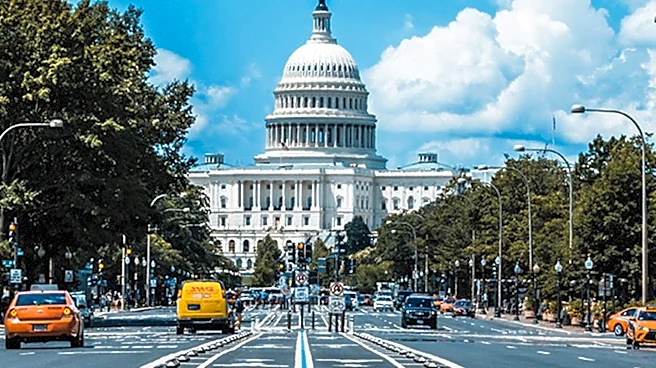
The Protect College Sports Act is reportedly headed for a major Senate vote, indicating that its passage could significantly reshape college athletics. If the bill clears the Senate, the next step would be consideration by the House of Representatives. The ongoing debate is expected to expand beyond Washington, engaging college campuses, athletic programs, and fan bases across the country. The legislation's potential impact on NIL rules, athlete benefits, and coaching recruitment will likely lead to further discussions and adjustments within the collegiate sports ecosystem. The broader political discussions initiated by Senator Cruz and Ben Ferguson regarding Democratic Party politics and ideological diversity in higher education suggest continued scrutiny of these areas, potentially influencing future policy debates and public discourse on academic freedom and political representation within universities.
Beyond the Headlines
The push for federal legislation in college sports, particularly concerning NIL, highlights a fundamental shift in the perception of collegiate athletes from amateurs to individuals with economic rights. This evolution raises ethical questions about the commercialization of college sports and the balance between athletic competition and financial incentives. The debate over coaching recruitment rules, influenced by figures like Lane Kiffin, points to the increasing professionalization of coaching roles and the competitive pressures within college athletics. The discussion on ideological diversity and political donations in higher education touches upon deeper societal concerns about academic freedom, intellectual pluralism, and the role of universities in shaping public opinion. These issues could trigger long-term shifts in how academic institutions are governed, funded, and perceived by the public, potentially leading to calls for greater transparency and accountability regarding political affiliations within academia.