


What's Happening?
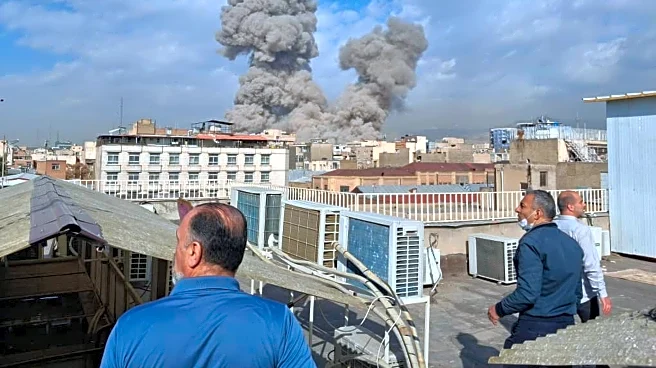
Hospitals across Israel have begun transferring patients to protected underground facilities as part of wartime preparations due to the ongoing conflict with Iran. This move follows previous experiences where relocating patients underground during bombardments
proved to be life-saving. The Health Ministry has instructed all hospitals with underground facilities to prepare these areas, which are often located in parking structures, to ensure patient safety. The private Assuta Medical Center in Tel Aviv is also participating by receiving patients from public hospitals that lack sufficient fortification. Additionally, the health system is expanding the use of telemedicine to maintain continuity of care, especially for older adults and those with chronic illnesses. The HMOs have mapped out patients who rely on electrically powered medical equipment to ensure they have access to necessary resources during power outages.
Why It's Important?
The transfer of patients to underground facilities is a critical measure to protect lives amid the escalating conflict with Iran. This action underscores the severity of the situation and the need for robust emergency preparedness in the healthcare sector. The use of telemedicine and proactive patient outreach highlights the importance of maintaining healthcare services during crises. The focus on patients dependent on electrical medical equipment reflects the challenges of ensuring continuous care in conflict zones. This development has significant implications for the healthcare system's ability to respond to emergencies and protect vulnerable populations, potentially setting a precedent for other regions facing similar threats.
What's Next?
As the conflict with Iran continues, Israeli hospitals and HMOs will likely remain on high alert, with ongoing assessments of their emergency preparedness. The healthcare system may need to adapt further, possibly increasing the capacity of underground facilities or enhancing telemedicine capabilities. Coordination with local authorities will be crucial to manage potential evacuations and ensure that patients receive necessary care. The situation may also prompt discussions on improving infrastructure resilience and emergency response strategies in the healthcare sector.