





What's Happening?
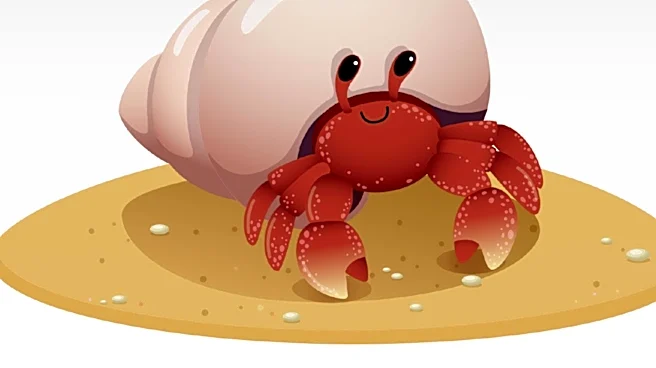
In a study conducted by Kobe University botanist Kenji Suetsugu, land hermit crabs have been identified as both external and internal seed dispersers for the parasitic plant Balanophora fungosa. This plant, which grows in the coastal forests of a Japanese
island near Okinawa, produces seeds that are dispersed by attaching to the crabs' bodies or surviving passage through their digestive tract. The study provides the first empirical evidence of hermit crabs playing a role in seed dispersal, challenging previous assumptions that seeds were dispersed by gravity or wind.
Why It's Important?
This discovery sheds light on the complex ecological interactions between plants and animals, particularly in island ecosystems. Understanding the role of hermit crabs in seed dispersal can inform conservation strategies and highlight the importance of invertebrates in maintaining biodiversity. The study also emphasizes the need to consider overlooked species in ecological research, as they may play crucial roles in ecosystem functioning. This finding could lead to further research on the ecological roles of other invertebrates and their contributions to plant reproduction and dispersal.