





What's Happening?
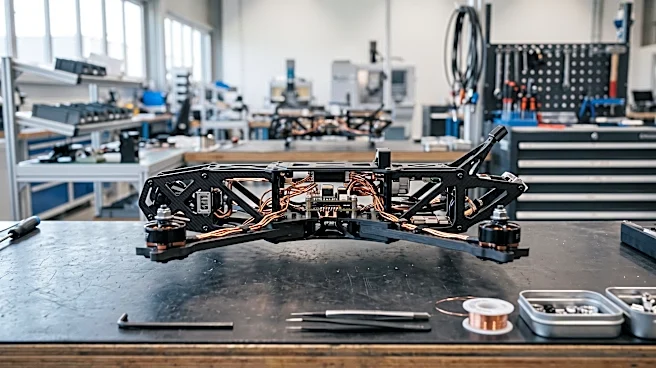
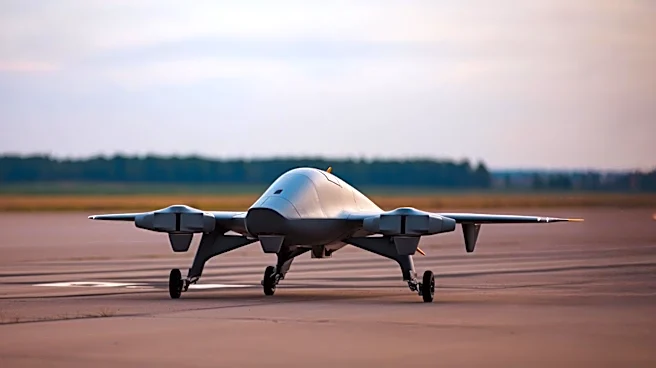
Taiwan has officially opened its Global UAV Academy (GUAVA), a privately run entity aimed at strengthening international cooperation in the drone industry. According to GUAVA Chair Lee Han-ming, the academy will focus on talent development, geopolitical
research, and establishing technical standards and certification to position Taiwan as a key player in the global unmanned vehicle sector. Foreign Minister Lin Chia-lung emphasized that 'drone diplomacy' is a central strategy for the Lai administration's policy of developing five trusted industries, viewing drones as a 'shield' for Taiwan's democracy, freedom, and defense resilience. Lin also noted the establishment of a drone diplomacy task force in October 2025 to promote international collaboration. The initiative has garnered significant international support, with Czech manufacturers expressing interest in setting up drone assembly lines in Taiwan. Taiwan Defense Industry Development Association Chair Wu Ming-wei highlighted the importance of public-private partnerships, innovation, and mass production for national resilience.
Why It's Important?
The establishment of the Global UAV Academy signifies Taiwan's strategic pivot towards enhancing its defense capabilities and international standing through technological leadership in the drone industry. By fostering a 'China-free' supply chain, Taiwan aims to reduce its reliance on external powers and build a robust, self-sufficient defense ecosystem. This initiative could attract foreign investment and partnerships, particularly from countries seeking reliable and secure drone technology. The emphasis on international cooperation and shared standards could also lead to greater interoperability with allied nations, strengthening collective security in the Indo-Pacific region. For the U.S., this development aligns with its broader strategy of supporting Taiwan's self-defense and promoting a stable regional balance of power, potentially opening avenues for collaboration in drone technology and defense manufacturing.
What's Next?
The Global UAV Academy is expected to continue its efforts in talent development, geopolitical research, and technical standardization, aiming to integrate Taiwan more deeply into the global unmanned vehicle sector. The foreign ministry will likely continue to promote 'drone diplomacy' as a core strategy, seeking further international partnerships and collaborations. The expressed interest from Czech manufacturers in establishing drone assembly lines in Taiwan could lead to concrete investment and production agreements. Taiwan's government and industry will likely focus on leveraging its trusted supply chain to become a regional hub for drone technology, potentially expanding its export markets and influence in the defense sector. Future developments may include more detailed announcements regarding specific international training programs and technological certifications.
Beyond the Headlines
This initiative extends beyond immediate defense needs, reflecting a broader strategy to enhance Taiwan's economic and diplomatic influence through technological innovation. By positioning itself as a leader in drone technology with a secure supply chain, Taiwan is not only bolstering its defense but also creating new economic opportunities and strengthening its ties with democratic partners. The concept of 'drone diplomacy' suggests a proactive approach to foreign policy, where technological prowess is used as a tool for international engagement and alliance building. This could set a precedent for other nations seeking to enhance their security and economic resilience through specialized technological development, particularly in critical sectors like defense. The focus on public-private partnerships also highlights a model for national development that integrates governmental strategy with industrial innovation.