
What's Happening?
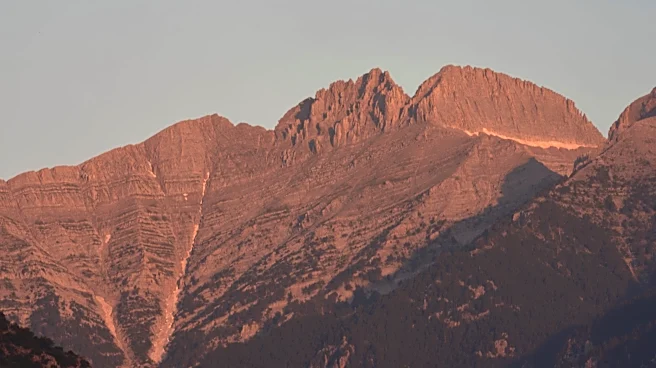
The United Nations Educational, Scientific and Cultural Organization (UNESCO) has added the D-Day landing beaches in Normandy, France, and Mount Olympus in Greece to its World Heritage List. This decision
was made during a committee meeting in South Korea. The Normandy beaches, including Omaha, Utah, Sword, Gold, and Juno, are significant for their role in the Allied invasion during World War II, which marked a turning point in the liberation of Western Europe from Nazi occupation. The sites contain remnants of German fortifications and Allied structures, highlighting their historical importance. Mount Olympus, known as the mythical home of the 12 Olympian gods, has been recognized for its cultural and natural significance. Rising to 2,918 meters, it is not only a symbol of Greek mythology but also a site of rich biodiversity. The recognition of these sites underscores their global cultural and historical value.
Why It's Important?
The inclusion of these sites on the World Heritage List emphasizes their importance in preserving global cultural heritage. For France, the recognition of the D-Day beaches serves as a reminder of the sacrifices made during World War II and the subsequent peace and security established in Europe. It also highlights the need for ongoing preservation efforts in the face of threats such as climate change and tourism. For Greece, the designation of Mount Olympus as a World Heritage site enhances its cultural prestige and could boost tourism, providing economic benefits. This recognition also places a responsibility on both countries to protect these sites for future generations, ensuring that their historical and cultural narratives are preserved.
What's Next?
Following the UNESCO designation, both France and Greece are expected to implement stronger preservation and monitoring measures to protect these sites. In France, this may involve addressing the potential impacts of tourism and environmental changes on the Normandy beaches. In Greece, the focus will likely be on managing increased tourism to Mount Olympus while preserving its natural and cultural integrity. Both countries may also engage in international collaborations to share best practices in heritage conservation. The recognition could lead to increased funding and resources dedicated to the maintenance and promotion of these sites.