







What's Happening?
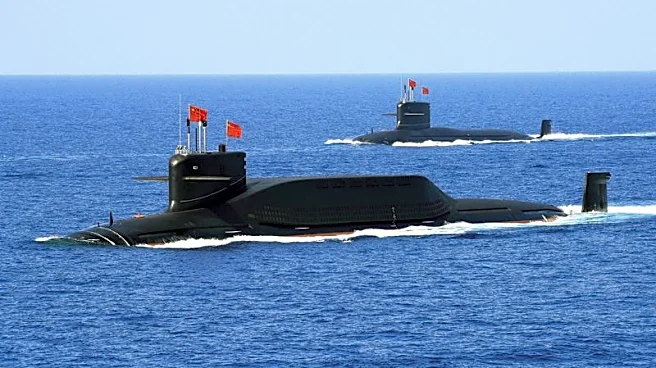
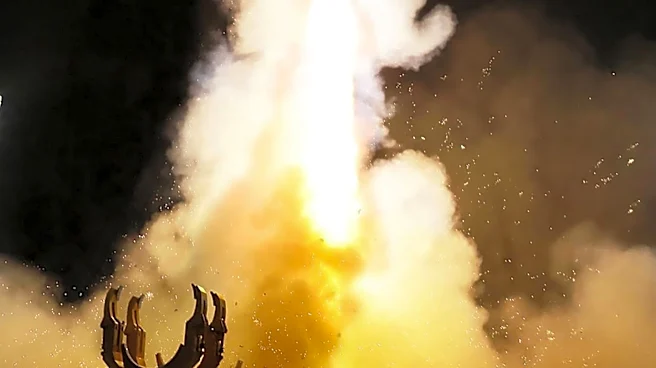
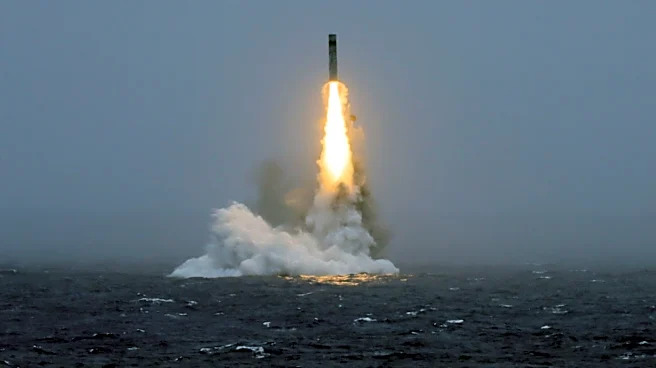
China recently conducted a ballistic missile test in the South Pacific Ocean, launching the missile from a nuclear-powered submarine. This test, which involved either a JL-2 or JL-3 missile, has drawn international attention and concern, particularly
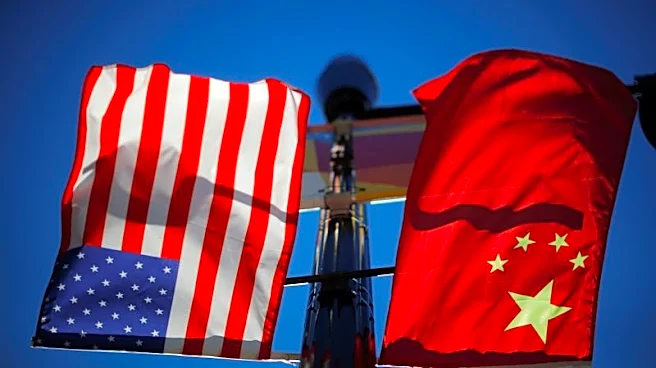
from Pacific island nations. The missile test is seen as a demonstration of China's growing military capabilities, specifically its strategic nuclear capabilities, which include land, sea, and air-based systems. The launch has been criticized for its lack of transparency and short notice to neighboring countries, despite China's claims of having informed relevant nations in advance. The test has been perceived as a message to the United States, showcasing China's second-strike capability, which allows it to retaliate even if attacked first.
Why It's Important?
The missile test underscores China's rapid military modernization and its implications for regional security dynamics. The demonstration of China's nuclear capabilities is significant as it highlights the country's ability to project power and influence in the Pacific region, an area historically dominated by the United States and its allies. The test has raised concerns among Pacific nations about the potential for increased militarization and the risk of nuclear proliferation in the region. It also highlights the strategic importance of the South Pacific, which is rich in resources and holds significant geopolitical value. The test could lead to increased tensions between China and other major powers, particularly the United States, as they navigate the complex security landscape in the Asia-Pacific region.
What's Next?
In response to the missile test, countries in the Pacific region, including Australia and New Zealand, may seek to strengthen their defense and security alliances to counterbalance China's growing influence. The United States and its allies might increase their military presence and conduct joint exercises in the region to reassure Pacific nations of their commitment to regional security. Diplomatic efforts may also intensify to address the concerns raised by the missile test and to prevent further escalation. Additionally, there could be calls for China to adhere to international norms and agreements regarding missile testing and transparency.
Beyond the Headlines
The missile test raises broader questions about the future of international arms control agreements and the role of emerging powers like China in shaping global security norms. The lack of binding international regulations on missile testing highlights the need for renewed efforts to establish comprehensive arms control frameworks that include all major military powers. The test also serves as a reminder of the historical legacy of nuclear testing in the Pacific and the ongoing environmental and health impacts faced by affected communities. As China continues to expand its military capabilities, it may face increased scrutiny and pressure to align with international standards and contribute to global security and stability.