









What's Happening?
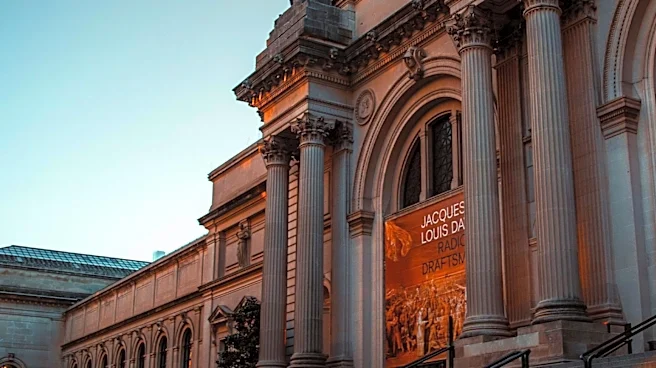
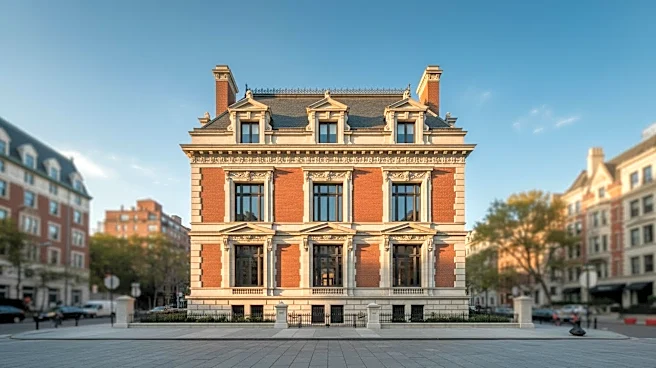
The Neue Galerie in New York, known for its collection of Austrian and German Modernism, is set to merge with the Metropolitan Museum of Art by 2028. This merger will see the Neue Galerie become part of the Met, with the institution being renamed the Met Ronald
S. Lauder Neue Galerie. The merger aims to preserve the legacy of the Neue Galerie, which was founded by Ronald S. Lauder, the heir to the Estée Lauder fortune. The Met, one of the world's largest museums, will integrate the Neue's collection, which includes works by artists such as Egon Schiele and Gustav Klimt. The merger is expected to maintain the Neue's current location and operational policies, while also benefiting from the Met's resources and expertise.
Why It's Important?
The merger between the Neue Galerie and the Met represents a significant consolidation in the museum sector, highlighting trends of collaboration and resource sharing among cultural institutions. This move is crucial for the preservation and expansion of the Neue's collection, ensuring its accessibility to a broader audience. For the Met, acquiring the Neue's collection enhances its offerings in Modernist art, potentially attracting more visitors and increasing its cultural influence. The merger also underscores the importance of strategic partnerships in the arts sector, particularly as museums face financial and operational challenges. By joining forces, these institutions can leverage their strengths to enhance their cultural and educational missions.
What's Next?
As the merger progresses, both institutions will need to align their operational and curatorial practices. This includes integrating staff, standardizing policies, and potentially making changes to personnel and health insurance. The Met will likely focus on maintaining the distinctiveness of the Neue's curatorial vision while ensuring a seamless transition. The merger is expected to be supported by significant endowments and donations, including contributions from Ronald S. Lauder and his daughter. A joint advisory board will oversee the merger process, ensuring that both institutions' legacies are preserved and that the transition is smooth.