





What's Happening?
The New York City Housing Authority (NYCHA) and its PACT (Permanent Affordability Commitment Together) partners, including Fairstead, BRP Companies, Urbane, and the Local Development Corporation of East New York (LDCENY), have announced the completion
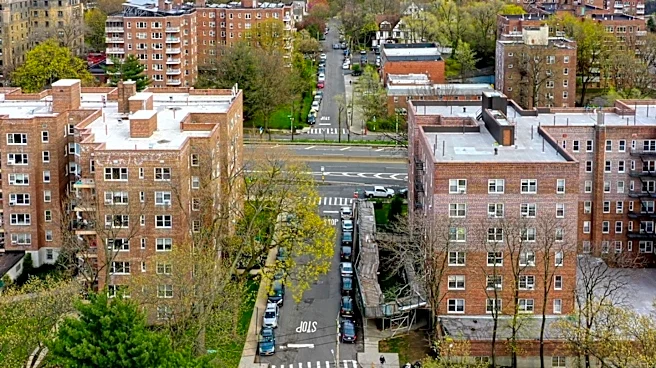
of a $636 million rehabilitation project for the Reid & Park Rock housing developments in East Brooklyn. This extensive renovation modernized 1,696 affordable homes across 87 buildings, benefiting nearly 3,000 residents. The project encompassed significant interior and exterior upgrades to apartments, improvements to building systems, enhanced security measures, and expanded resident services. Key renovations included updated kitchens and bathrooms, new flooring, appliances, modernized mechanical systems, restored building facades, improved lighting, elevator upgrades, and accessibility enhancements. Additionally, the project introduced upgraded lobbies, new community spaces, free community-wide Wi-Fi, and extensive landscaping improvements. The social service provider, Black Veterans for Social Justice (BVSJ), was selected by residents, offering case management, healthy food programs, workforce development, youth programming, and senior services. The Central Brooklyn EDC also provided capacity-building and leadership training for resident leaders.
Why It's Important?
This completed renovation project is significant for several reasons. Firstly, it represents a substantial investment in preserving and modernizing New York City's public housing stock, directly improving the living conditions and quality of life for thousands of low-income residents. The PACT program's model, which transitions developments from traditional Section 9 assistance to Project-Based Section 8, unlocks crucial funding for comprehensive repairs while ensuring long-term affordability and preserving residents' rights. This approach demonstrates a viable pathway for addressing the chronic underfunding and deterioration of public housing infrastructure. The resident-centered approach, particularly the residents' selection of the social service provider, empowers communities and ensures that services are tailored to their specific needs. This project also sets a precedent for sustainable development, having received Enterprise Green Communities certification across all 15 developments, highlighting a commitment to environmental responsibility in affordable housing initiatives. The success of such large-scale projects can serve as a model for other cities grappling with similar challenges in maintaining and upgrading their public housing assets.
What's Next?
The completion of the Reid & Park Rock renovation marks a new chapter for its nearly 3,000 residents, who will now benefit from modernized homes and enhanced services for decades to come. The ongoing partnership with Black Veterans for Social Justice (BVSJ) will continue to provide essential support services, connecting families to vital resources and fostering community well-being. The capacity-building and leadership training provided to resident leaders by the Central Brooklyn EDC will empower tenant associations to sustain community initiatives and advocate for their residents effectively. This project's success is likely to reinforce confidence in NYCHA's PACT program, potentially leading to further similar large-scale rehabilitation efforts across other aging public housing developments in New York City. Stakeholders, including NYCHA, its development partners, and financial institutions, will likely analyze the outcomes and best practices from Reid & Park Rock to refine future PACT projects, aiming to replicate its comprehensive improvements and resident-centered approach in other communities.
Beyond the Headlines
Beyond the immediate improvements, the Reid & Park Rock project highlights broader implications for urban development and social equity. The successful execution of such a massive undertaking through public-private partnerships underscores the potential for collaborative models to address complex urban challenges. It demonstrates that significant investment in affordable housing can go beyond mere structural repairs to include comprehensive community development, social services, and resident empowerment. This project also touches upon the ethical dimension of housing, affirming the right of all citizens to safe, dignified, and affordable living conditions. The emphasis on green certification reflects a growing recognition of the intersection between housing quality, environmental sustainability, and public health, suggesting a long-term shift towards more holistic and eco-conscious urban planning. Furthermore, the resident-led selection of social service providers could foster greater community ownership and resilience, potentially reducing social inequalities and improving overall neighborhood stability in the long run.