



What's Happening?
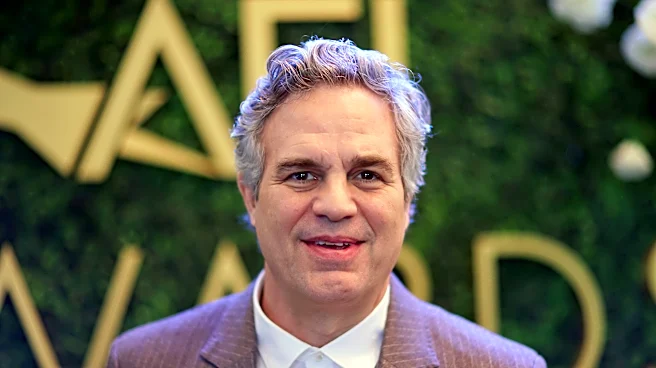
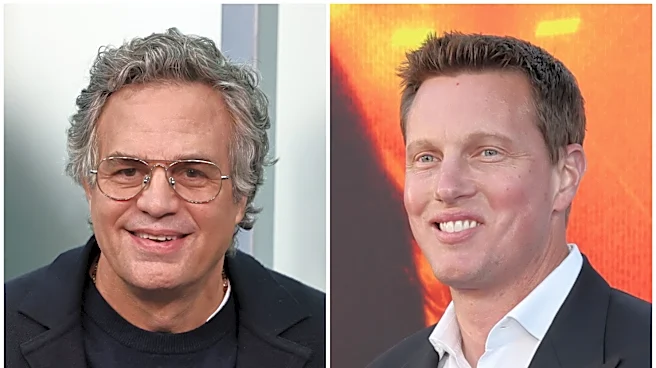
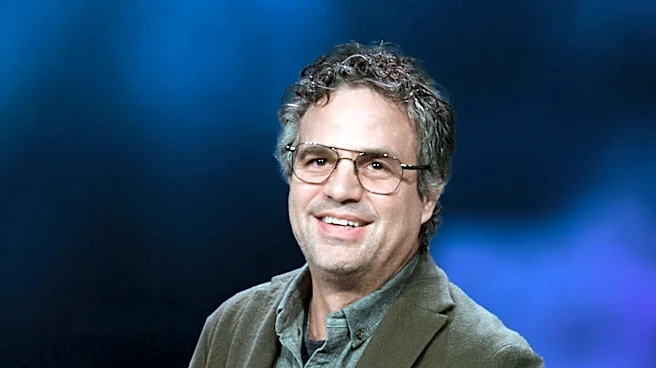
Actor Mark Ruffalo has been accused of antisemitism by Paramount and the Simon Wiesenthal Center following his criticism of Paramount's proposed merger with Warner Bros. Ruffalo linked the merger to Oracle's military technology and the Israel-Gaza conflict,
specifically referencing Oracle executive vice chair Safra Catz's comments about providing 'profoundly scary technology' to the Israeli military. Ruffalo stated that Larry Ellison, whose company Oracle is, would own most of the merged entity, which he dubbed 'Para Bros,' and characterized Ellison as an 'Oligarch' who is 'crushing workers and consolidating the wealth of the world.' Paramount responded by stating they were 'troubled when antisemitic tropes are invoked in purported service of a business dispute,' and that terms like 'genocide' and 'apartheid' applied to a corporate transaction were 'a bridge too far.' Jim Berk, CEO of the Simon Wiesenthal Center, further criticized Ruffalo, asserting that invoking Israel in an irrelevant issue is a 'textbook case of obsession and demonization.'
Why It's Important?
This incident highlights the increasing tension and scrutiny surrounding corporate mergers, particularly when they involve entities with perceived ties to geopolitical conflicts. The accusation of antisemitism against a prominent public figure like Mark Ruffalo, and his subsequent rejection of the claim, underscores the sensitive nature of discussions involving the Israel-Gaza conflict and its intersection with business interests. For Paramount, the controversy could potentially complicate public perception of its merger efforts, drawing unwanted attention to the financial backing and broader implications of the deal. For Ruffalo, the accusation could impact his public image and professional relationships, despite his clarification that his criticism targets military actions and corporate decisions, not Jewish individuals. The involvement of the Simon Wiesenthal Center further elevates the discussion, emphasizing the importance of moral clarity in public discourse and the careful use of language when addressing such sensitive topics.
What's Next?
The immediate next steps will likely involve continued public statements and reactions from Mark Ruffalo, Paramount, and potentially other advocacy groups. Ruffalo has already rejected the antisemitism accusation, emphasizing his respect for Jewish people and clarifying his criticism. Paramount may need to manage public relations carefully to mitigate any negative impact on its merger plans. The Simon Wiesenthal Center's stance suggests they will continue to monitor and comment on such public discourse. This situation could also prompt further discussions within the entertainment industry regarding the role of celebrities in political and social commentary, and the potential repercussions of their statements. The broader implications for the proposed Paramount-Warner Bros. merger, particularly concerning public and regulatory scrutiny, remain to be seen as the controversy unfolds.
Beyond the Headlines
This controversy delves into deeper implications concerning freedom of speech, corporate accountability, and the weaponization of accusations in public discourse. Ruffalo's attempt to link a corporate merger to geopolitical issues, specifically the Israel-Gaza conflict and military technology, raises questions about the ethical responsibilities of large corporations and their investors. The swift accusation of antisemitism, and Ruffalo's defense, highlights the challenges of navigating complex global issues in a polarized environment. It also underscores how easily discussions about corporate power and military-industrial connections can become entangled with accusations of prejudice, potentially stifling legitimate criticism. The incident could set a precedent for how public figures and corporations engage in debates that intersect business, politics, and human rights, potentially leading to increased caution or, conversely, more robust engagement on these sensitive topics.