




What's Happening?
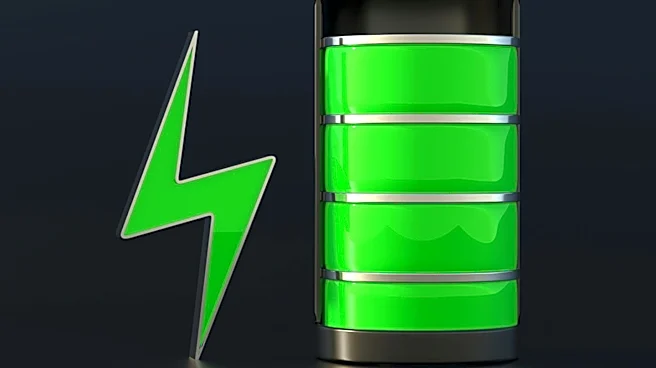
Developers in Boulder County are offering landowners $15,000 per year to host large battery energy storage systems (BESS) on their property. These BESS units, which are roughly the size of shipping containers, are designed to store electricity during
periods of low demand and release it back into the grid when demand is high. This initiative is part of Xcel Energy's first attempt to acquire commercial batteries at scale, aiming to ease pressure on the utility’s distribution system and improve overall grid performance. The search for suitable properties is focused on areas with sufficient open space and access to specific points on Xcel’s distribution network where these systems would be most beneficial. A 2024 state law, Senate Bill 24-207, mandates that investor-owned utilities like Xcel Energy acquire at least 50 megawatts of dispatchable distributed generation paired with energy storage by June 1, 2026, and an additional 50 megawatts between January 1 and June 1, 2027. While these offers support the transition to clean energy, they also raise questions for landowners regarding long-term property commitment, the adequacy of payments, and potential fire risks associated with large lithium-ion batteries.
Why It's Important?
This development is significant for the U.S. energy sector and local communities as it represents a tangible step towards integrating large-scale battery storage into the national grid, driven by clean energy mandates. The deployment of BESS can enhance grid reliability by providing electricity during peak demand, potentially reducing the need for traditional fossil-fuel 'peaker' plants. This shift could lead to more stable and cost-effective energy supply, benefiting consumers and supporting environmental goals. For landowners, these offers present a new economic opportunity, but also necessitate careful consideration of long-term contractual obligations and potential risks. The fire risk associated with large lithium-ion batteries, as highlighted by past incidents like the 2025 Moss Landing fire, underscores the importance of safety regulations and insurance coverage. The initiative also reflects a broader trend of decentralizing energy infrastructure, moving towards distributed generation that can respond to localized grid needs, which could make the grid more resilient against outages and fluctuations.
What's Next?
Xcel Energy's request for proposals for these battery projects is due on September 3, with contracts expected to be executed in November. Projects selected by Xcel will still require approval from the Colorado Public Utilities Commission. In unincorporated Boulder County, these projects would also undergo special-use reviews and public hearings before the Planning Commission and the Board of County Commissioners. Landowners considering these leases are advised to seek legal counsel to review the terms, particularly concerning property commitment, insurance, and the removal of batteries at the lease's end. The City of Boulder is also exploring the possibility of installing batteries on city-owned property, indicating a potential expansion of such initiatives. The success and safety of these initial deployments will likely influence future policies and the broader adoption of distributed battery storage across the state and potentially the nation, as other utilities may follow Colorado's lead in meeting clean energy mandates.
Beyond the Headlines
The push for distributed battery energy storage systems in Boulder County highlights a complex interplay between environmental goals, technological advancements, and property rights. While these systems are crucial for transitioning to clean energy and stabilizing the grid, they introduce new challenges for local governance and individual landowners. The long-term leases, potentially spanning decades, could significantly impact property values and future land use, raising ethical questions about equitable compensation and the balance between public utility needs and private property autonomy. Furthermore, the reliance on lithium-ion technology, despite its cost-effectiveness, brings inherent safety concerns that require robust regulatory oversight and public education. The development of alternative battery technologies with lower fire risks, such as aqueous systems, remains a critical area for research and investment to ensure the sustainable and safe expansion of energy storage infrastructure. This initiative serves as a microcosm of the broader societal adjustments required to achieve a sustainable energy future.