
What's Happening?
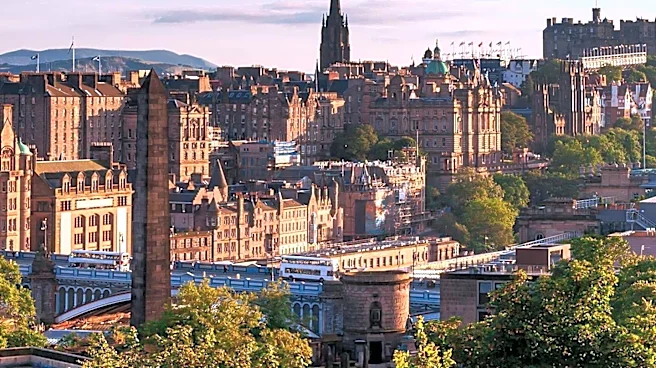
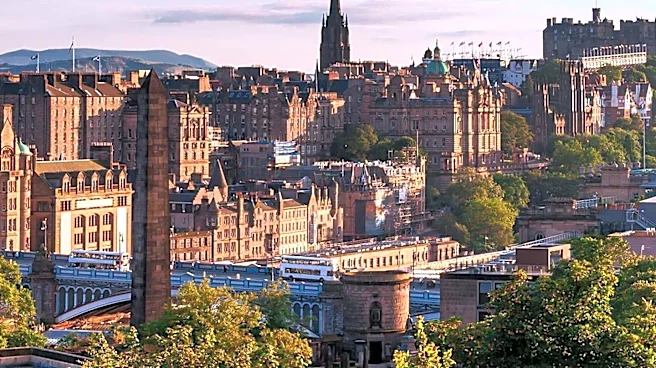
Edinburgh, Scotland, has introduced a tourist tax on overnight stays, becoming the first city in the United Kingdom to do so. Effective July 24, 2026, the tax imposes a 5% charge on accommodation costs
for up to five consecutive nights. This initiative follows the Scottish government's 2024 Visitor Levy Bill, which allows cities to implement their own tourist taxes. The tax aims to address the pressures of overtourism by funding city projects such as upgrading public spaces, enhancing parks, and restoring cultural sites. The revenue is expected to generate over $67 million annually, which will be reinvested into the city's infrastructure and services.
Why It's Important?
The introduction of the tourist tax in Edinburgh reflects a growing trend among popular tourist destinations to manage the impacts of overtourism. By generating additional revenue, the city can improve public services and maintain its appeal as a tourist destination. This move is significant for the tourism industry as it highlights the need for sustainable tourism practices that balance economic benefits with the well-being of local communities. The tax also sets a precedent for other cities in the UK and beyond, potentially influencing future tourism policies and strategies.
What's Next?
Following Edinburgh's lead, Glasgow is set to implement a similar tourist tax starting January 1, 2027. The success of Edinburgh's initiative could encourage other cities to adopt similar measures. Stakeholders in the tourism industry, including accommodation providers and local businesses, will need to adapt to the new tax structure. The effectiveness of the tax in managing tourism impacts and funding city projects will likely be closely monitored, potentially influencing future policy decisions in Scotland and other regions.