







What's Happening?
Mexico's national Congress has approved a reform to the Federal Law of Duties, which will result in a 17.8% increase in the Non-Resident Fee (DNR) for foreign tourists starting January 1, 2027. Foreign visitors entering Mexico without permission for paid
activities will now pay 1,158 Mexican pesos per person, up from 983 pesos in 2026. This amount translates to over US$60 at current exchange rates. The reform was passed by the Chamber of Deputies on October 13 and subsequently approved by the Senate at the end of the same month. The DNR is a federal contribution typically included in international air ticket prices. Exemptions apply to Mexican citizens, legal residents, and land visitors staying up to seven days. The Mexican government states that the fee adjustment aims to bolster infrastructure and public services related to tourism and migration. Additionally, the reform modifies fees for airspace use and certain rail services, impacting transportation companies' operating costs.
Why It's Important?
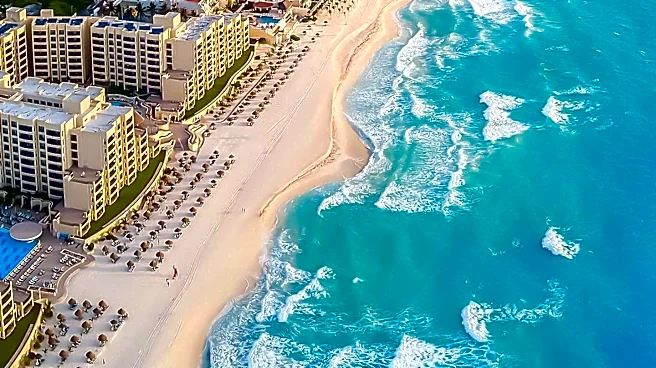
This increase in Mexico's Non-Resident Fee is significant for the U.S. tourism industry and American travelers, as Mexico is a popular destination. The additional cost, while seemingly small within a total travel budget, contributes to the overall expense of visiting Mexico. Travel agencies and tour operators in the U.S. will need to factor this updated fee into their 2027 package pricing and service offerings, potentially affecting competitiveness against other Central American and Caribbean destinations. The Mexican government's allocation of the revenue from this fee is also notable: 57% will go to the Ministry of National Defense (Sedena), 15% to the National Migration Institute, and 28% to the Federal Treasury. This distribution indicates a strategic focus on national security and migration management alongside tourism infrastructure, which could have broader implications for border policies and security measures affecting U.S. citizens traveling to Mexico.
What's Next?
As of January 1, 2027, foreign tourists will begin paying the increased DNR. U.S. travel agencies and tour operators will need to update their pricing structures and inform clients about the revised fee. The Mexican government will proceed with allocating the increased revenue to the Ministry of National Defense, the National Migration Institute, and the Federal Treasury, as stipulated by the reform. This could lead to enhanced infrastructure and public services in tourist areas and along migration routes. The travel trade in Mexico, which has previously criticized accumulated taxes and fees for potentially reducing the country's competitiveness, may continue to voice concerns regarding the impact of these rising costs on tourism volumes. Future discussions could revolve around the effectiveness of these fees in improving services and infrastructure versus their potential deterrent effect on international visitors.
Beyond the Headlines
The increase in Mexico's Non-Resident Fee reflects a broader trend among popular tourist destinations to leverage tourism for national development and security objectives. The significant allocation of funds to the Ministry of National Defense suggests a strategic prioritization of national security, potentially linked to ongoing efforts to manage migration flows and combat organized crime, which could indirectly affect the travel experience for U.S. tourists. This move also highlights the delicate balance governments face between generating revenue from tourism and maintaining affordability and competitiveness. The long-term implications could include a shift in tourist demographics if the cumulative cost of visiting Mexico becomes prohibitive for certain segments, or it could spur further investment in tourism infrastructure that enhances the visitor experience, thereby justifying the increased fees. The reform also signals Mexico's intent to strengthen its control over its borders and internal security through financial mechanisms tied to international arrivals.