

What's Happening?
The 61st edition of the Venice Biennale, a renowned international art exhibition, is set to open on May 9, 2026. This event, known for its historical significance and global reach, will feature a main exhibition following the curatorial vision of the late
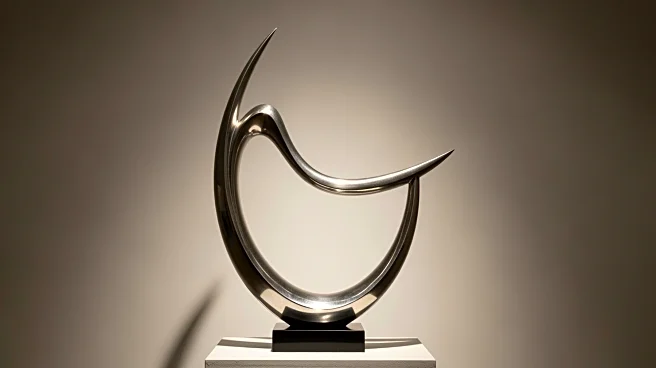
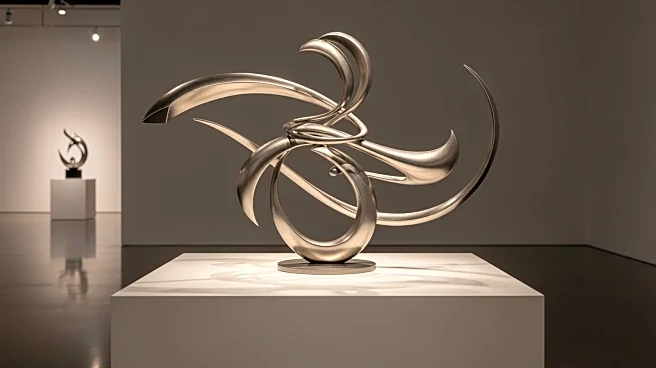
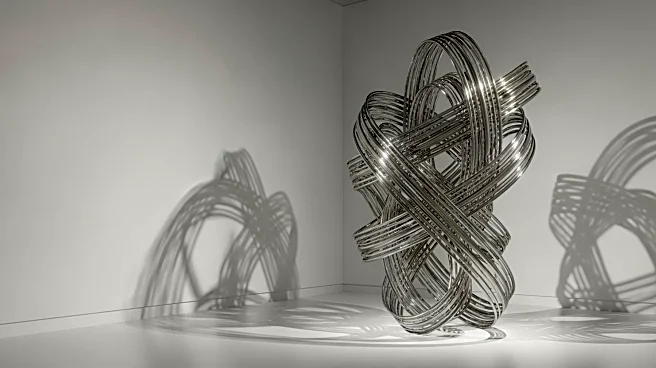
Koyo Kouoh. Countries worldwide have begun announcing their representatives for the national pavilions, showcasing a diverse array of artists and curators. Notable participants include Khaled Sabsabi for Australia, Florentina Holzinger for Austria, and Alma Allen for the United States. The Biennale will take place across various venues in Venice, including the Giardini and Arsenale, and will run until November 22, 2026. This year's event promises to highlight a wide range of artistic expressions and cultural narratives, reflecting the Biennale's commitment to fostering international dialogue through art.
Why It's Important?
The Venice Biennale is a pivotal event in the art world, offering a platform for artists to gain international recognition and for countries to showcase their cultural heritage. The participation of diverse artists and curators underscores the Biennale's role in promoting cultural exchange and understanding. For the United States, represented by sculptor Alma Allen, this event provides an opportunity to highlight American contemporary art on a global stage. The Biennale also influences art markets, trends, and cultural policies, impacting artists' careers and the global art economy. By bringing together artists from various backgrounds, the Biennale fosters a dialogue that can lead to new artistic collaborations and innovations.
What's Next?
As the opening date approaches, participating countries will continue to finalize their pavilion plans and prepare for the exhibition. Artists and curators will engage in the installation of their works, ensuring that their presentations align with the Biennale's themes and objectives. The event is expected to attract art enthusiasts, collectors, and critics from around the world, potentially influencing future art exhibitions and cultural policies. The Biennale's outcomes may also affect the careers of participating artists, offering them increased visibility and opportunities for future projects.
Beyond the Headlines
The Venice Biennale not only showcases contemporary art but also reflects broader cultural and political dynamics. The selection of artists and themes often mirrors current global issues, such as identity, migration, and environmental concerns. This year's Biennale may address these topics, providing a space for critical reflection and discussion. Additionally, the event highlights the role of art in diplomacy, as countries use their pavilions to project cultural soft power and foster international relations. The Biennale's impact extends beyond the art world, influencing cultural tourism and local economies in Venice.