




What's Happening?
Nearly half of Hawai'i's public schools are operating with aging and unreliable fire alarm systems, according to a recent report from the state education department. While significant progress has been made in recent years, with only three schools currently
having alarms in critical, broken, or significantly impaired condition (Hilo Intermediate, Waikele Elementary, and Pāhoa High and Intermediate School), 120 schools have systems in 'poor condition' due to age, recurring issues, or outdated parts. Another 73 schools have alarms in 'fair condition,' requiring future maintenance. Five schools, including the three in critical condition, are currently on fire watch, necessitating staff patrols for fire signs. This situation marks an improvement from 2023, when over two dozen schools had critically impaired alarms. The state legislature has allocated over $85 million for health and safety construction projects, including fire alarms, in the current budget, though past funding has been inconsistent.
Why It's Important?
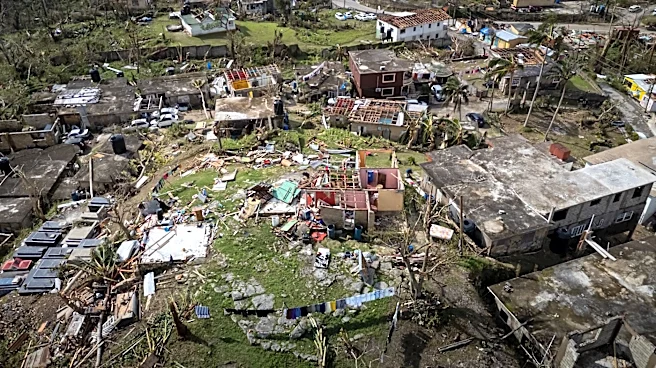
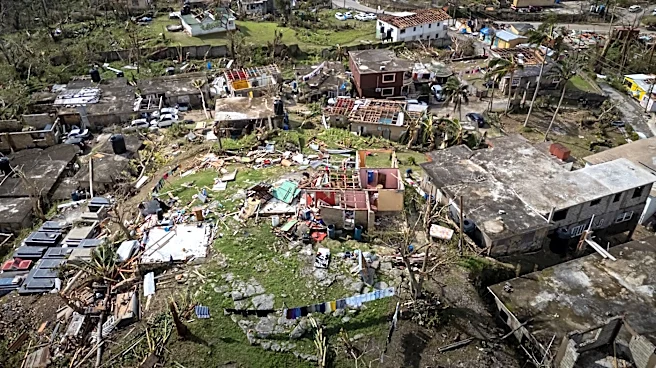
The prevalence of unreliable fire alarm systems in Hawai'i schools poses a significant safety risk to students and staff, particularly in a state that recently experienced devastating wildfires. The 2023 Maui wildfires, which destroyed an elementary school, underscore the critical need for robust fire safety infrastructure. While no students were on campus during that incident, the current situation means that in the event of a fire, early detection and evacuation could be compromised in a substantial number of schools. This issue impacts public trust in the education system's ability to ensure student safety and could lead to increased anxiety among parents and educators. The inconsistent funding for these projects highlights a broader challenge in prioritizing and maintaining essential public infrastructure, potentially leading to higher costs and greater risks in the long run.
What's Next?
The Hawai'i Department of Education is actively working on addressing the fire alarm issues. Currently, 20 fire alarm projects are under construction, 10 are in the design phase, and seven more schools are being evaluated for future improvements. The estimated costs for these projects vary widely, from under $250,000 to over $6 million. Public Works Administrator Jadine Urasaki emphasized that all funding received is being utilized to gradually improve the situation. The department completed seven alarm projects in the past year, indicating ongoing efforts. Lawmakers and the education department will likely continue to monitor the progress of these repairs and assess future funding needs, especially given the legislative resolution passed in 2023 requesting a list of schools needing repairs and the findings of a working group on fire safety.
Beyond the Headlines
The issue of unreliable fire alarms in Hawai'i schools extends beyond immediate safety concerns, touching upon broader themes of infrastructure investment, legislative priorities, and community resilience. The underfunding of school health and safety projects in previous years, despite departmental requests, points to a systemic challenge in allocating resources for preventative measures. The heightened awareness following the 2023 Maui wildfires has likely spurred more urgent action, but it also raises questions about proactive maintenance versus reactive responses to crises. This situation could influence future legislative debates on budget allocations for public education and infrastructure, potentially leading to more stringent requirements for school safety audits and dedicated funding streams. It also highlights the ethical responsibility of the state to provide a safe learning environment for all students, especially in a region prone to natural disasters.