





What's Happening?
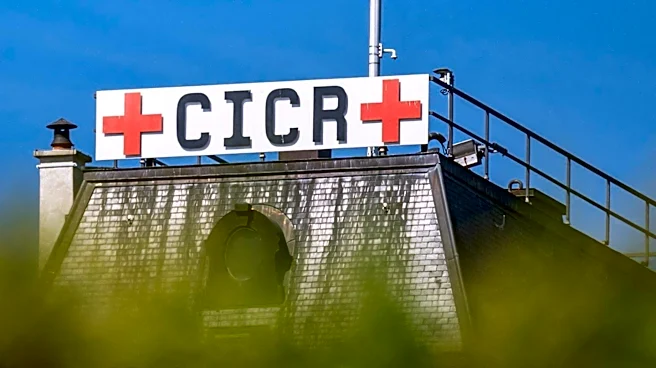
The International Committee of the Red Cross (ICRC) has called on journalists to adopt a human-centered approach when reporting on conflicts, moving beyond mere statistics to highlight the personal stories of those affected. This appeal was made by ICRC Public
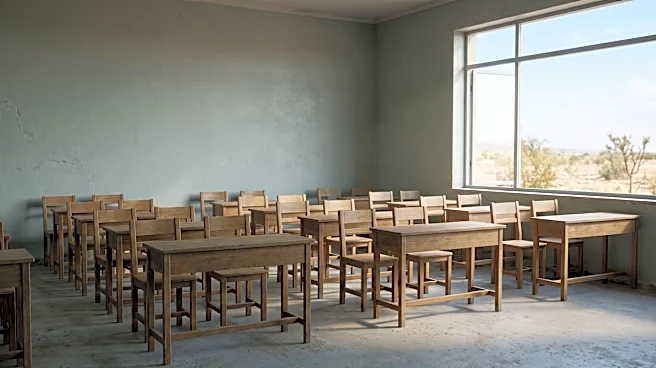
Relations Officer Aliyu Dawobe during a two-day training session for journalists in Lagos, Nigeria. The training aimed to equip media professionals with the skills to identify and report on humanitarian issues, including the plight of missing persons, trauma, hunger, malnutrition, and the disruption of livelihoods and education in conflict-affected communities. Dawobe emphasized that while figures are important, it is crucial to convey the human impact behind these numbers, such as individuals lacking access to medication, food, or family reunification. The humanitarian situation in regions like Nigeria's North-East remains critical, with millions requiring assistance and over three million suffering from malnutrition, alongside prolonged family separations.
Why It's Important?
This initiative by the ICRC is important because it seeks to reshape public perception and understanding of armed conflicts. By encouraging human-centered reporting, the ICRC aims to foster greater empathy and awareness among the global audience regarding the severe and multifaceted consequences of war on civilians. This approach can influence public opinion and potentially pressure international bodies and governments to provide more robust humanitarian aid and diplomatic solutions. For the U.S., such reporting can inform foreign policy decisions, humanitarian aid allocations, and public discourse on international interventions. It also highlights the critical role of media in conflict zones, underscoring the ethical responsibility of journalists to portray the human cost of war accurately and empathetically, thereby potentially mobilizing support for international humanitarian law and protection efforts.
What's Next?
The ICRC plans to continue its training initiatives for journalists, with approximately 50 journalists being engaged in two batches to enhance their conflict reporting skills. The focus will remain on human-angle stories and incorporating International Humanitarian Law into their coverage. This ongoing effort is expected to lead to more nuanced and impactful reporting from conflict zones, potentially influencing how international aid organizations, governments, and the public respond to humanitarian crises. Increased awareness of international humanitarian law among journalists and, subsequently, the public, could also encourage greater respect for these laws by armed actors, potentially reducing civilian suffering in future conflicts. The ICRC will likely monitor the impact of this training on media coverage and continue to advocate for responsible and empathetic journalism.
Beyond the Headlines
The ICRC's call for human-centered reporting delves into the deeper ethical and cultural dimensions of journalism in conflict. It challenges the conventional, often statistics-driven, narrative of war, urging a shift towards stories that emphasize individual experiences and resilience. This approach can combat 'compassion fatigue' by making distant conflicts more relatable and personal to audiences. Furthermore, by advocating for the inclusion of International Humanitarian Law in reporting, the ICRC aims to educate the public and armed actors alike about the rules of warfare, fostering a culture of accountability and protection for non-combatants. This initiative also highlights the power of media to shape not just public opinion, but also the operational environment for humanitarian organizations, potentially leading to safer access for aid workers and better protection for affected populations. It underscores the long-term societal impact of how conflicts are portrayed, influencing historical memory and future peace-building efforts.