






What's Happening?
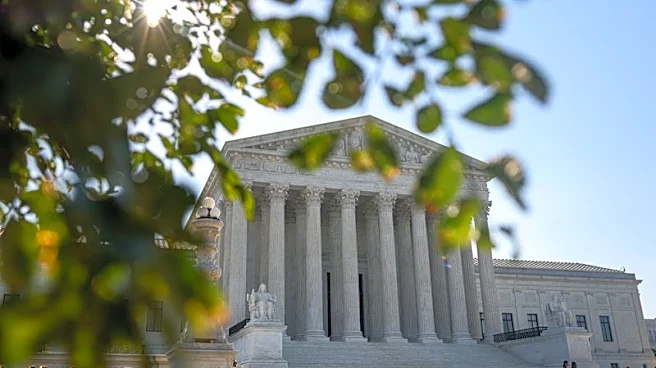
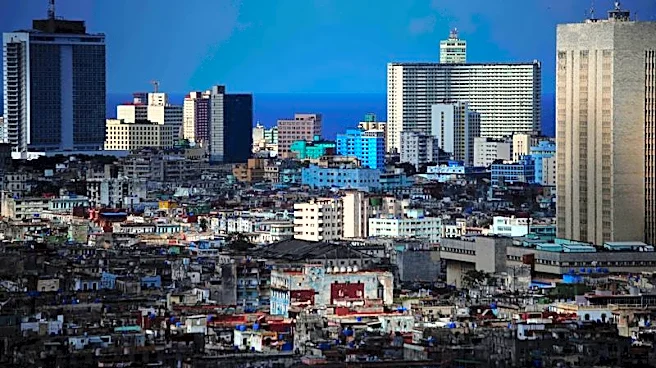
The U.S. Supreme Court has decided to allow a lawsuit to proceed against major cruise lines, including Royal Caribbean Cruises and Carnival Corporation, over their use of Havana docks that were confiscated by the Cuban government in 1960. The decision,
written by Justice Clarence Thomas in an 8-1 majority, comes as the Trump administration intensifies economic and political pressure on Cuba. The lawsuit claims that the cruise lines trafficked in property confiscated by the Cuban government when they docked their ships in Havana from 2015 to 2019. The case is significant as it involves property seized shortly after Fidel Castro's rise to power and is tied to a 1996 U.S. law allowing nationals to sue over confiscated property.
Why It's Important?
This Supreme Court decision has significant implications for U.S.-Cuba relations and the cruise industry. It represents a legal challenge for cruise companies that have operated in Cuba, potentially leading to financial liabilities and affecting their operations. The decision also reflects the broader U.S. policy stance towards Cuba, as the Trump administration seeks to exert pressure on the Cuban government. The case highlights the complexities of international property rights and the legal ramifications of historical confiscations, impacting U.S. businesses operating in foreign jurisdictions.
What's Next?
The lawsuit will now proceed in the lower courts, where the cruise lines will have to defend their use of the Havana docks. The outcome could set a precedent for similar cases involving confiscated property and influence future U.S. business dealings in Cuba. The Trump administration's stance on Cuba, including potential changes to the embargo, will also play a crucial role in shaping the legal and economic landscape for U.S. companies operating in the region. Stakeholders will be closely watching for any policy announcements or legal developments that could affect U.S.-Cuba relations and the cruise industry.