



What's Happening?
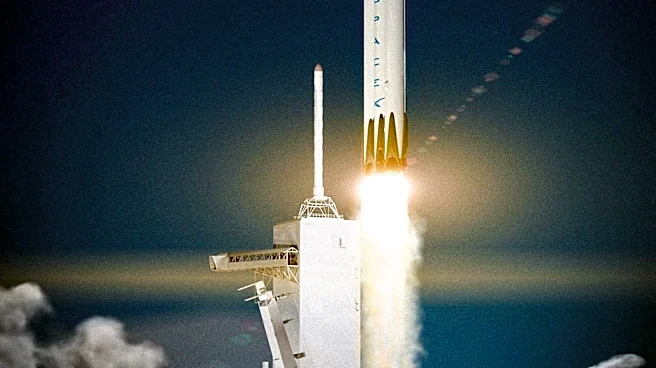
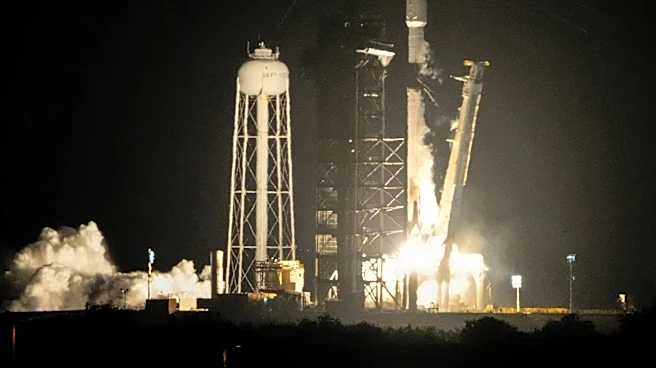
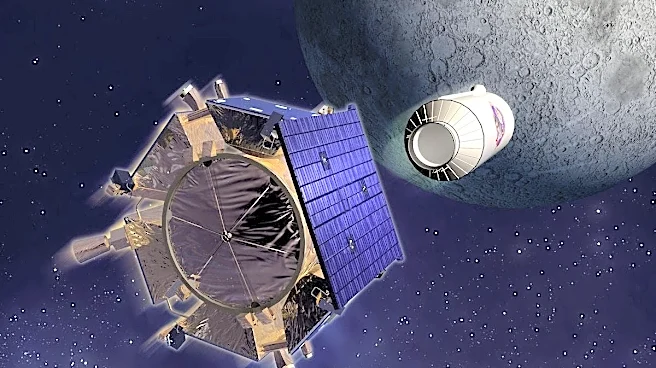
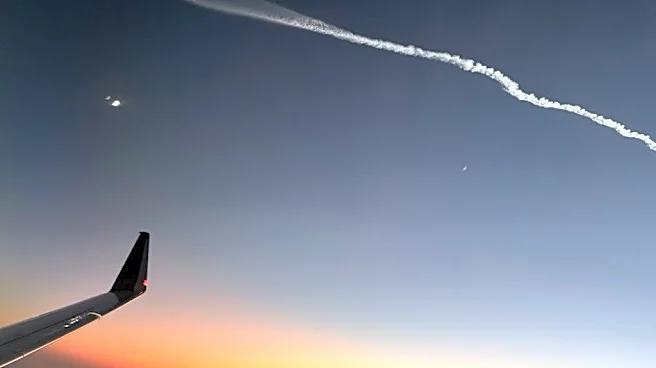
A drifting SpaceX rocket is on a collision course with the moon after launching a pair of lunar landers more than a year ago. The rocket's upper stage will unintentionally slam into the moon, carving out a crater and sending up a plume of dust and rubble.
This event is of interest to scientists and skygazers, as it provides an opportunity to observe the impact and its effects. The collision is expected to occur near Einstein Crater on the moon's sunlit western limb, with the eastern portions of the U.S. and Canada having the best views. The impact highlights the growing issue of space debris as more objects are launched into orbit.
Why It's Important?
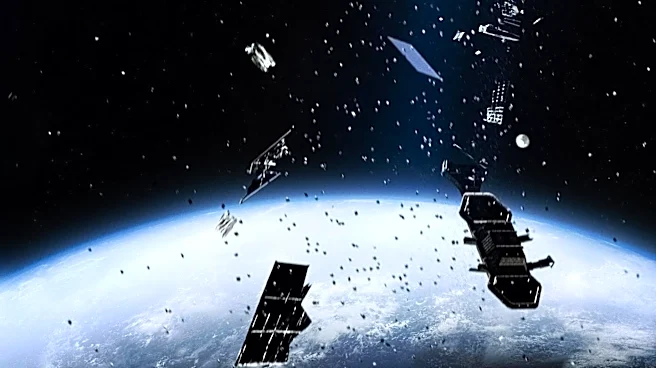
The impending collision of the SpaceX rocket with the moon underscores the increasing problem of space debris and its potential hazards. As space exploration and commercial activities expand, the risk of accidental impacts and the accumulation of debris in orbit become more significant. This event serves as a reminder of the need for improved debris monitoring and traffic control in space to ensure the safety of future missions. The observations from this collision could provide valuable data on the effects of impacts on the lunar surface, which is crucial for planning future lunar missions and understanding the risks posed by space debris.
What's Next?
Following the collision, scientists will analyze the data collected from the impact to assess the potential hazards of debris impacts on future lunar missions. NASA's Lunar Reconnaissance Orbiter and South Korea's Danuri lunar orbiter will gather before-and-after shots of the crash scene. This information will be used to improve safety measures for future space missions and to develop strategies for managing space debris. The event also highlights the need for international cooperation in addressing the challenges of space exploration and debris management.
Beyond the Headlines
The collision of the SpaceX rocket with the moon raises broader questions about the sustainability of space exploration and the ethical considerations of leaving debris in space. As more countries and private companies engage in space activities, the need for international regulations and agreements on space debris management becomes increasingly important. This event may prompt discussions on the development of policies to ensure the long-term sustainability of space exploration and the protection of celestial bodies from human-made impacts.