







What's Happening?
President Trump has indicated that the United States is unlikely to extend the ceasefire with Iran unless a deal is reached. The ceasefire, initially announced on April 7, is set to expire soon, with President Trump emphasizing the importance of securing
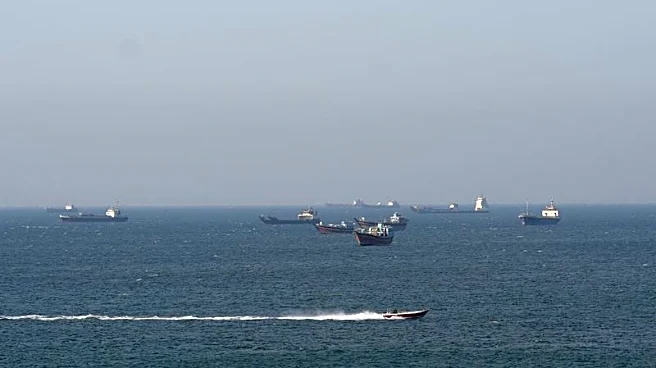
a favorable agreement. The U.S. naval blockade outside the Strait of Hormuz remains in place, affecting global oil shipping routes. Iran has expressed a desire to reopen the Strait, linking it to the lifting of the blockade.
Why It's Important?
The potential expiration of the ceasefire and continued blockade of the Strait of Hormuz have significant implications for global oil markets. The Strait is a critical passage for oil shipments, and its closure could disrupt supply chains, leading to volatility in oil prices. The situation underscores the geopolitical risks associated with energy markets, impacting stakeholders from oil producers to consumers. The U.S.-Iran negotiations are crucial for stabilizing the region and ensuring the free flow of oil.
What's Next?
As the ceasefire deadline approaches, stakeholders are closely monitoring the situation for any developments in U.S.-Iran negotiations. The outcome of these talks could influence oil prices and market stability. Industry players may need to adjust their strategies in response to potential disruptions in supply chains. The geopolitical landscape will continue to shape energy policies and international relations.