






What's Happening?
The Congressional Budget Office (CBO) has reported a significant increase in the U.S. budget deficit, which is projected to reach $2.1 trillion for fiscal year 2026. This increase is largely attributed to a $200 billion shortfall in tariff revenue following
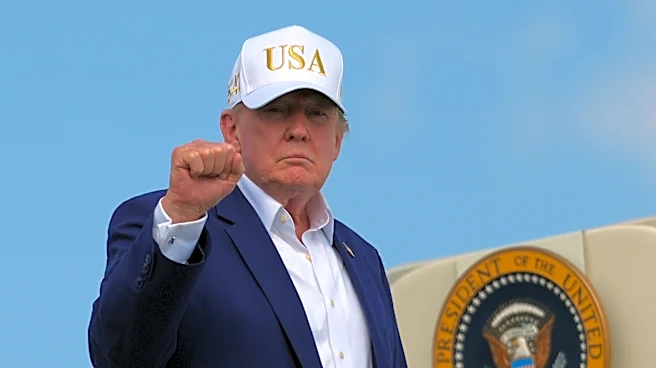
a Supreme Court ruling that invalidated President Trump's tariff program under the International Emergency Economic Powers Act. The ruling has led to a 60% drop in expected tariff collections, with the government now refunding more in tariffs than it collects. The administration has attempted to replace the lost revenue with new tariffs under different legal authorities, but these efforts have not fully compensated for the loss.
Why It's Important?
The deficit increase highlights the volatility and legal risks associated with relying on tariffs as a significant revenue stream. The shortfall has exacerbated an already deteriorating budget situation, with the U.S. borrowing $1.8 trillion in the fiscal year to date. This situation underscores the challenges of balancing fiscal policy with legal constraints and the economic impacts of tariff policies. The deficit's growth could have long-term implications for U.S. fiscal health, potentially affecting interest rates, inflation, and economic growth.
What's Next?
The administration is expected to continue seeking alternative revenue sources to offset the tariff shortfall. This may involve further adjustments to tariff policies or exploring other fiscal measures. The ongoing legal and political challenges surrounding tariff implementation will likely influence future policy decisions. Additionally, the growing deficit may prompt discussions on fiscal responsibility and potential reforms to address the structural issues in the U.S. budget.