



What's Happening?
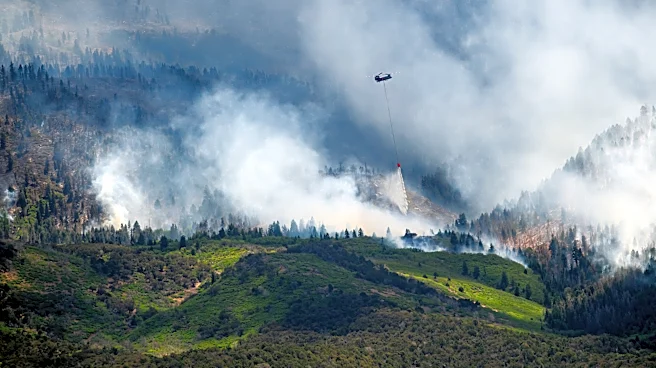
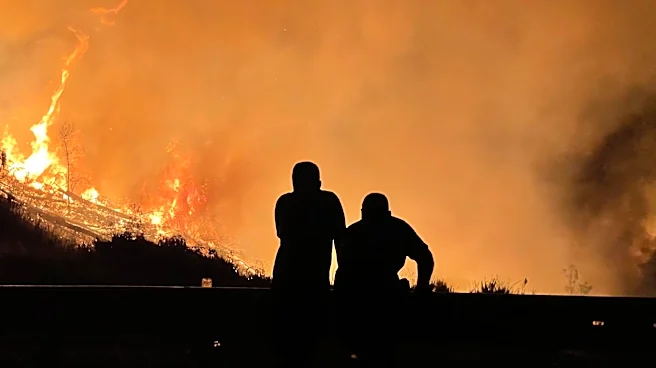
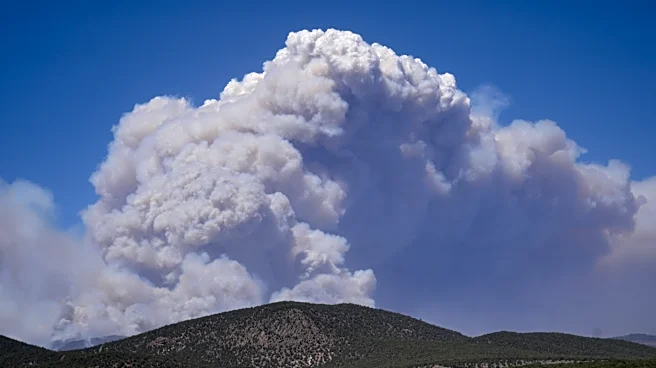
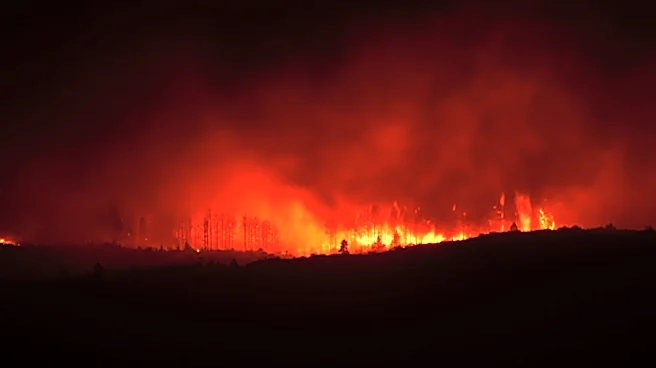
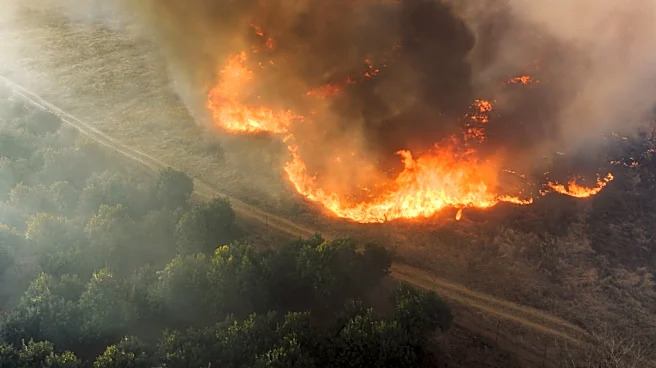
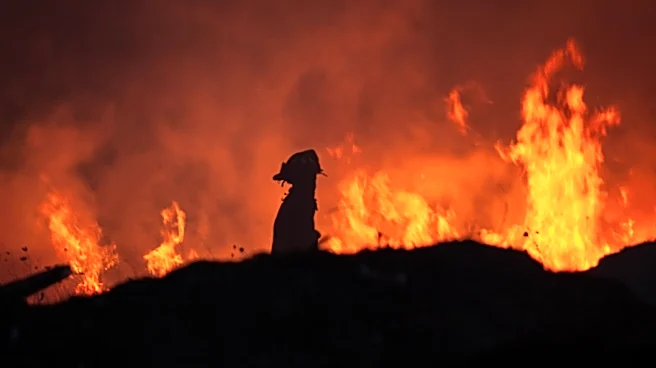
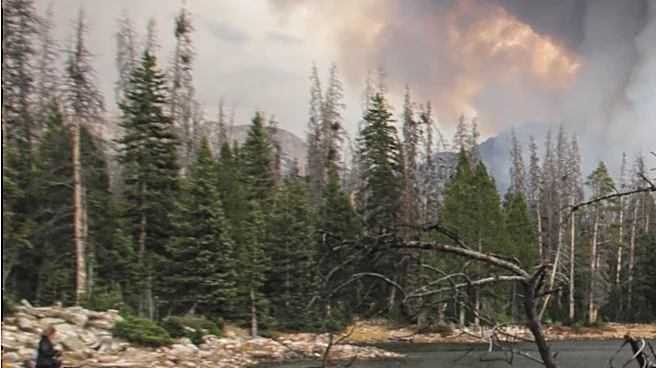
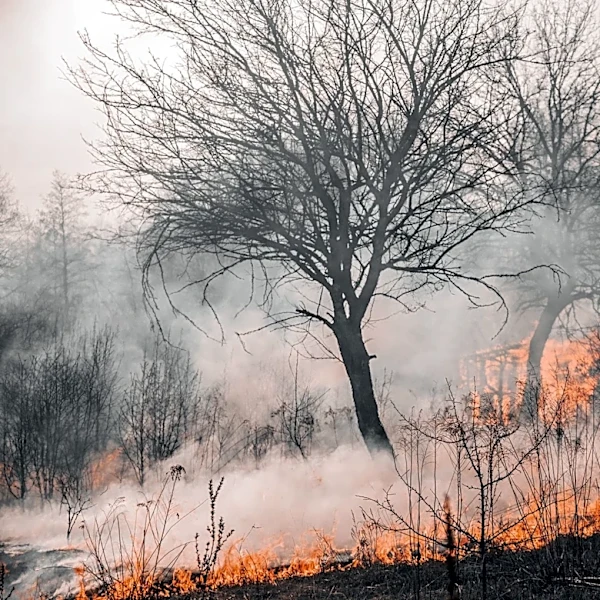
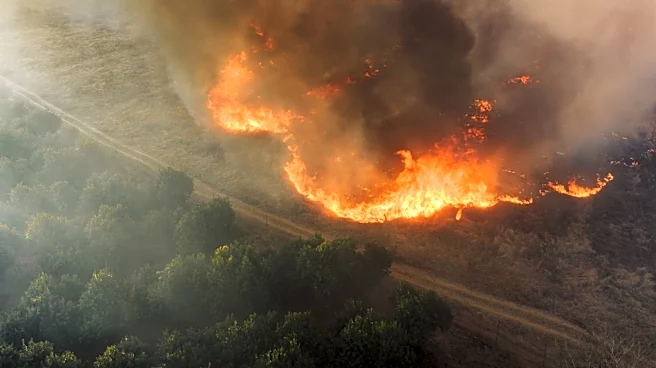
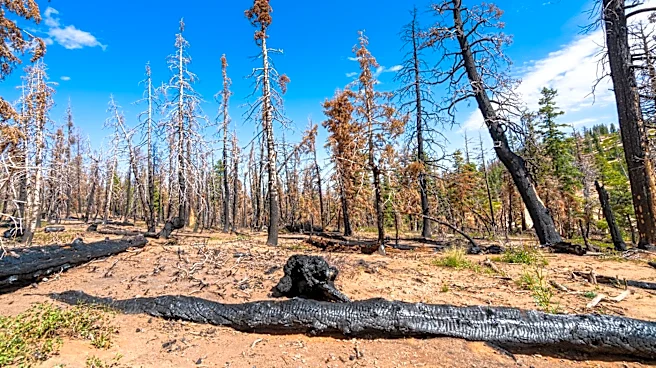
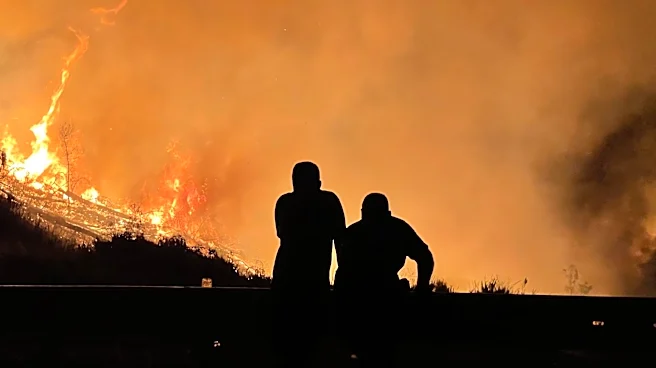
Wildfires continue to burn across the United States, affecting millions of acres and destroying numerous structures. The National Interagency Fire Center is monitoring the largest active wildfires, with a focus on their impact on air quality. The fires are
particularly intense in Western states like California, exacerbated by a warming climate and dry conditions. The U.S. Air Quality Index is being tracked hourly to inform residents about health risks associated with fine particulate matter in wildfire smoke.
Why It's Important?
Wildfires pose significant risks to public health, property, and the environment. The smoke from these fires can lead to respiratory issues and other health problems, especially for vulnerable populations. The economic impact is also substantial, with costs related to firefighting efforts, property damage, and healthcare. Understanding the patterns and impacts of wildfires is crucial for developing effective mitigation and response strategies, as well as for informing public policy on climate change and land management.
What's Next?
Continued monitoring and reporting on wildfire activity and air quality are expected. Efforts to improve fire management practices and reduce the risk of future fires may be prioritized. Public health advisories and community support initiatives, such as providing air quality information and resources for affected residents, will likely continue. The data collected could inform future policy decisions on climate adaptation and emergency preparedness.