



What's Happening?
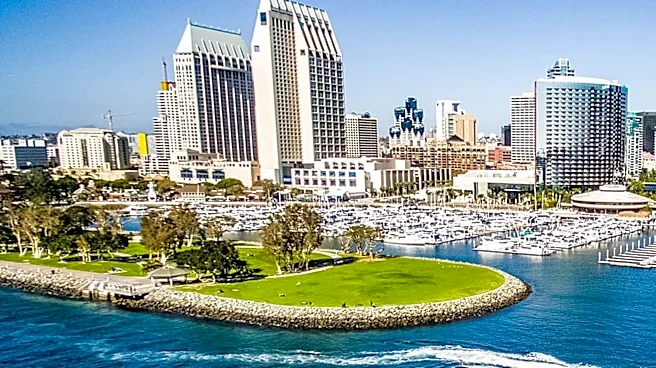
San Diego County has initiated the 'From Waste to Worth: A Circular Economy for Regional Prosperity' project, aiming to reduce waste and build a more sustainable local economy. This initiative focuses on keeping materials in use through practices such
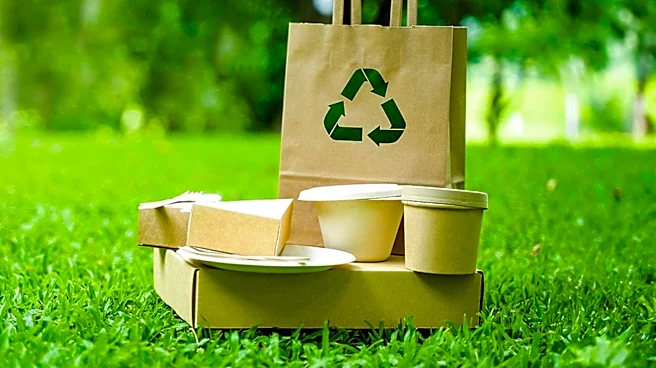
as sharing, reusing, repairing, remanufacturing, and upcycling existing materials and products. The project seeks to support local businesses, entrepreneurs, and community leadership by exploring innovative ways to manage resources. A circular economy model, where products and materials remain in use through maintenance, reuse, recycling, and composting, is central to this effort. The county has conducted a baseline assessment, evaluated existing policies and programs, and gathered stakeholder input through interviews, workshops, and surveys. Key themes identified include the need for more space and infrastructure for storage, sorting, repair, and reuse hubs, particularly in East and South County. Other areas of focus are workforce development in repair and deconstruction, clearer policy and permitting pathways, extended producer responsibility, and community-centered education.
Why It's Important?
This initiative is significant for San Diego County as it aims to create a more resilient and sustainable local economy. By promoting a circular economy, the county intends to reduce landfill waste, conserve natural resources, and stimulate local economic growth through new business opportunities in reuse, repair, and remanufacturing. The project's emphasis on supporting local businesses and entrepreneurs can lead to job creation and foster innovation within the region. Addressing infrastructure gaps, such as the lack of reuse hubs, is crucial for the practical implementation of circular economy principles. Furthermore, the focus on workforce development will equip residents with valuable skills in areas like textile repair and deconstruction, contributing to a skilled labor force. The push for clearer policies and extended producer responsibility could set new standards for waste management and product lifecycle accountability, potentially influencing broader regional and national sustainability efforts.
What's Next?
The next phase of the 'From Waste to Worth' project involves the release of a Draft Roadmap. This roadmap will integrate the baseline assessment findings and stakeholder input to identify specific strategies across five key themes: governance, policy, and regulation; financial mechanisms and market signals; circular infrastructure; research and innovation; and communication, education, and culture change. The roadmap will also focus on four priority sectors: building materials, plastics, textiles, and a cross-cutting sector for strategies applicable across multiple areas. For each priority sector, the roadmap will outline recommended actions, including summary descriptions, local examples, implementation considerations (metrics/data points), potential partners, and global case studies. Public input will continue to be a vital component, with opportunities for community members to review materials, share information, and provide feedback on the draft roadmap.
Beyond the Headlines
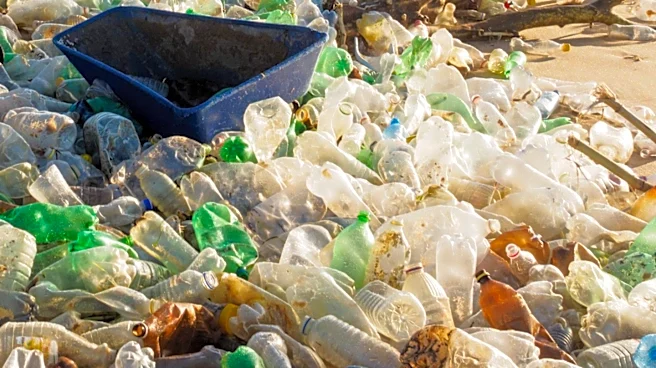
The 'From Waste to Worth' initiative in San Diego County represents a broader shift towards sustainable resource management that extends beyond traditional recycling. By embracing a circular economy, the county is addressing not only environmental concerns but also economic and social dimensions. The project's focus on community-centered education and culturally relevant learning highlights an understanding that successful sustainability initiatives require broad public engagement and tailored approaches. The challenges identified, such as the need for infrastructure and workforce development, underscore the systemic changes required to transition from a linear 'take-make-dispose' model to a circular one. This initiative could serve as a model for other U.S. counties and cities looking to implement comprehensive circular economy strategies, demonstrating how local governments can drive innovation, create green jobs, and build more resilient communities by rethinking waste as a valuable resource.