






What's Happening?
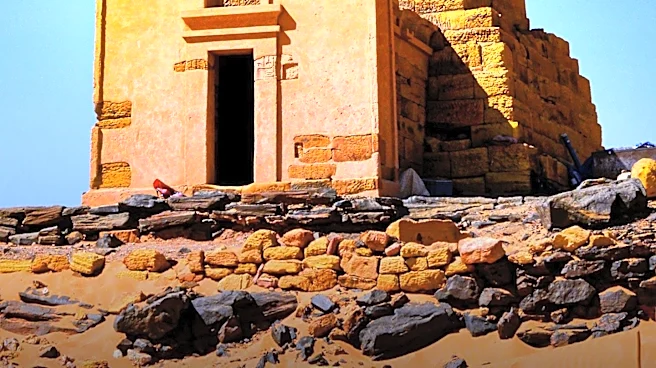
Al-Ula, an ancient oasis located in north-western Saudi Arabia, is gaining prominence as a significant archaeological and cultural tourism destination. The region is home to the Nabataean tombs of Hegra, which was inscribed on the UNESCO World Heritage
List in 2008, marking it as Saudi Arabia’s first World Heritage property. Al-Ula is recognized for its dramatic sandstone formations, desert valleys, historic oasis landscapes, and substantial archaeological heritage, including rock-cut monuments that provide insights into Nabataean civilization and ancient caravan routes. The Royal Commission for AlUla is actively developing the area, focusing on heritage preservation, economic diversification, and enhancing community facilities. This development is part of Saudi Arabia's broader Vision 2030 initiative, which aims to transform the nation's economy.
Why It's Important?
The development of Al-Ula is a crucial component of Saudi Arabia's Vision 2030, a strategic framework to reduce the country's dependence on oil and diversify its economy. By investing heavily in cultural tourism and heritage sites like Al-Ula, Saudi Arabia aims to attract a significant number of international visitors, thereby boosting its tourism sector and creating new economic opportunities. This initiative is projected to generate 38,000 new jobs and contribute SAR120 billion (approximately $32 billion USD) to the national GDP by 2035. The focus on preserving and showcasing ancient civilizations and natural landscapes also positions Saudi Arabia as a major player in the global cultural tourism market, potentially shifting perceptions and fostering international engagement beyond its traditional economic sectors.
What's Next?
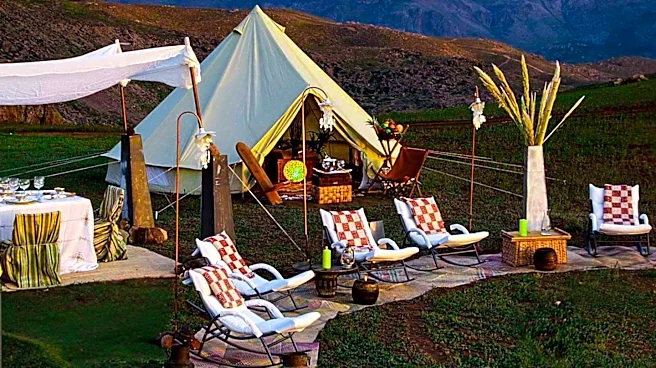
The Royal Commission for AlUla is expected to continue its extensive development projects, which include further archaeological research, infrastructure improvements, and the establishment of new visitor experiences. Future plans likely involve expanding accommodation options, enhancing transportation links, and developing educational programs to support the growing tourism industry. The ongoing efforts will focus on balancing heritage preservation with sustainable tourism practices to ensure the long-term viability of Al-Ula as a premier destination. Additionally, marketing campaigns will likely intensify to attract a diverse range of tourists, from history enthusiasts to adventure travelers, as Saudi Arabia strives to meet its ambitious Vision 2030 targets for economic diversification and job creation.
Beyond the Headlines
The transformation of Al-Ula into a global tourism destination carries deeper implications for Saudi Arabia's cultural identity and international relations. By highlighting its rich pre-Islamic history and archaeological treasures, the kingdom is presenting a more multifaceted image to the world, moving beyond its oil-centric and religiously conservative reputation. This cultural pivot could foster greater cross-cultural understanding and dialogue, as visitors engage with ancient civilizations and unique natural landscapes. However, it also raises questions about the careful management of rapid development, the potential impact on local communities, and the ethical considerations of tourism in a region with complex geopolitical dynamics. The success of Al-Ula will serve as a significant case study for other nations seeking to leverage their heritage for economic growth while navigating modern challenges.