
What's Happening?
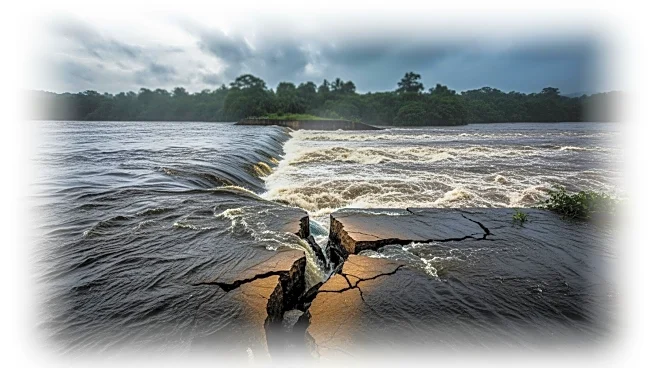
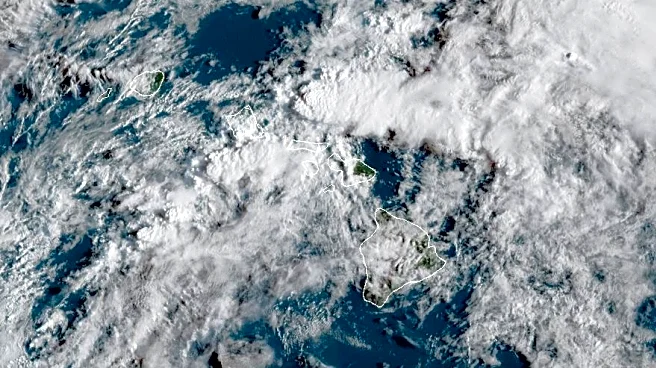
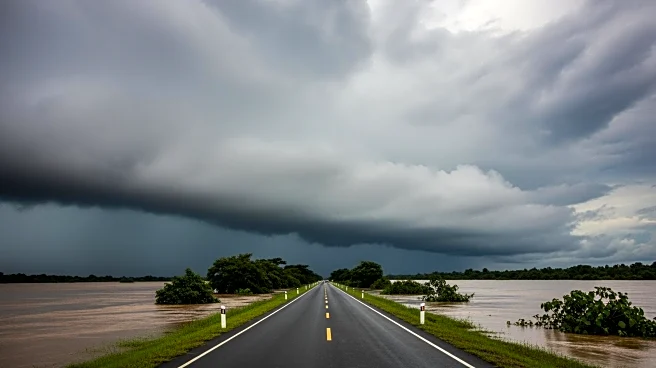
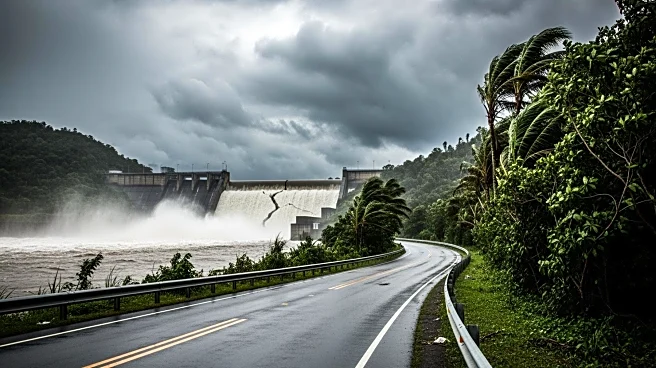
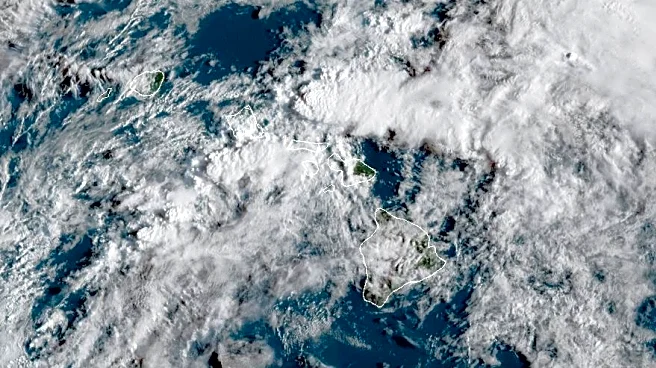
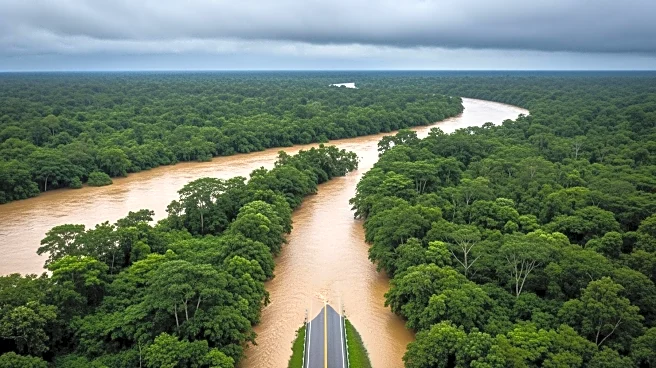
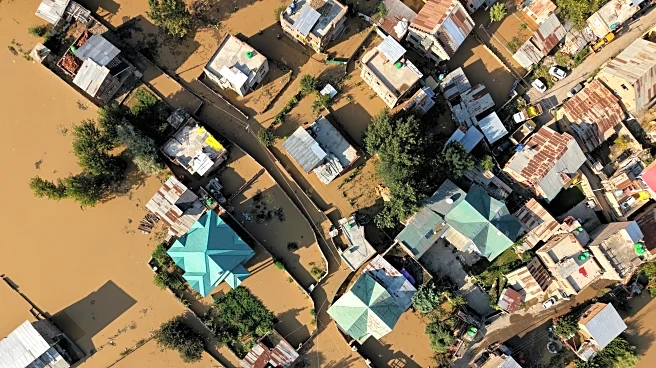
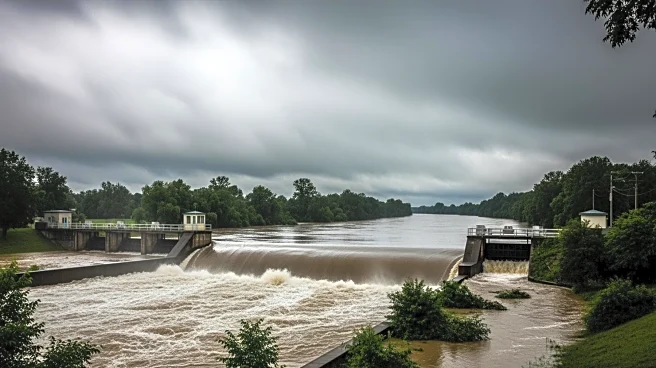
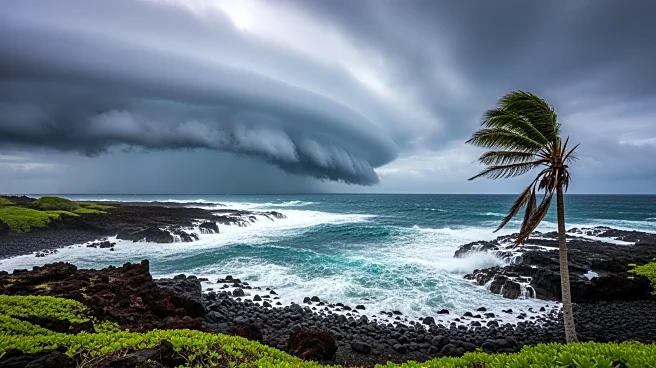
Hawaii has activated the National Guard in response to severe flooding caused by a powerful 'Kona low' storm, which Governor Josh Green described as the largest flood in 20 years. The storm has severely impacted Oahu’s North Shore and other areas, leading
to at least 233 rescues. The early damage estimates suggest losses could exceed $1 billion. Major General Stephen F. Logan reported that the Guard has deployed 195 soldiers and airmen, along with 21 high-water vehicle teams, to assist in evacuations and rescues. Black Hawk helicopters have been used to airlift 32 children and 15 adults from a spring break campsite. The flooding has compounded issues from a previous storm, causing landslides and rockfalls, and straining emergency resources across multiple counties.
Why It's Important?
The flooding in Hawaii highlights the increasing frequency and severity of extreme weather events, which can have significant economic and social impacts. The estimated damage exceeding $1 billion underscores the financial burden on state resources and the potential need for federal assistance. The activation of the National Guard and the scale of the response reflect the seriousness of the situation, as well as the challenges in managing natural disasters. The event also raises concerns about infrastructure resilience and the capacity of emergency services to respond to such large-scale incidents. The situation could prompt discussions on climate change adaptation and disaster preparedness strategies in Hawaii and other vulnerable regions.
What's Next?
The National Guard will continue to assist with evacuations and support local authorities as additional rain is expected. Governor Green has been in contact with the White House, and federal support is anticipated for damage assessments and recovery efforts once conditions improve. The focus will shift to clearing debris and assessing infrastructure damage as the weather stabilizes. The ongoing situation may lead to policy discussions on improving Hawaii's infrastructure resilience and emergency response capabilities to better handle future natural disasters.