



What's Happening?
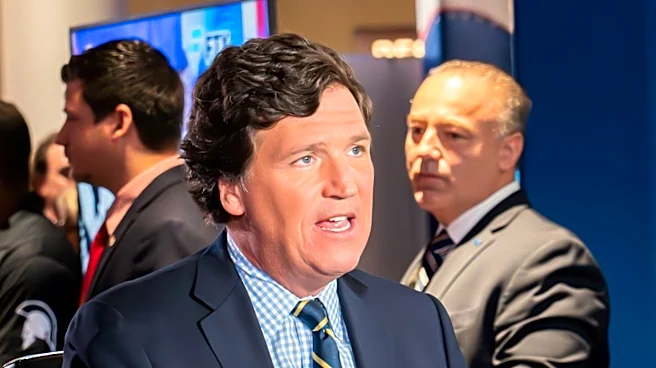
A rumor circulating on social media platforms, particularly Facebook, claims that George Soros is paying former Fox News host Tucker Carlson millions of dollars. The rumor suggests that this payment began after Carlson announced his decision to break
away from the Republican Party. The post, which garnered tens of thousands of likes, alleged that citizen journalist Nick Shirley uncovered a 'paper trail' showing Carlson's company receiving $3 million a month from Soros through an Antifa LLC to 'do nothing and remain silent.' It further claimed that Carlson, who was reportedly making close to a million as a 'positive voice for Trump,' was offered triple that amount by Soros to silence him. However, a fact check has determined that this claim is false. There is no evidence of Nick Shirley making such an allegation, nor have any official statements, announcements, or social media posts from Shirley supported this claim. The viral post originated from a parody account named 'America’s Last Line Of Defense,' which explicitly states in its bio, 'Nothing on this page is real.'
Why It's Important?
This incident highlights the pervasive issue of misinformation and disinformation on social media, particularly concerning prominent public figures and political narratives. The rapid spread of unverified claims, even from self-identified parody accounts, can significantly influence public perception and fuel partisan divisions. For individuals like Tucker Carlson, such rumors can damage credibility and lead to unwarranted scrutiny, regardless of their veracity. For George Soros, who is frequently a target of conspiracy theories, this type of false accusation reinforces negative stereotypes and contributes to a climate of distrust. The ease with which these claims gain traction underscores the challenges in distinguishing factual news from satirical or fabricated content, impacting the integrity of public discourse and potentially swaying opinions on political figures and movements. The reliance on social media as a primary news source for many makes the debunking of such rumors crucial for maintaining an informed populace.
What's Next?
While the immediate rumor has been debunked, similar false claims are likely to continue circulating, especially given the highly polarized political landscape in the U.S. Social media platforms will face ongoing pressure to implement more effective measures to combat the spread of misinformation, though the effectiveness of such measures remains a subject of debate. Individuals will need to remain vigilant and critically evaluate information encountered online, particularly when it involves sensational claims about political figures or events. The incident may also prompt further discussions about media literacy and the responsibility of users to verify information before sharing it. For figures like Carlson and Soros, they will likely continue to be subjects of both legitimate news and unsubstantiated rumors, necessitating ongoing efforts to clarify facts and address false narratives.
Beyond the Headlines
The spread of this particular rumor points to a broader phenomenon where political figures and wealthy philanthropists, especially those with strong ideological stances, become targets of elaborate conspiracy theories. George Soros, in particular, has been a recurring figure in various right-leaning conspiracy narratives, often portrayed as a puppet master funding various political and social movements. This pattern of targeting individuals with significant financial influence reflects a deep-seated distrust in powerful elites and a tendency to attribute complex societal issues to the actions of a few powerful individuals. The use of parody accounts to disseminate such claims, even with disclaimers, blurs the lines between satire and deliberate deception, making it harder for the average consumer of information to discern truth from fiction. This erosion of trust in information sources has profound implications for democratic processes and the ability of citizens to make informed decisions.