








What's Happening?
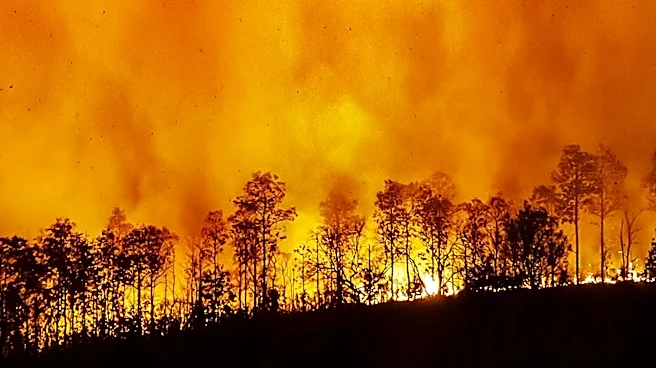
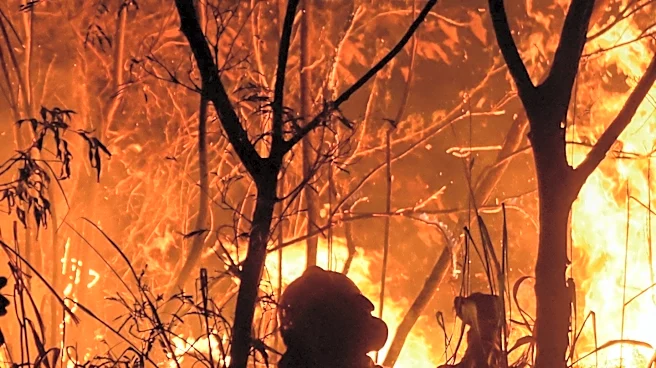
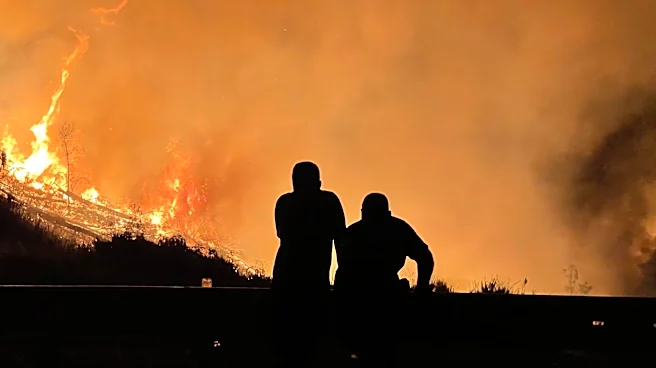
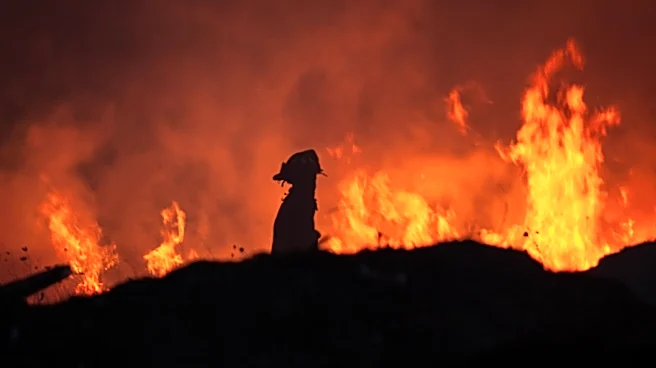
The Trump administration has reinstated a controversial policy aimed at quickly extinguishing all wildfires, following the deaths of three U.S. government firefighters in Colorado. The policy, which has been criticized for its ineffectiveness, was revived
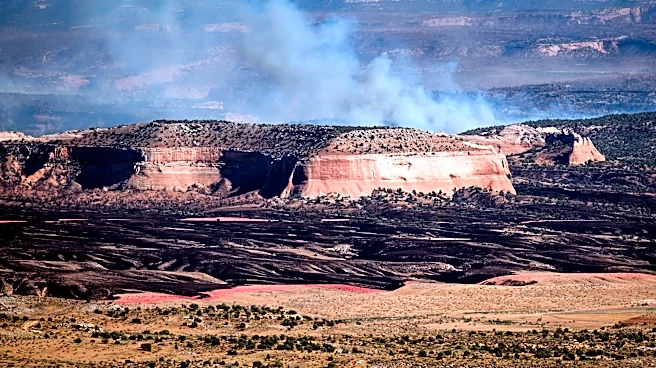
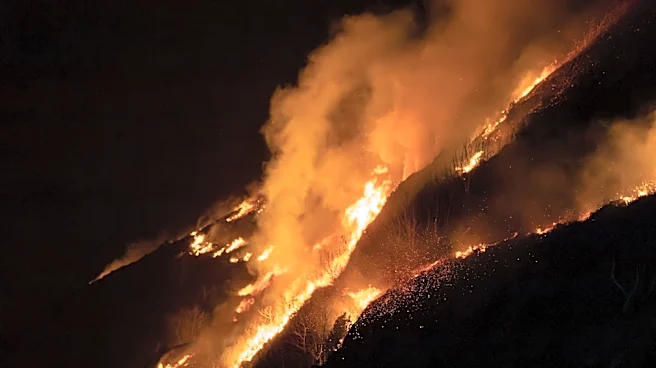
alongside the creation of a new federal fire service. This service was established without congressional approval, consolidating personnel from four Interior Department agencies. The recent fatalities occurred when a helicopter-based crew was overrun by flames while combating a wildfire near the Utah border. The administration's 'full suppression' approach marks a departure from previous strategies that allowed some fires to burn naturally to reduce fuel loads. Critics argue that this policy benefits private fire aviation companies and fails to address the root causes of catastrophic wildfires, such as climate change and dense forest growth.
Why It's Important?
The revival of the 'full suppression' policy has significant implications for wildfire management and public safety. By prioritizing immediate extinguishment, the policy may inadvertently increase the risk of larger, more destructive fires in the future due to accumulated fuel loads. This approach also raises concerns about the safety of firefighters, as evidenced by the recent fatalities. The policy shift could benefit private companies involved in aerial firefighting, potentially leading to increased government spending on fire suppression contracts. Additionally, the lack of congressional oversight in establishing the new fire service raises questions about accountability and the effectiveness of federal wildfire management strategies.
What's Next?
The Trump administration's policy is likely to face scrutiny from lawmakers, environmental groups, and firefighting organizations. There may be calls for a reevaluation of the policy to incorporate more sustainable and effective wildfire management practices. The administration's approach could also prompt discussions about the role of private companies in public safety operations and the need for comprehensive strategies to address the underlying causes of wildfires, such as climate change and land management practices.
Beyond the Headlines
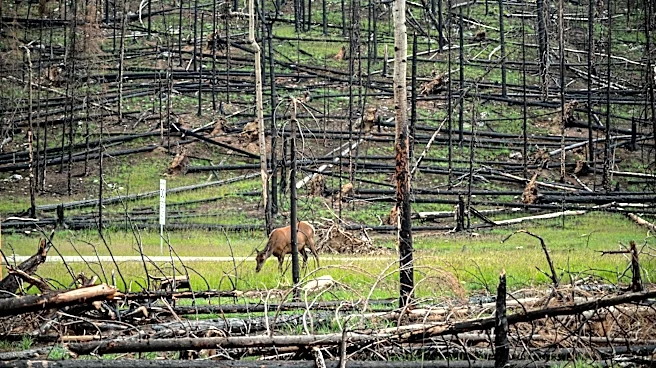
The policy's revival highlights broader issues in federal land management and the influence of private interests in public policy. The consolidation of fire services without congressional approval may set a precedent for future administrative actions, potentially bypassing legislative oversight. The focus on immediate suppression could also impact ecological systems that rely on natural fire cycles, leading to long-term environmental consequences.